US Hits Iran's Military Sites In Fresh Strikes; IRGC Attacks Bases In Kuwait, Bahrain
Context mode is active. Hover over any highlighted term to see its definition. Click a nested term to go deeper.
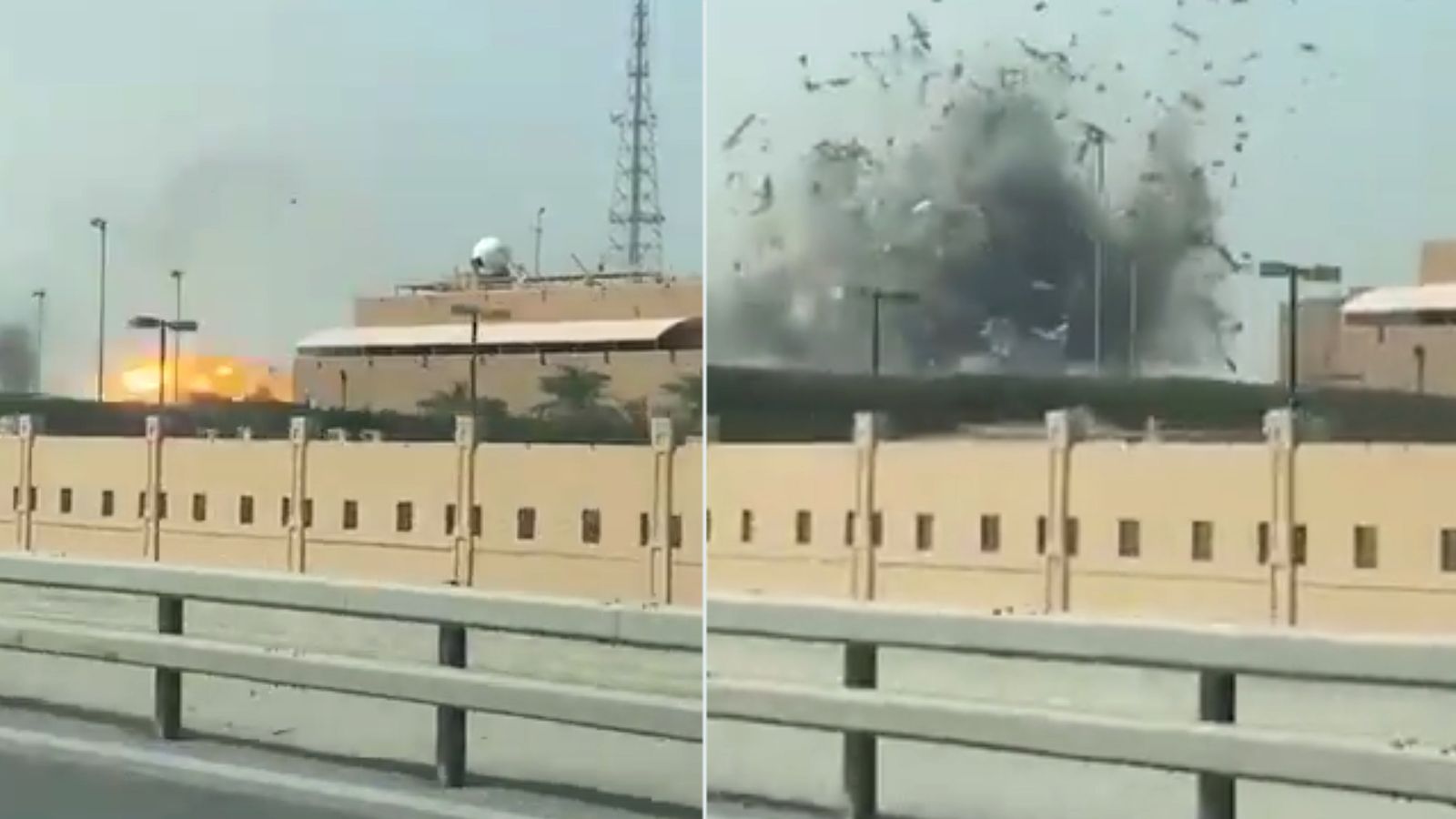
A fragile interim peace agreement between the United States and Iran has shattered, plunging the Middle East into renewed conflict after a fresh round of tit-for-tat military strikes. The US launched attacks on Iranian military sites following an Iranian drone strike on a Panama-flagged oil tanker in the critical Strait of Hormuz, prompting swift retaliation from Iran Islamic Revolutionary Guard Corps (IRGC) against US military facilities in Kuwait and Bahrain. This rapid escalation, just two weeks after signing a highly anticipated ceasefire deal, signals a dangerous return to hostilities, threatening global energy supplies and regional stability. The renewed violence directly violates the Islamabad Memorandum of Understanding (MoU), signed on June 17, 2026, which aimed to end the prolonged 2026 Iran war and ensure safe maritime passage through the Strait of Hormuz, a vital chokepoint for global oil trade. President Donald Trump had warned Tehran just hours before the latest strikes, stating that if the US was 'forced to militarily complete the job,' the 'Islamic Republic of Iran will no longer exist!' Iran, through its IRGC, accused Washington of violating the ceasefire and asserted its intent to control traffic in the Strait of Hormuz, threatening stronger action against 'violating vessels.' As both sides accuse each other of breaching the peace agreement, the immediate outlook for de-escalation appears grim. The targeting of US bases in allied nations like Kuwait and Bahrain raises the stakes significantly, potentially drawing more regional actors into the conflict. Observers will be closely watching for any further military movements or diplomatic efforts to salvage the now-strained Islamabad MoU, as the stability of global energy markets hangs in the balance. The full ramifications of this latest round of strikes for an already volatile region are yet to unfold, but the return to open conflict makes achieving a lasting peace significantly harder.