US Hospitals Grapple with Surge of Uninsured Patients After ACA Subsidy Cuts
Context mode is active. Hover over any highlighted term to see its definition. Click a nested term to go deeper.
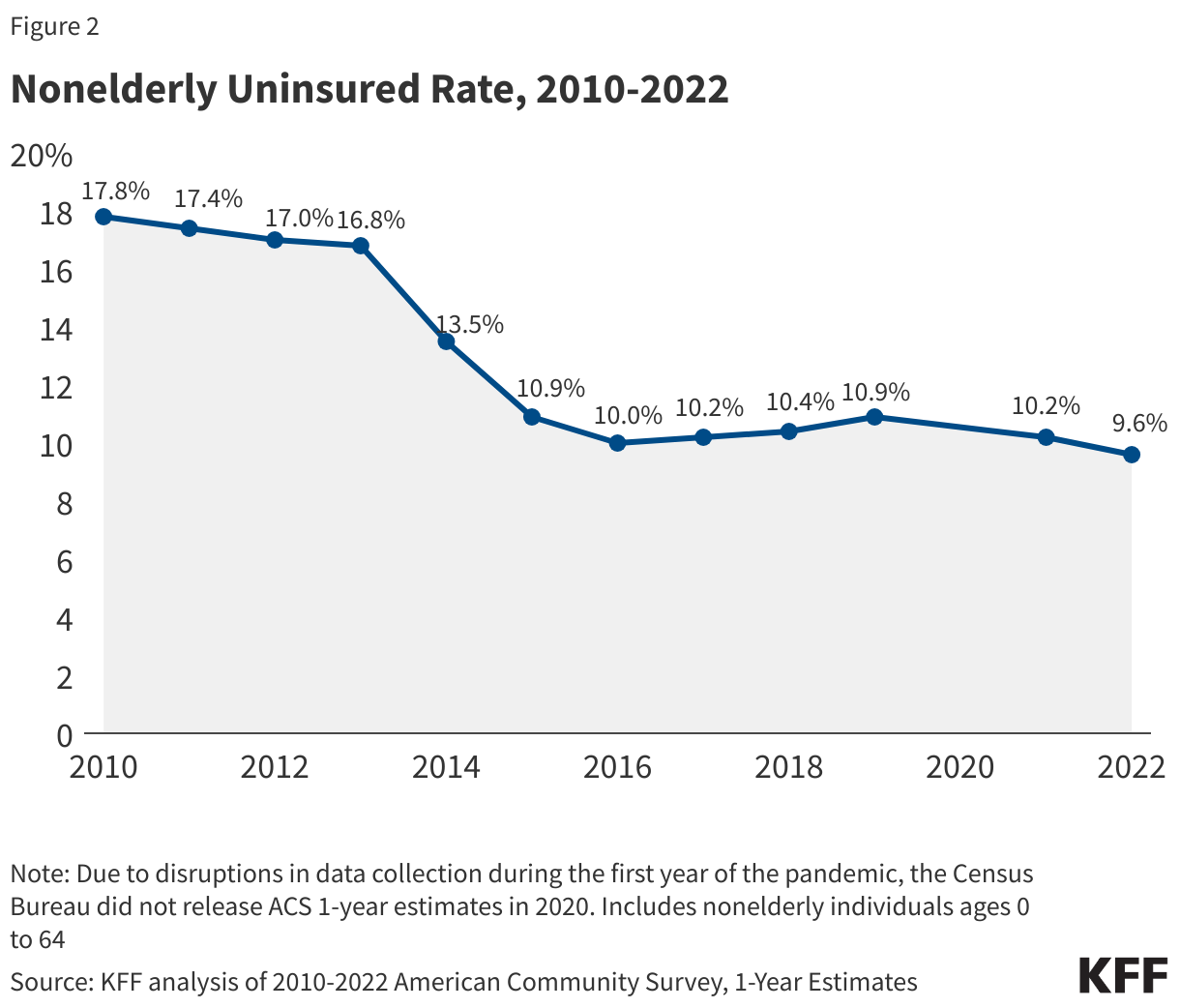
Hospitals across the United States are seeing a massive and unexpected surge in uninsured patients seeking emergency medical care, just months after Congressional Republicans allowed enhanced subsidies for Affordable Care Act plans to expire. This spike is directly impacting hospital finances, leading to hundreds of millions in lost revenue and increased uncompensated care, and leaving many patients struggling to pay their medical bills. The enhanced subsidies, first introduced under the American Rescue Plan Act (ARPA) in 2021 and extended by the Inflation Reduction Act (IRA) through 2025, significantly lowered health insurance premiums for millions. Their expiration on December 31, 2025, removed financial assistance for many, including middle-income households, causing average premiums to double or more for some and pushing approximately 3 million people out of the Health Insurance Marketplace. Despite calls from Democrats and some moderate Republicans for an extension, legislative efforts failed, cementing higher healthcare costs for a vast segment of the American population. As the consequences ripple through the healthcare system, executives from both nonprofit hospitals and for-profit operators like HCA Healthcare and Universal Health Services (UHS) are sounding alarms over mounting financial strain and revised profit forecasts for 2026. While recent surveys show strong bipartisan public support for reinstating the enhanced subsidies, the legislative path forward remains unclear, with ongoing debates in Congress, including the House Ways and Means Committee, shifting focus to broader hospital costs and pricing practices.