US Immigration Takes Hard Turn: Trump Administration Halts Visa Appointments Globally
Context mode is active. Hover over any highlighted term to see its definition. Click a nested term to go deeper.
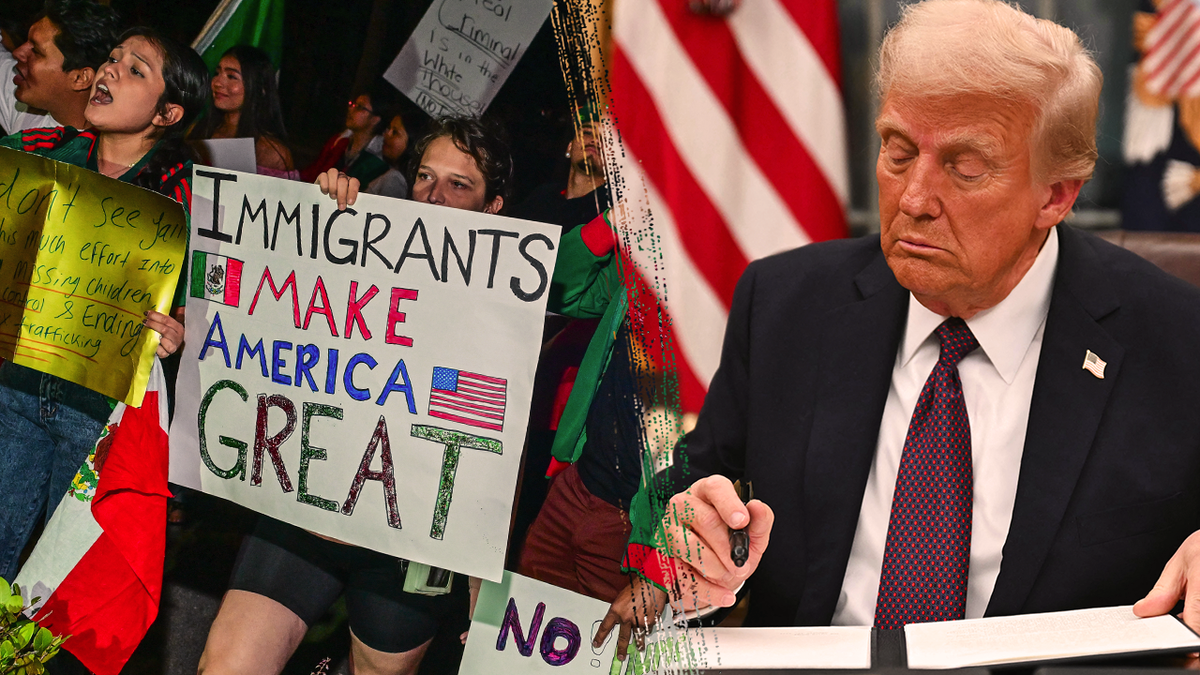
The Trump administration has intensified its immigration crackdown, halting US visa appointments worldwide and moving to revoke the visas of hundreds of thousands who sought asylum after entering on temporary visitor passes. This sweeping action, unfolding in late August 2026, marks a dramatic expansion of efforts to curb both legal and illegal immigration, affecting individuals globally hoping to work, study, or reunite with family in the United States. The Department of State is actively coordinating with the Department of Homeland Security on these measures, which signal a new phase of restrictive immigration policy. This latest move follows a series of executive orders and policy shifts by the Trump administration since early 2025, which have already seen refugee admissions plummet and restrictions on various visa categories. The administration, with White House Deputy Chief of Staff Stephen Miller as a key architect, has justified these actions as necessary for national security and to prevent reliance on public welfare programs. Economic analysts from the National Foundation for American Policy project these policies could slash legal immigration by up to 50% by the end of President Trump's term, potentially costing the U.S. economy trillions of dollars and millions of worker-years. Beyond the global pause, an earlier January 2026 directive already froze immigrant visa processing from 75 countries, a clear sign of escalating barriers. Looking ahead, the immediate fallout will involve massive backlogs and uncertainty for visa applicants and current visa holders globally. Legal challenges are already being mounted against these stringent measures, especially concerning the revocation of B1/B2 visas for asylum seekers. The administration's focus on 'visa abuse' and fixed admission caps for student and exchange visas (F, J, and I visas), implemented in July 2026, suggests that these broad restrictions are here to stay, fundamentally reshaping who can enter and remain in the United States for the foreseeable future.