US-Iran Conflict Deepens: 11th Night of Strikes, Oil Soars, Global Shipping in Peril
Context mode is active. Hover over any highlighted term to see its definition. Click a nested term to go deeper.
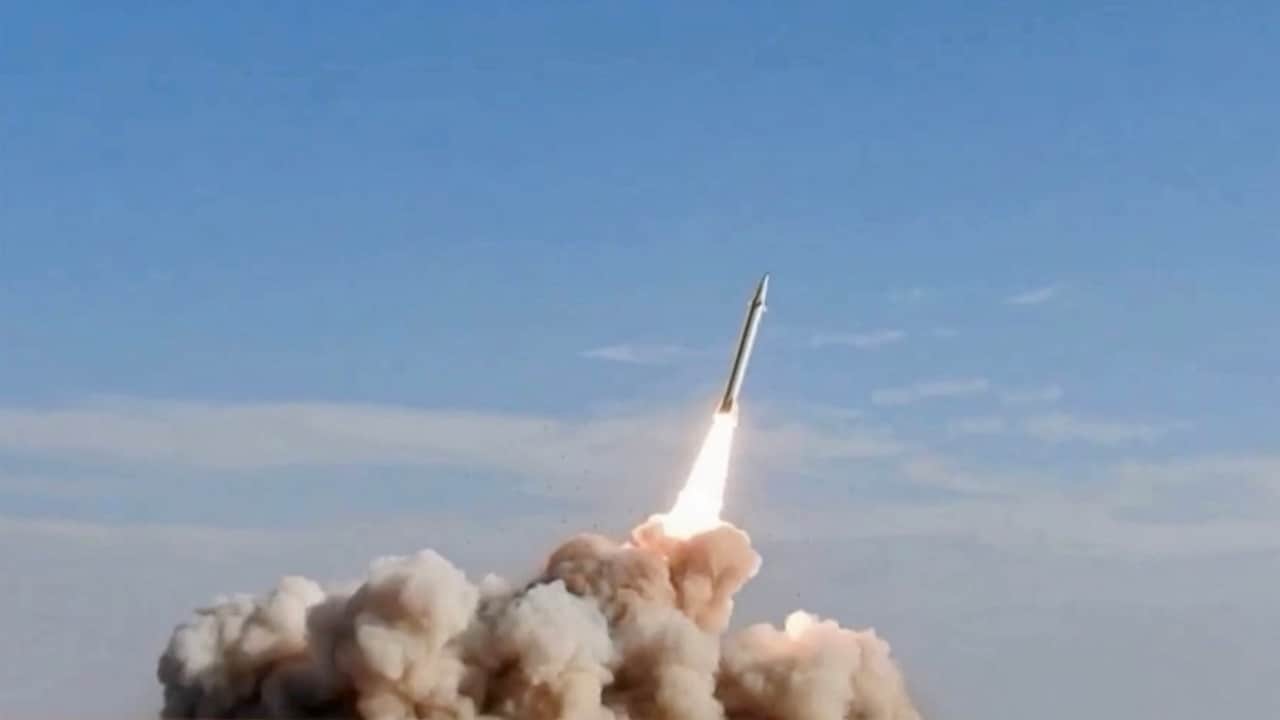
The United States has launched its eleventh straight night of military strikes against targets in Iran, escalating a dangerous standoff that has sent global oil prices soaring, with Brent crude pushing above $91 a barrel. The United Kingdom has also given its approval for the US to use British bases for some of these 'defensive' airstrikes, showing a united front as tensions in the Middle East reach critical levels. This ongoing exchange of fire follows the collapse of an earlier ceasefire, turning the battle into a fight for control over vital shipping lanes. Iran has been retaliating with its own drone and missile attacks on US military facilities in places like Kuwait and Jordan, while its allies, the Houthi rebels in Yemen, are now threatening to target vessels carrying Saudi oil through the Bab el-Mandeb Strait and the Red Sea, adding another layer of risk to global energy supplies already disrupted in the Strait of Hormuz. The US military's Central Command (CENTCOM) says its strikes aim to reduce Iran ability to threaten commercial shipping, which has seen a sharp decline in traffic through the Strait of Hormuz. With diplomatic talks largely stalled and President Donald Trump warning of intensifying strikes and even hinting at targeting Iran nuclear sites, the path forward looks uncertain. The rising cost of oil is already threatening to push up inflation again and could seriously slow down global economic growth, impacting countries worldwide. Experts are worried that a prolonged conflict could deepen food insecurity and lead to higher interest rates, making this a situation everyone needs to watch closely.