US-Iran Conflict Enters Diplomatic Waters as Strikes Pause, Oil Prices Dive
Context mode is active. Hover over any highlighted term to see its definition. Click a nested term to go deeper.
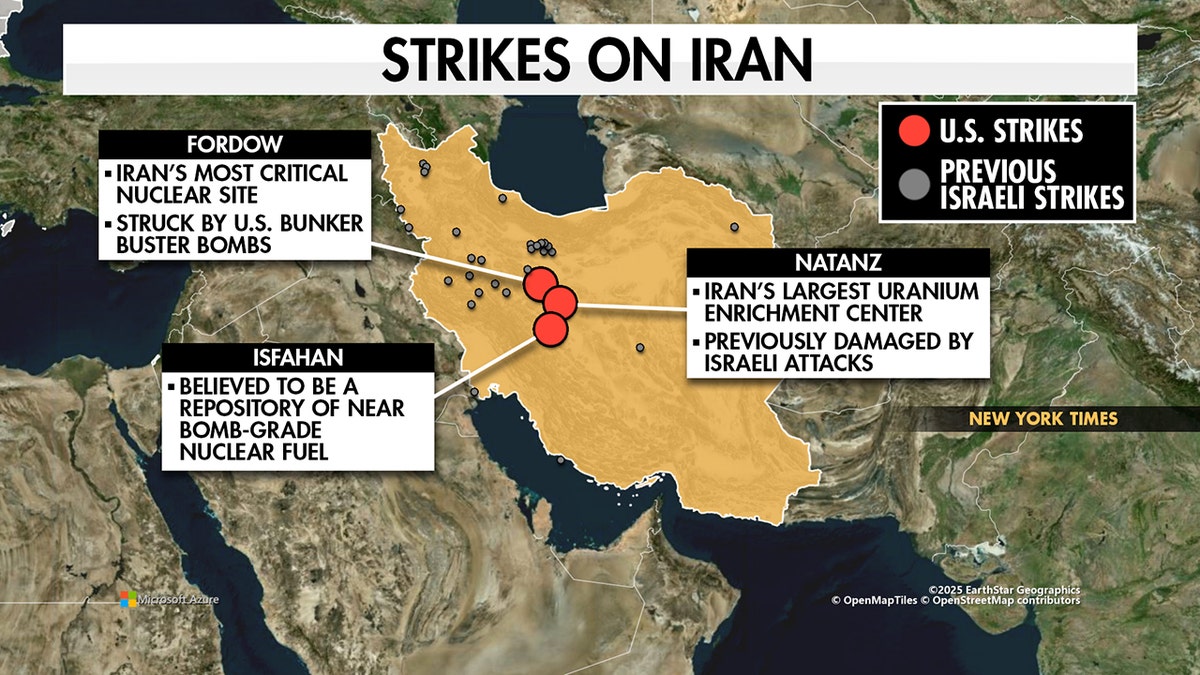
After two intense weeks of escalating military action, the US and Iran have hit the brakes on their bombing campaigns, ushering in a fragile diplomatic phase. This unexpected pause in hostilities has sent global oil prices, including Brent Crude and West Texas Intermediate (WTI), plummeting by more than 5 percent, offering a much-needed breather for the jittery Gulf shipping and oil industries. While the US cites tactical reasons like dwindling targets and weapon stockpiles for its halt, Iran maintains its 'attack for attack' stance, signaling a potential, albeit cautious, step towards de-escalation. The sudden calm follows 13 nights of relentless US airstrikes on Iran, met with reciprocal retaliatory strikes from Tehran on countries hosting US military bases. At the heart of this volatile situation lies the Strait of Hormuz, a critical chokepoint through which a quarter of the world's seaborne oil trade passes. Despite a Memorandum of Understanding (MOU) signed in June 2026 meant to establish a ceasefire and reopen the Strait, Iran has continued to assert control over the waterway, reportedly turning back vessels not using its approved routes. This recent de-escalation, however, has ignited hopes that crucial shipping lanes might see renewed, safer passage, easing earlier disruptions that had stalled vessels and significantly driven up oil prices. Looking ahead, the diplomatic path remains thorny. While US Ambassador to the UN Mike Waltz suggests President Donald Trump is 'giving talks some space,' Iran's Foreign Ministry spokesman, Esmaeil Baqaei, has clarified that Tehran is not in direct talks with Washington, but is engaged in ongoing Oman Talks focused on maritime traffic in the Strait. The cautious sentiment from shippers, with fewer than ten cargo vessels transiting the Strait over the weekend despite the pause, underscores the deep-seated mistrust. All eyes are now on these indirect negotiations, hoping they can pave the way for a more stable resolution rather than another cycle of conflict, which would inevitably send global energy markets into another tailspin.