US-Iran Deal Crumbles: Hormuz Standoff Intensifies as Peace Deadline Passes
Context mode is active. Hover over any highlighted term to see its definition. Click a nested term to go deeper.
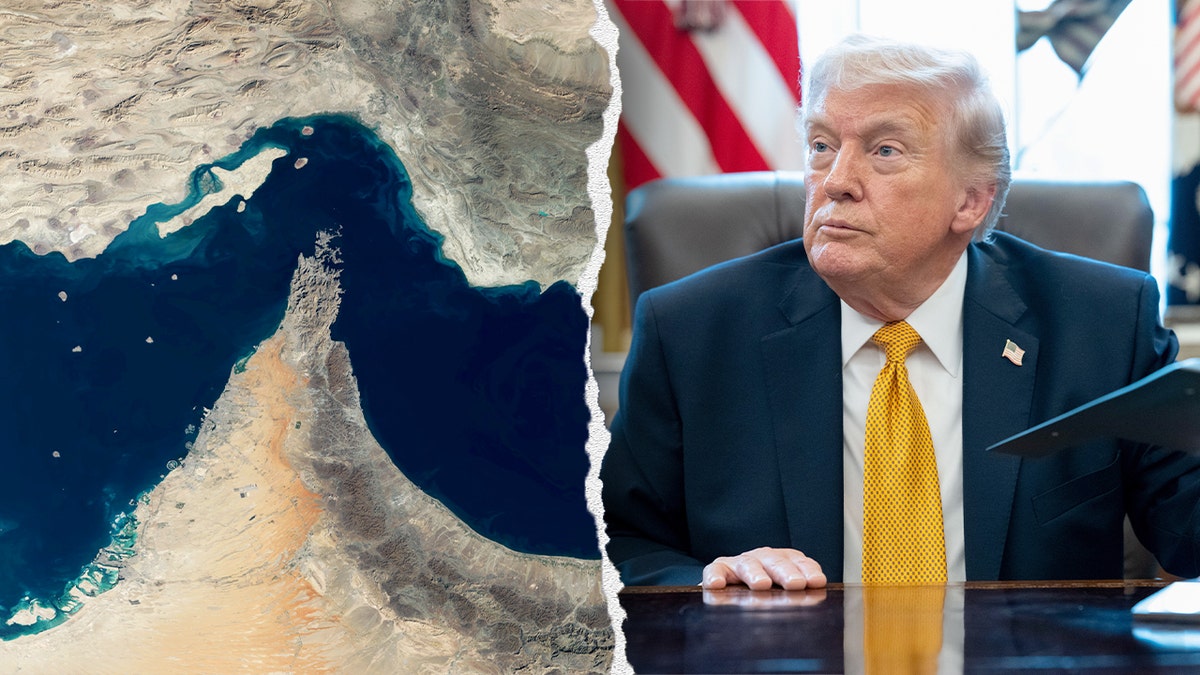
The 60-day deadline for the US-Iran Memorandum of Understanding (MoU), inked in June to calm escalating tensions and reopen the vital Strait of Hormuz, officially expired today with no sign of a breakthrough. Instead of a lasting peace, the expiration marks a deepening stalemate, with both nations trading blame for violating the interim agreement and the crucial waterway remaining largely blocked for commercial shipping. This comes after an initial period of hope for de-escalation following months of intense conflict. The MoU, signed after the February 2026 US-Israeli strikes on Iran and subsequent Iranian retaliation, was meant to pave the way for a broader peace deal and nuclear talks. However, the truce unraveled quickly, with Iran firing on vessels in the Strait and the US reimposing its naval blockade and sanctions, turning the Strait of Hormuz into the core sticking point. Global energy markets remain on edge as oil and gas flows are heavily disrupted, with President Trump's administration escalating economic pressure while Iran asserts its control over the maritime chokepoint. Regional players like Saudi Arabia and Kuwait are now actively seeking alternative oil routes to bypass the volatile area. Looking ahead, Washington has signaled further 'unprecedented' economic measures, while Iran continues to work on a separate agreement with Oman to manage traffic through the Strait, a move not recognized by the US. With Iran's hardline leadership reportedly using the ceasefire period to bolster its military and missile capabilities, and growing domestic calls for nuclear deterrence, the expiration of the MoU sets the stage for a prolonged period of high tension. The world watches to see if either side will blink first in this dangerous geopolitical chess match.