US-Iran Escalation Clouds Fed Rate Path, Sending Gold's Safe-Haven Status into Focus
Context mode is active. Hover over any highlighted term to see its definition. Click a nested term to go deeper.
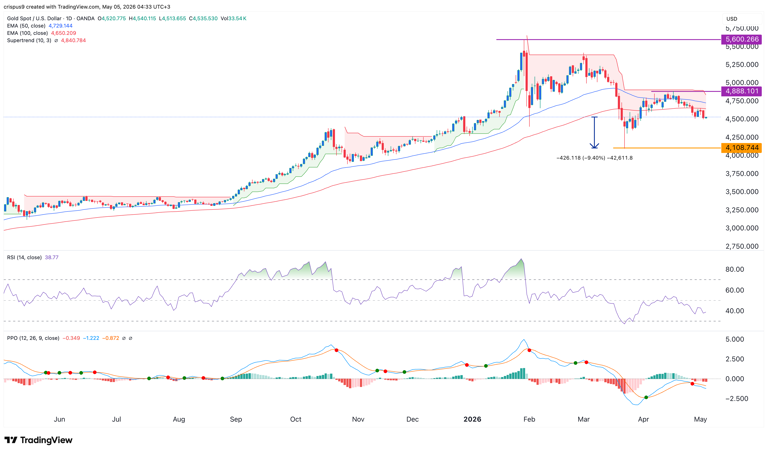
Fresh US airstrikes against Iran, launched on July 7, 2026, and immediate Iranian retaliation have shattered a fragile ceasefire, immediately reigniting fears of a wider Middle East conflict and driving gold prices into a narrow, watchful range. These renewed hostilities, sparked by attacks on commercial vessels in the crucial Strait of Hormuz, are throwing a major wrench into global economic forecasts and challenging the Federal Reserve carefully laid plans for interest rates. The escalating tensions have already sent energy prices surging, with US energy inflation hitting a three-year high of 23.5% in May 2026, significantly pushing up overall US inflation (as measured by the PCE price index) to 4.1%. This inflationary pressure directly confronts the Federal Reserve newly hawkish stance under Chairman Kevin Warsh, who has shifted market expectations towards potential interest rate hikes as early as September to curb rising prices, moving away from earlier predictions of cuts. The 'dot plot' from the June Federal Open Market Committee meeting already signaled a higher rate projection for late 2026, indicating a 'higher-for-longer' reality for borrowing costs. All eyes are now on the upcoming Federal Open Market Committee meeting later this month, scheduled for July 28-29, where policymakers will have to weigh aggressive inflation against the heightened geopolitical instability. With President Trump declaring the ceasefire 'over' and threatening further strikes, the potential for prolonged disruption to global energy supplies remains high, keeping gold safe-haven appeal firmly in play. Traders will be closely watching for any hints on how the Fed plans to navigate this complex and rapidly evolving economic and geopolitical landscape.