US-Iran Peace Deal Ignites Fiery Rift Between Trump and Netanyahu
Context mode is active. Hover over any highlighted term to see its definition. Click a nested term to go deeper.
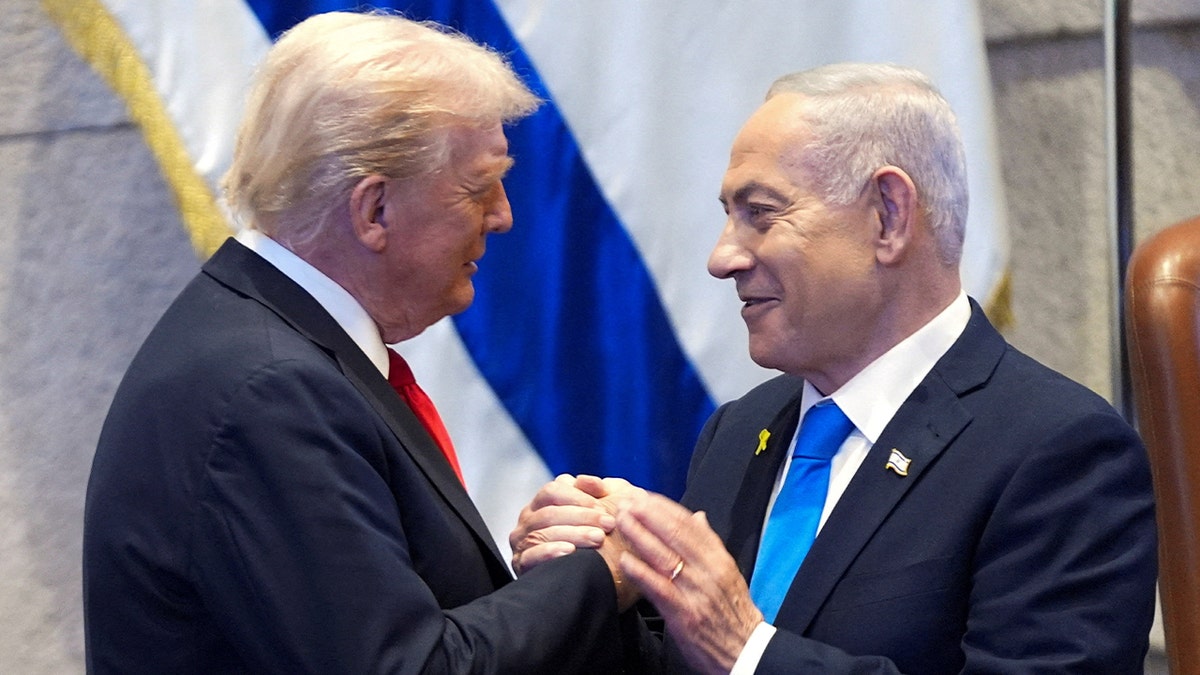
The newly signed Memorandum of Understanding (MoU) between the United States and Iran has sparked a dramatic and very public falling out between President Donald Trump and Israeli Prime Minister Benjamin Netanyahu. Signed on June 17, this 'Islamabad Memorandum' aims to halt the costly 2026 Iran War and reopen the crucial Strait of Hormuz, but it has left Israel feeling profoundly betrayed, igniting a fierce debate over regional security and the future of the long-standing US-Israel alliance. Netanyahu, who reportedly pushed Trump for a joint war to dismantle Iran regime and nuclear program, views the MoU as a dangerous capitulation that leaves Tehran's hard-liners in power and its ballistic missile capabilities untouched. The deal's inclusion of a ceasefire on the Lebanese front, meant to shield Iran proxy Hezbollah, particularly infuriates Israel, which continues to face threats from the militant group. Trump, meanwhile, is reportedly exasperated by Netanyahu's continued military actions in Lebanon, seeing them as jeopardizing the nascent peace efforts and his own agenda to end 'forever wars' and stabilize global oil prices. The dispute has led to explosive phone calls and public rebukes from Trump and Vice President JD Vance towards Israeli officials. As Iranian and US envoys meet today in Doha to discuss the MoU implementation, Tehran remains firm against direct talks on its nuclear program. This standoff, coupled with Israel defense minister signaling preparations for independent strikes if Iran launches new missile attacks, means the region remains on edge. The fragile ceasefire and the deepening chasm between Washington and Jerusalem will likely define Middle East geopolitics for months to come.