US lifts blockade on Iranian ports, Vance says more than a dozen ships passed
Context mode is active. Hover over any highlighted term to see its definition. Click a nested term to go deeper.
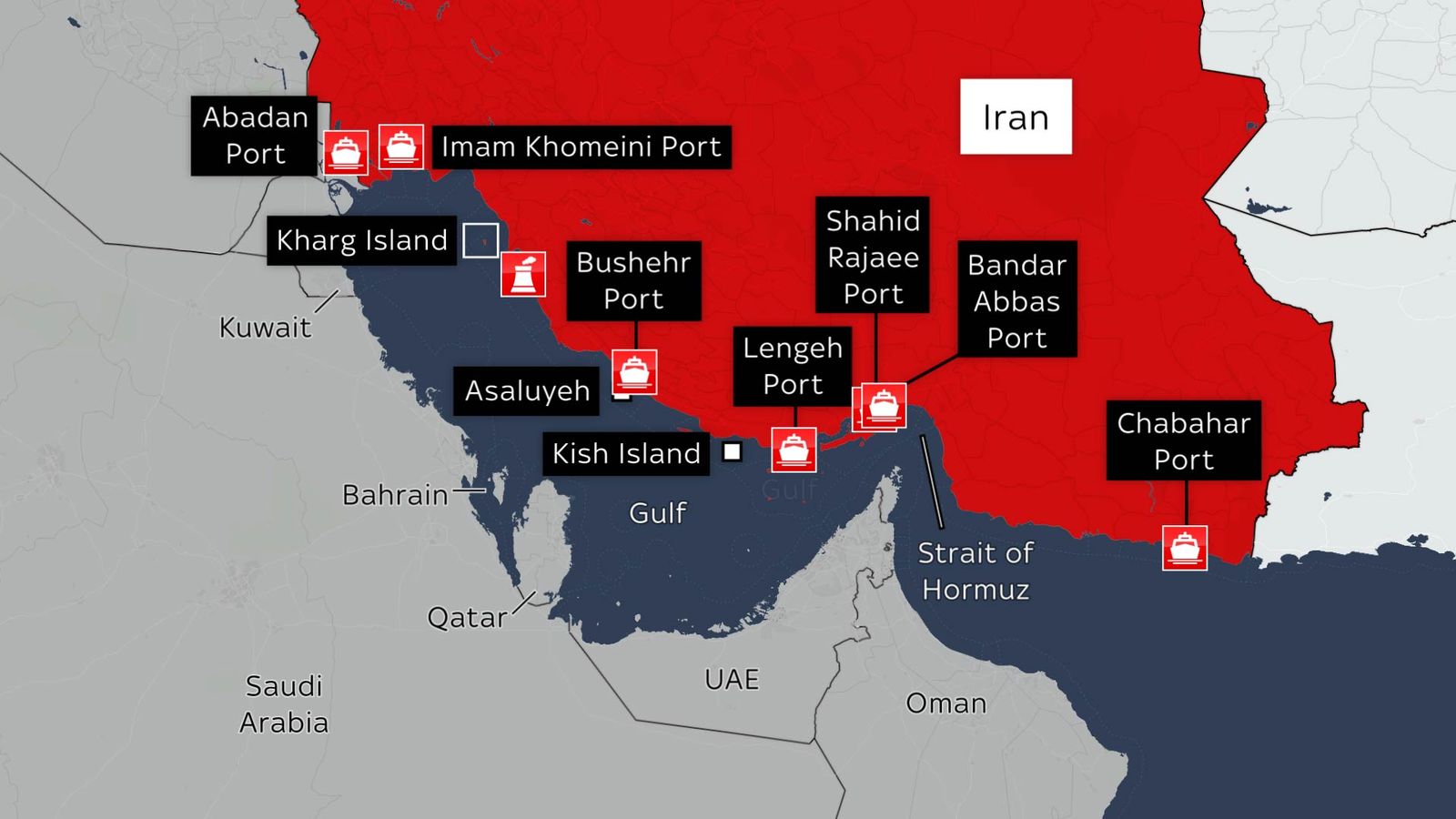
The United States has abruptly de-escalated tensions with Iran, officially lifting its naval blockade on Iranian ports and facilitating the immediate passage of over a dozen ships through the critical Strait of Hormuz. This pivotal move, announced by Vice President JD Vance at a White House press briefing on June 18, 2026, marks a rapid return of oil flow, signaling the concrete implementation of a newly inked interim peace agreement between Washington and Tehran. The breakthrough comes after months of a US-imposed naval blockade, which choked Iranian oil exports to a six-year low and severely disrupted global energy markets following the escalation of hostilities in February 2026. The interim Memorandum of Understanding, signed by President Donald Trump and Iranian President Masoud Pezeshkian on June 17, 2026, aims for a permanent cessation of military operations, waives US-backed oil sanctions, and initiates a 60-day window for further nuclear program negotiations. The immediate result has been a visible uptick in tanker traffic, with over 12.5 million barrels of oil moving through the Strait of Hormuz on Wednesday alone, triggering a dip in global crude oil prices. While the US Central Command confirmed the lifting of the blockade, it stressed that US Navy vessels will remain in the region to ensure compliance, underscoring the delicate nature of the accord. Further talks on Iran nuclear ambitions, originally slated to be led by Vice President Vance in Switzerland, have been unexpectedly delayed, with reports citing difficult logistics and Iran concerns over Israel's ongoing military campaign in Lebanon. This pause in diplomatic momentum, coupled with analyses from firms like Goldman Sachs suggesting a tempered recovery to roughly 70% of pre-war Strait of Hormuz oil flows due to diversified routes, indicates that a full and stable normalization of regional trade and US-Iran relations remains a complex, evolving challenge.