US Measles Cases Hit 35-Year High, Threatening Eradication Status
Context mode is active. Hover over any highlighted term to see its definition. Click a nested term to go deeper.
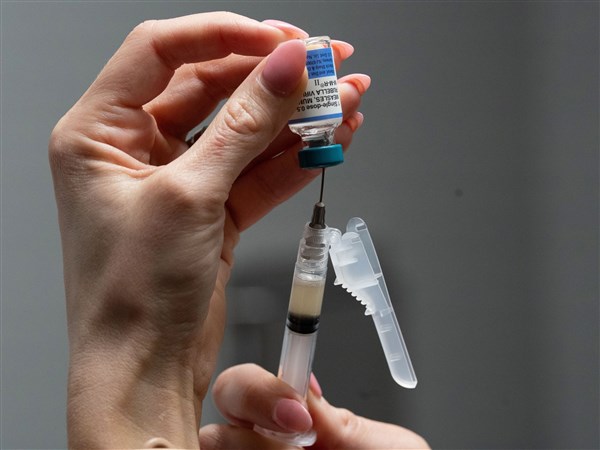
The United States is grappling with a concerning measles resurgence, hitting a 35-year high with over 2,300 confirmed cases recorded halfway through 2026 – eclipsing last year's already grim tally and marking the worst outbreak year since 1991. This alarming climb is not just about numbers; it's a stark reminder that a disease once declared eliminated is now making a dangerous comeback, primarily fueled by declining vaccination rates across the country. At the heart of this crisis are 'pockets of susceptibility' – communities where vaccination coverage rates for the MMR vaccine have dipped significantly below the 95% needed for effective herd immunity. Major outbreak in states like South Carolina, Utah, and Arizona have seen hundreds fall ill, with a staggering 93% of 2026's cases occurring in individuals who are unvaccinated or have an unknown vaccination status. This sustained transmission has put the nation's measles elimination status, a hard-won achievement from 2000, under serious threat, following the broader Region of the Americas losing its own status in late 2025. What happens next is critical. The Centers for Disease Control and Prevention (CDC) continues to support state and local public health efforts, but stretched resources and persistent vaccine hesitancy pose significant hurdles to controlling these outbreak. International health officials from the Pan American Health Organization (PAHO) are set to review the US's measles elimination status in November, a decision that could officially reclassify measles as an endemic disease in the country. The push for robust vaccination campaigns and clear public health messaging is more urgent than ever to protect vulnerable populations and prevent this once-conquered disease from becoming a permanent fixture.