US Pentagon Explores Tactical Nuclear Options Amidst Rising Russia-China Tensions
Context mode is active. Hover over any highlighted term to see its definition. Click a nested term to go deeper.
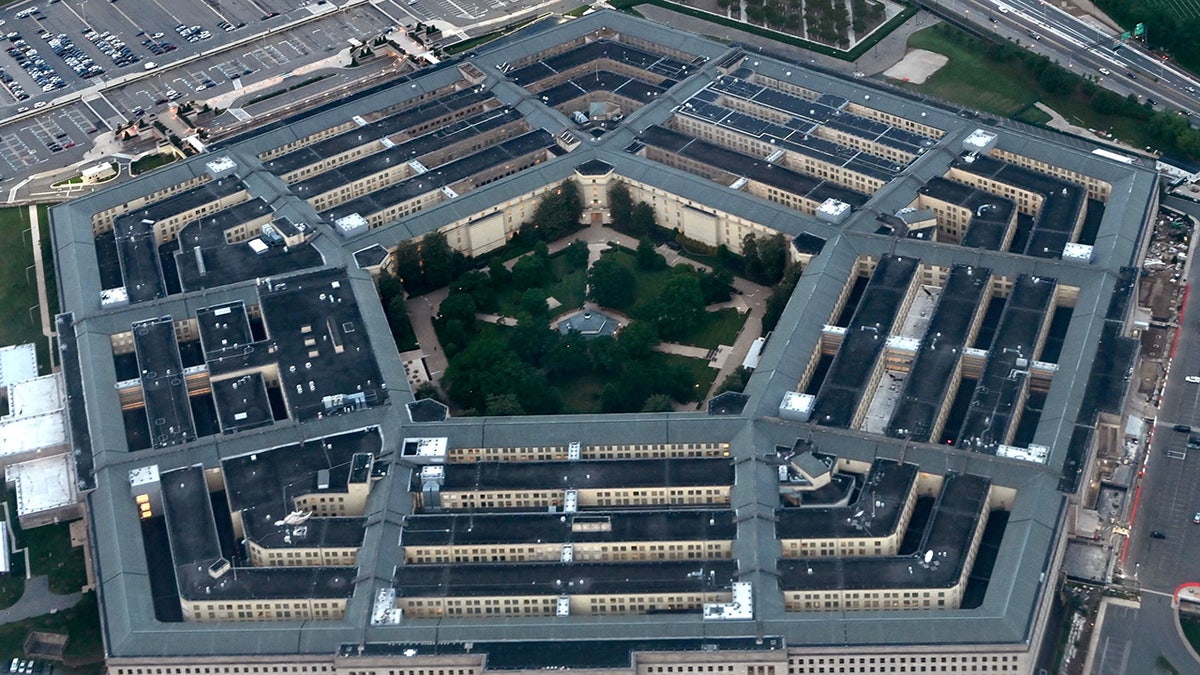
The US Department of Defense is currently drafting a major overhaul of its nuclear strategy, shifting focus towards deploying shorter-range 'tactical nuclear weapons' for potential regional conflicts with Russia or China. This significant policy rethink aims to give the US President more flexible 'nuclear options' beyond the traditional 'all-or-nothing' approach of long-range strategic weapons, especially relevant in an era of heightened global tensions. The review is being spearheaded by Elbridge Colby, the Pentagon Under Secretary of Defense for Policy, indicating a serious move to adapt to evolving geopolitical realities. This strategic pivot comes at a critical juncture, particularly after the last remaining US-Russia strategic arms control treaty, New START, officially lapsed in February 2026, creating a vacuum in nuclear arms regulation. Both Russia and China have been hardening their own nuclear postures, with Russia updating its nuclear doctrine in November 2024 and China rapidly expanding its arsenal, even while maintaining a 'no-first-use' pledge. Critics, however, are raising concerns that emphasizing tactical nuclear weapons might lower the threshold for their actual use, increasing the risk of nuclear escalation in conventional wars and potentially making a full nuclear exchange more likely. As the Pentagon finalizes this proposed strategy, possibly to be discussed by Colby at US Strategic Command, the world will be watching closely for its implications on global stability. The review also aligns with previous discussions during the Trump administration regarding a more flexible nuclear force, suggesting this shift could provide expanded options for a future president. The coming months will reveal if this new approach truly strengthens deterrence or inadvertently increases the dangers of nuclear conflict.