US Reimposes Iran Blockade Amid Escalating Gulf Attacks; Trump Demands Deal
Context mode is active. Hover over any highlighted term to see its definition. Click a nested term to go deeper.
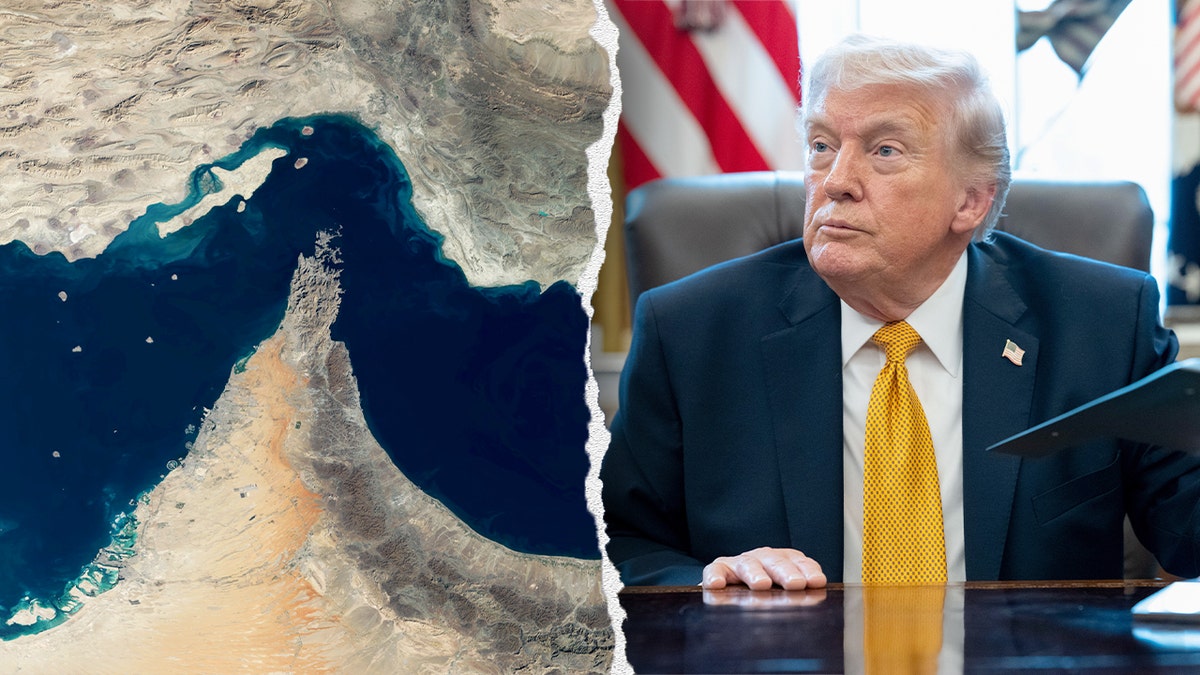
The United States has reimposed a full naval blockade on all Iranian ports, threatening to escalate military strikes if Tehran doesn't return to the negotiating table soon. This aggressive move follows alleged overnight attacks by Iran Islamic Revolutionary Guard Corps (IRGC) on military sites in Jordan, Kuwait, and Bahrain, further unraveling an already fragile ceasefire. President Donald Trump, while stating US negotiators had recently spoken with Tehran, issued a stark warning: 'You better make a deal' or face severe consequences. This dramatic escalation comes as the 60-day interim ceasefire deal, intended to allow negotiations on Iran nuclear program and ease tensions, has essentially collapsed. The core dispute remains control over the vital Strait of Hormuz, a narrow waterway through which a significant portion of the world's crude oil passes. Iran had reportedly shut the Strait last week, a claim the US disputes while maintaining a strong military presence of over 20 warships and hundreds of aircraft in the Arabian Sea. The IRGC claimed attacks on US allies in the Gulf, including hitting the US Navy's Fifth Fleet headquarters in Bahrain, mark a dangerous expansion of the conflict. As regional mediators continue to push for renewed talks, the immediate future appears fraught with risk. Trump has explicitly threatened to target Iranian power plants and bridges next week if a deal isn't reached, while Iran vows to keep the Strait of Hormuz closed until US 'acts of aggression' cease. With the interim deal's framework now largely abandoned and the nuclear program talks stalled, the international community is bracing for potentially severe disruptions to global energy markets and further instability across the Middle East.