US Reinstates Iran Blockade, Fighting Flares Over Strait of Hormuz Control
Context mode is active. Hover over any highlighted term to see its definition. Click a nested term to go deeper.
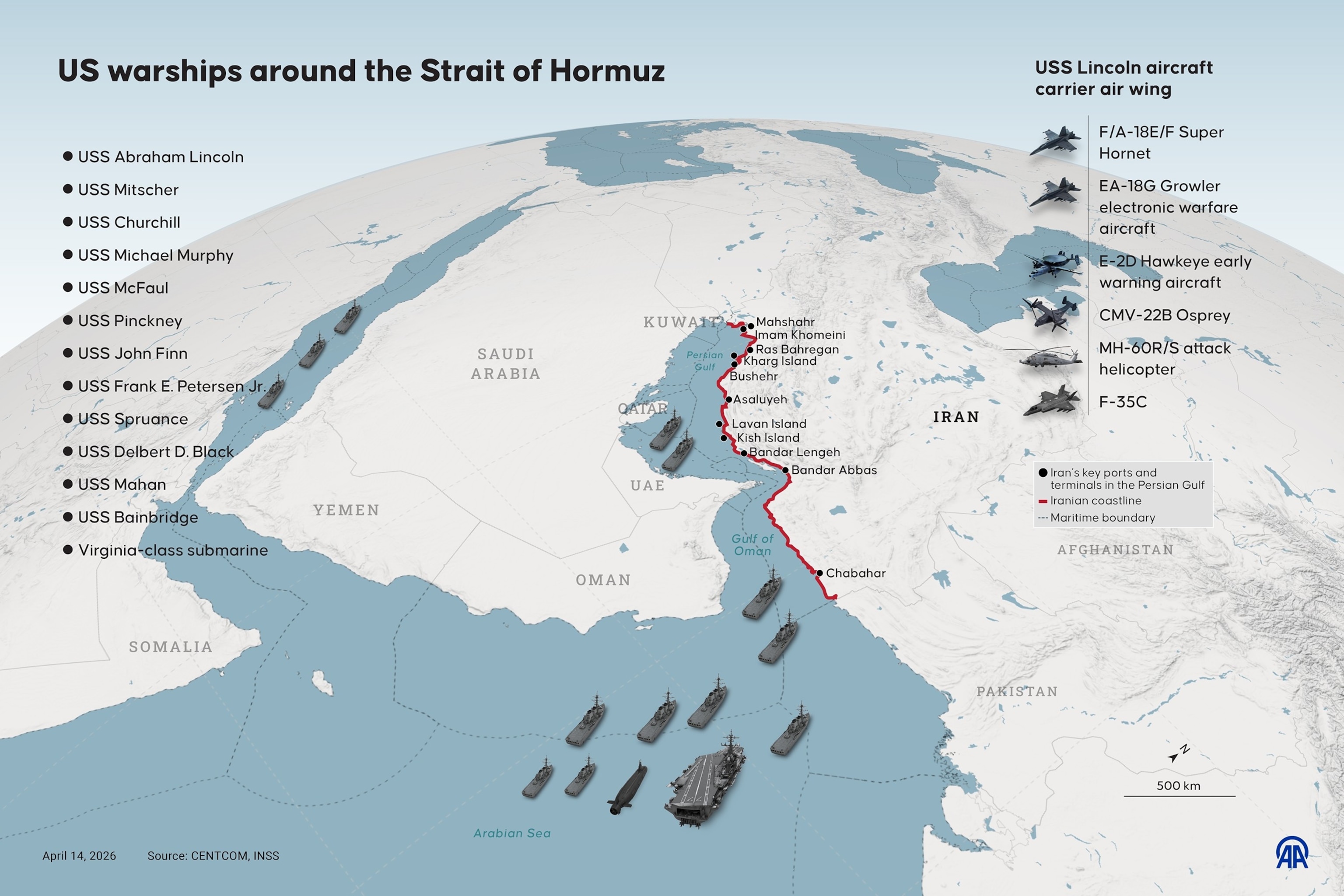
The fragile ceasefire between the United States and Iran has shattered, with President Donald Trump formally notifying Congress that military action against Tehran recommenced on July 7 following alleged Iranian attacks on commercial vessels. Washington is now reinstating a naval blockade on Iranian ports, specifically targeting ships engaged in trade with Iran, drastically escalating tensions in the critical Strait of Hormuz where fighting has reportedly resumed. This move immediately sent global oil prices surging, signaling renewed instability in the Middle East and worldwide economic ripples. The renewed hostilities come despite a memorandum of understanding signed just last month aimed at de-escalating the conflict that began in February 2026. Iran has fiercely vowed to maintain its 'guardian' status over the Strait, even proposing a controversial 20% levy on cargo passing through the vital waterway, a demand swiftly rejected by the International Maritime Organization as lacking legal basis. The back-and-forth attacks and blockades are igniting fears of a major energy supply crisis, impacting everything from global trade to the price of everyday goods. With both sides hardening their positions and the US President's notification resetting the 60-day War Powers Resolution clock, the immediate outlook points to prolonged volatility. Market observers are closely watching for further military engagements and the cascading economic effects, including potential interest rate hikes as inflation concerns mount. The international community is urging restraint, but the Strait of Hormuz remains a dangerous flashpoint, threatening to pull more global players into the deepening crisis.