US-Saudi Nuclear Deal Ignites Proliferation Fears Amid Mideast Tensions
Context mode is active. Hover over any highlighted term to see its definition. Click a nested term to go deeper.
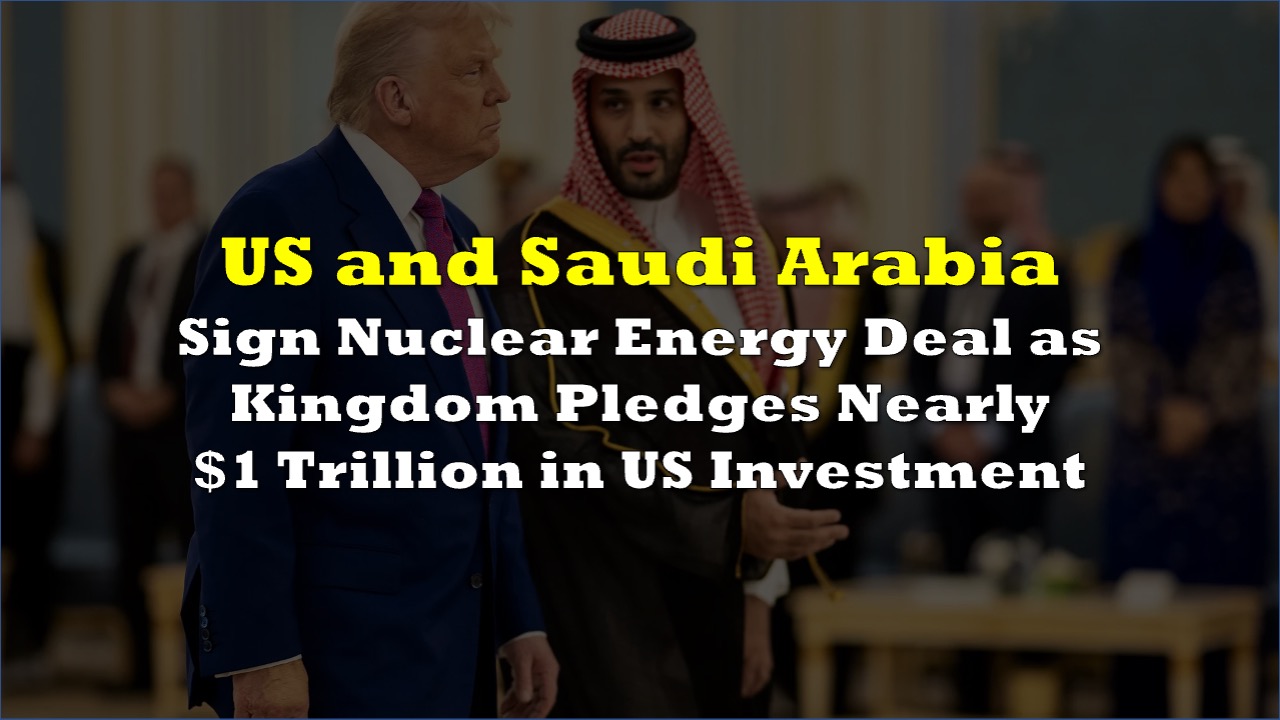
The Trump administration officially inked a controversial nuclear cooperation deal with Saudi Arabia this Wednesday, a pact that could grant the kingdom uranium enrichment capabilities for its civilian nuclear program. The announcement immediately sparked widespread concern among nonproliferation experts and lawmakers, despite Secretary of State Marco Rubio insistence that any agreement signed by the U.S. would not increase proliferation risks. The full details of the '123 Agreement' are still emerging, but early reports indicate it lacks crucial safeguards. This landmark deal comes amidst a simmering US-Iran war, with Washington actively trying to prevent Tehran from enriching uranium, making the timing particularly contentious. Saudi Arabia has previously hinted at pursuing nuclear weapons if Iran acquires them, raising alarms about a potential arms race in the volatile Middle East. While the agreement aims to boost US nuclear technology exports and create American jobs, critics fear that bypassing strict international monitoring, such as the IAEA Additional Protocol, could open a dangerous door for the kingdom to develop weapon-grade material. The agreement is now headed for a 90-day review period in the US Congress, where it is expected to face significant opposition from lawmakers concerned about its implications for global nuclear security. All eyes will be on Capitol Hill as the debate unfolds, determining whether the assurances of nonproliferation can truly hold against the geopolitical realities and the potential for a new nuclear frontier in the region. This deal marks a significant shift in US policy and sets the stage for a critical international discussion on nuclear oversight and regional stability.