US Says Iran Nuclear Pact Could Be Signed Within Days
Context mode is active. Hover over any highlighted term to see its definition. Click a nested term to go deeper.
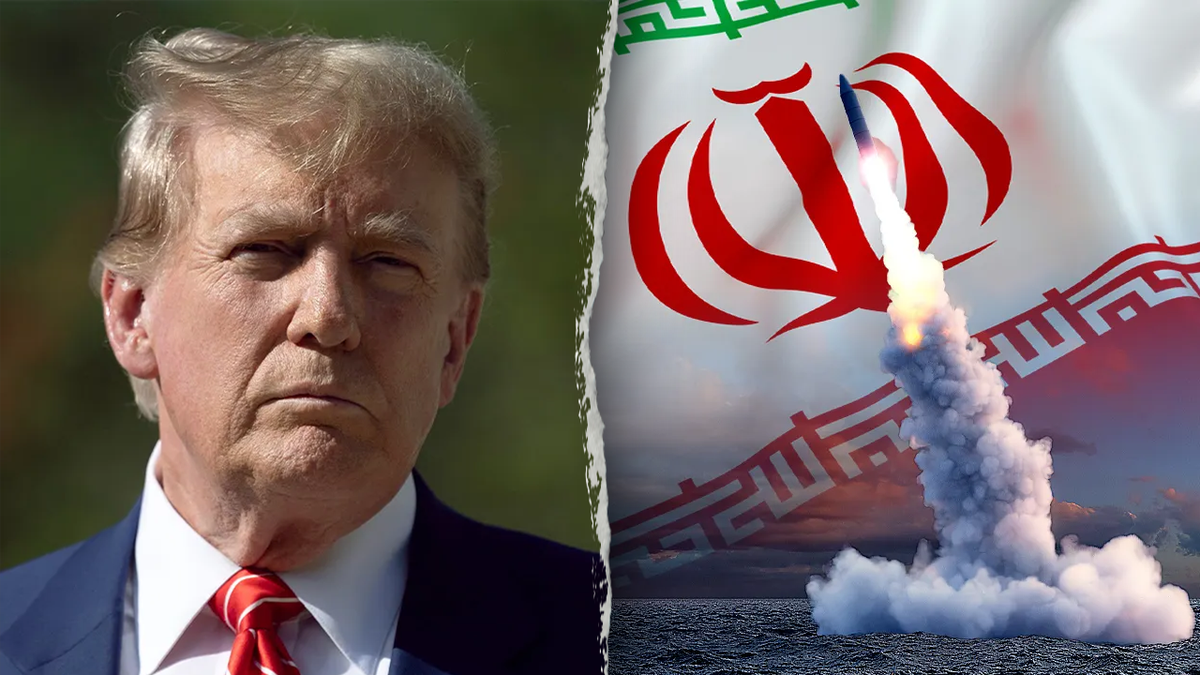
The United States and Iran are reportedly on the cusp of signing a memorandum of understanding (MOU) to de-escalate their three-and-a-half-month conflict, with Pakistani mediators claiming a final text is agreed and an electronic signing imminent. However, Iranian officials quickly tempered expectations, cautioning that a deal 'will not happen tomorrow' and emphasizing Tehran's continued insistence on retaining uranium enrichment capabilities, directly clashing with Washington's demand for full nuclear dismantlement. This fragile breakthrough, amidst conflicting narratives and ongoing military flare-ups in the Strait of Hormuz, leaves the precise nature and longevity of any pact in significant doubt. The potential agreement follows a brutal conflict initiated on February 28, 2026, by US and Israeli strikes, which included the assassination of Iran's Supreme Leader Ali Khamenei, and has severely disrupted global oil supplies by effectively closing the strategic Strait of Hormuz. Washington views the emerging deal as 'performance-based,' demanding Iran destroy or remove its enriched uranium stockpile and halt high-level enrichment for 15-20 years, alongside curbing support for proxies like Hezbollah. Yet, Tehran's narrative frames the MOU as an interim security arrangement, deferring critical nuclear program negotiations to a subsequent 60-day technical phase, with Iranian state media asserting the right to continued domestic enrichment and control over the Strait's transit fees. This fundamental divergence underscores the immense challenges in bridging gaps that the International Atomic Energy Agency (IAEA) highlighted just days ago, demanding Iran account for unverified highly enriched uranium that the agency has been unable to track since June 2025. Should an initial MOU be signed, the immediate focus will shift to these contentious 60-day technical negotiations, which US officials expect to address the specifics of dismantling Iran's nuclear infrastructure and removing its enriched material. However, significant hurdles remain, including deep internal divisions within Iran, where hardliners are already attacking the draft and lawmakers demand parliamentary review. Furthermore, the June 13 downing of Iranian drones in the Strait of Hormuz by US forces serves as a stark reminder of the persistent military tensions that could derail any nascent peace efforts. The coming days will test whether the current political momentum can translate into a verifiable, comprehensive agreement, or if the deeply entrenched mistrust and conflicting national interests will once again lead to stalemate.