US Senator Accuses Trump of 'Bleeding' Ukraine, Amidst High-Stakes Peace Diplomacy
Context mode is active. Hover over any highlighted term to see its definition. Click a nested term to go deeper.
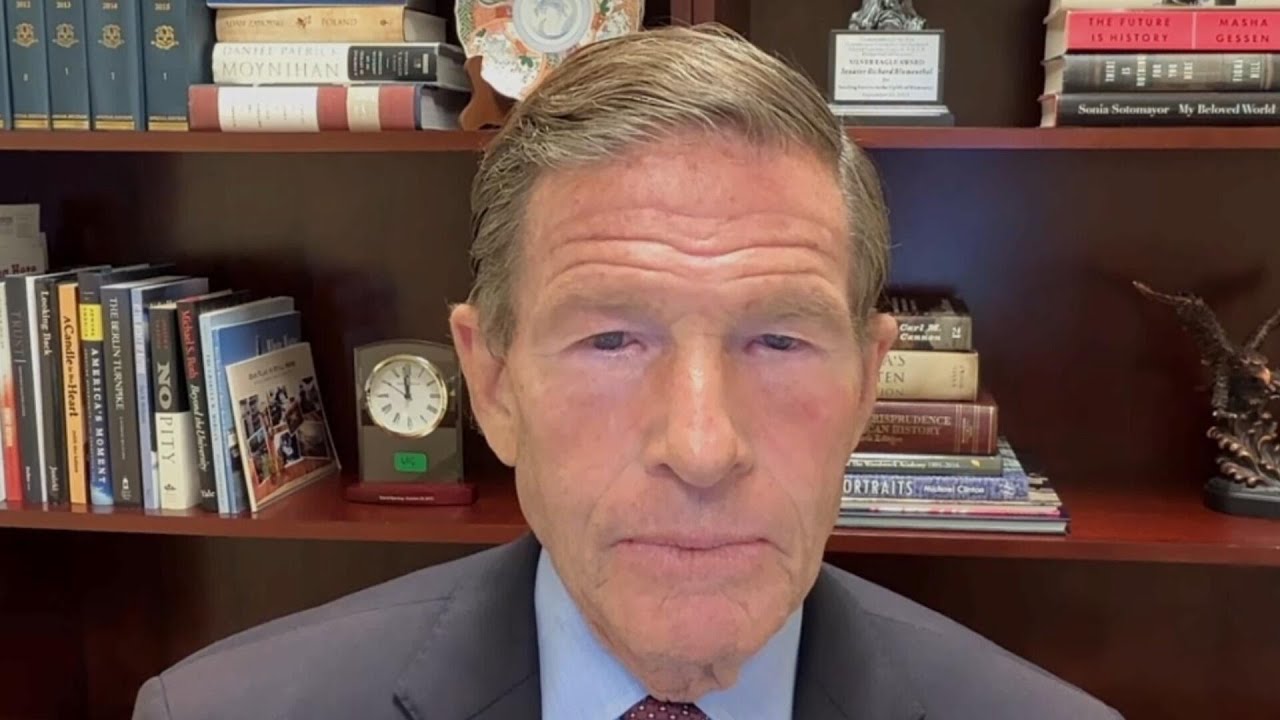
Democratic Senator Richard Blumenthal has sharply accused former President Donald Trump of deliberately trying to 'bleed Ukrainians into conceding territory and security,' a stark condemnation that underscores deepening political divisions in Washington over the ongoing Russia-Ukraine War. This accusation comes as Ukrainian President Volodymyr Zelenskyy was in Norway on Tuesday, meeting with US special envoy Steve Witkoff and other European leaders in a critical push for diplomatic solutions and renewed American support. Separately, US Secretary of State Marco Rubio confirmed the restoration of vital US intelligence sharing with Ukraine, a move that followed a period of tension regarding crucial information for missile defense. Blumenthal's fiery remarks highlight growing concerns over Trump's recent actions, which include calls for Ukraine to 'make a deal' with Russia, a complaint that the US has received 'nothing back' for its aid, and contentious waivers of sanctions on Russian diesel. These moves are perceived by some as undermining Ukraine defensive capabilities and its negotiating position, especially after reports surfaced about delays in approving transfers of desperately needed Patriot interceptor missiles and a temporary halt in intelligence sharing. The current diplomatic efforts in Oslo, involving the US and European allies, are thus critical for reaffirming a united front and exploring a path forward amidst the continuing conflict and internal US political pressures. The immediate focus now shifts to US envoy Steve Witkoff upcoming meeting with Russian President Vladimir Putin in St. Petersburg on Wednesday. This high-level engagement aims to convey proposals from the Oslo talks and potentially lay the groundwork for direct negotiations involving leaders, including Zelenskyy and Trump. The outcome of these discussions could significantly influence the trajectory of the nearly five-year-long conflict and the future of international support for Ukraine, as the nation continues to face relentless Russian attacks.