US Strikes Iran Nuclear Plant Amid Escalating Conflict; Tehran Retaliates with Missiles
Context mode is active. Hover over any highlighted term to see its definition. Click a nested term to go deeper.
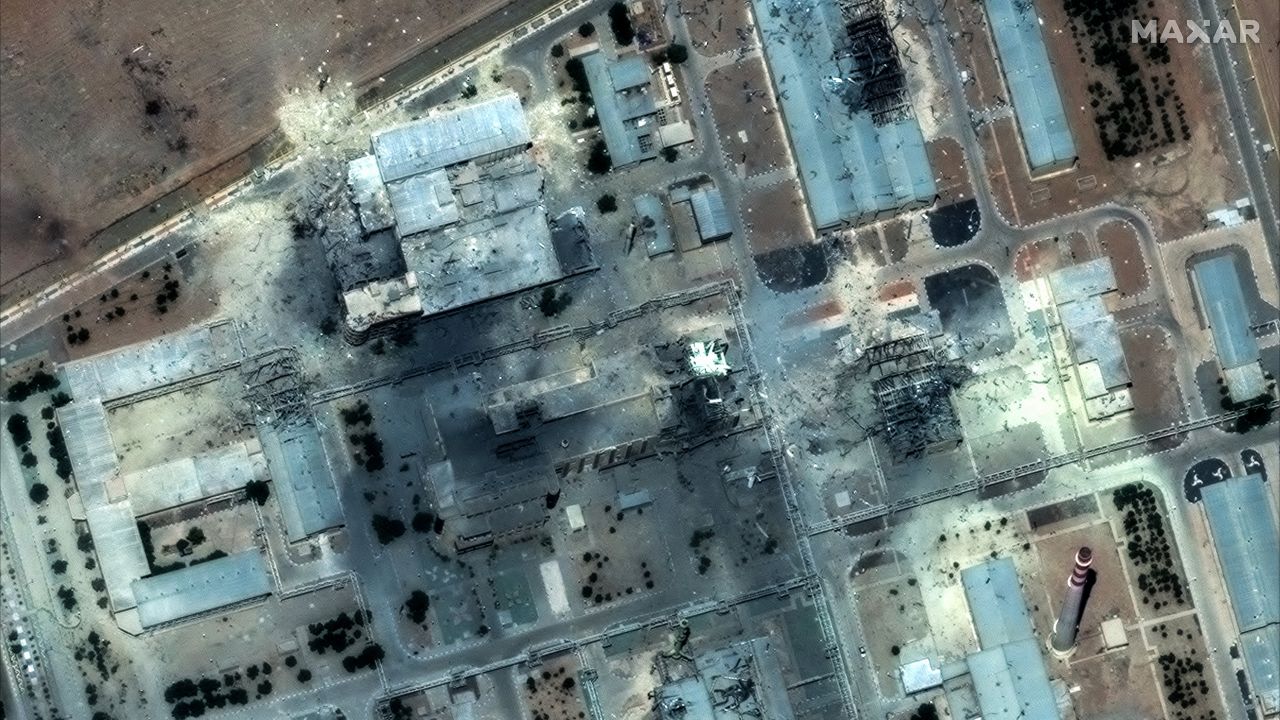
The simmering conflict between the US and Iran has boiled over, with American forces reportedly striking an Iranian nuclear plant. This aggressive move swiftly triggered a furious response from Tehran, which retaliated by unleashing a volley of missiles and drones against US-aligned nations across the volatile Middle East, marking a significant escalation in what the Trump administration has termed an ongoing war. This latest exchange follows a period of heightened tensions, exacerbated by Iran's consistent advancement of its nuclear program, including enriching uranium to 60% purity and suspected construction at a deeply buried facility known as Pickaxe Mountain. International oversight by the International Atomic Energy Agency (IAEA) has been severely hampered since 2025, leaving critical gaps in monitoring Tehran activities. President Donald Trump administration, citing Iran's continued nuclear activity, has framed this as a necessary blow against a defiant regime, following previous strikes in 2025 and earlier in 2026. Iran, meanwhile, has significantly enhanced its missile and drone arsenal, demonstrating a new level of precision and lethality, posing a serious threat to US forces and partners in the region. The immediate aftermath points to further escalation, as Tehran has vowed to continue expanding its defense programs and has proven its ability to strike US targets and allies. The wider implications are stark, threatening the stability of the Middle East and potentially disrupting global energy markets, particularly given the critical importance of the Strait of Hormuz for oil transit. With diplomatic channels increasingly strained and the Joint Comprehensive Plan of Action (JCPOA) largely defunct, the path to de-escalation appears narrow, leaving regional and global powers bracing for what comes next.