US Supreme Court Upholds Birthright Citizenship, Rejects Trump's Executive Order
Context mode is active. Hover over any highlighted term to see its definition. Click a nested term to go deeper.
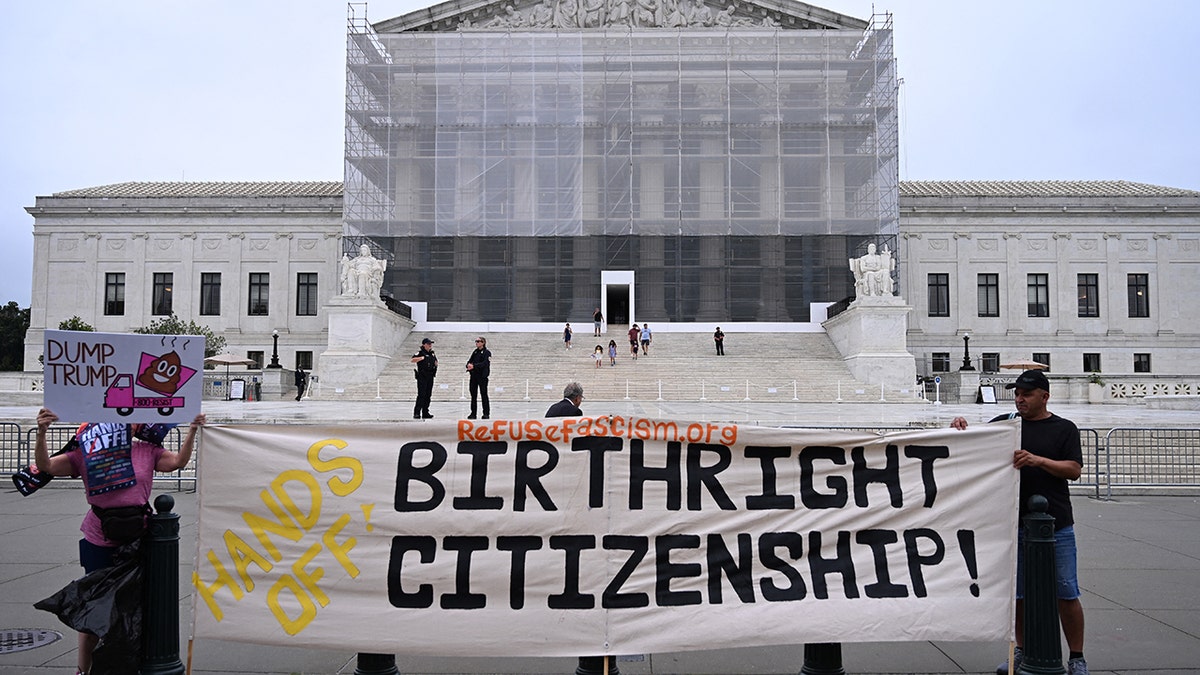
In a major decision shaking up the US political landscape, the Supreme Court of the United States has struck down former President Donald Trump Executive Order 14160, which aimed to severely limit birthright citizenship. The ruling, delivered on June 30, 2026, firmly reaffirms the long-held understanding of the 14th Amendment, meaning nearly all children born on American soil are automatically US citizens, regardless of their parents' immigration status. This landmark judgment in the case 'Trump v. Barbara' is a significant defeat for those seeking to restrict immigration through executive action. At the heart of the matter is 'Jus Soli', or 'right of the soil', a principle embedded in the US Constitution since the 14th Amendment ratification in 1868. President Trump's order, issued early in his second term, sought to deny citizenship to children born to Undocumented Immigrants or those on Temporary Visas, sparking widespread legal challenges. The Supreme Court's majority opinion, written by Chief Justice John Roberts, highlighted how this executive order contradicted over a century of legal precedent, including the 1898 'United States v. Wong Kim Ark' decision which solidified birthright citizenship for children of immigrants. This decision also echoes the historical context of the 14th Amendment, which was originally passed to overturn the infamous 'Dred Scott v. Sandford' ruling that denied citizenship to Black people. While the Supreme Court has decisively rejected the attempt to alter birthright citizenship via executive action, the broader debate over immigration policy in the US is far from over. This ruling preserves the status quo for millions of families but will likely intensify calls from some political factions for legislative changes to the 14th Amendment, though such a constitutional amendment would be an extremely difficult process. The decision sends a clear message about the limits of presidential power when it comes to fundamental constitutional rights, ensuring that for now, the principle of 'if you're born here, you belong here' remains intact.