US Unleashes 'Economic Outcast' on Iran, Sanctions India-Based Firms Amid Strait War
Context mode is active. Hover over any highlighted term to see its definition. Click a nested term to go deeper.
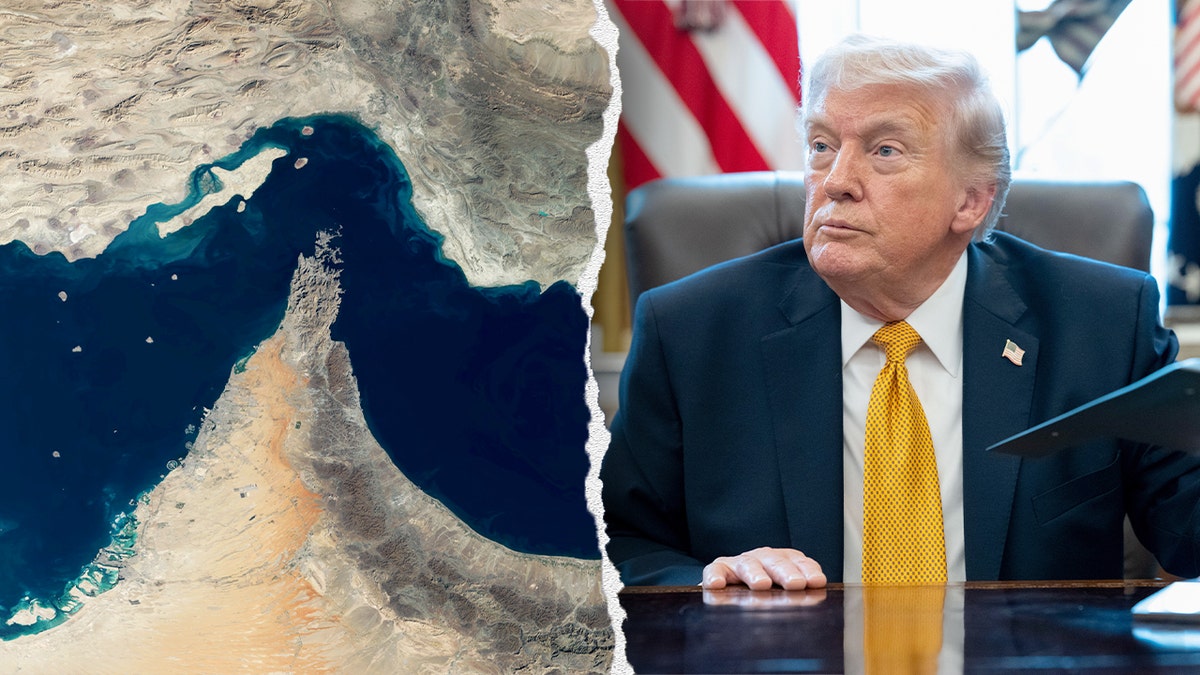
In a dramatic escalation of its 'maximum pressure' campaign, the US government, under President Donald Trump, has launched 'Operation Economic Outcast,' imposing a fresh wave of expansive secondary sanctions aimed at severing Iran's remaining financial lifelines. This sweeping action, announced on August 24, 2026, explicitly targeted four India-based companies and three Indian nationals for their alleged involvement in importing Iranian petroleum and petrochemical products, sending a clear warning to global businesses still engaging with Tehran. This comes amidst an ongoing US-Israeli war with Iran that began in February 2026, further destabilizing the region and impacting vital shipping routes. This latest offensive broadens the scope of penalties to include Iran's digital assets, technology, gold, aviation, and shipping sectors, intensifying pressure on countries like India and China, who have historically been major purchasers of Iranian oil. India, heavily reliant on energy imports, faces a critical dilemma as its trade with Iran has already plummeted, forcing it to diversify energy sources while battling surging crude and freight costs due to severe disruptions in the Strait of Hormuz. Meanwhile, China, Iran's largest oil buyer, continues to push back against US demands, with smaller 'teapot' refiners reportedly using Chinese currency and cryptocurrencies to circumvent sanctions, though major Chinese banks have so far been spared direct US action, signaling Washington's cautious approach ahead of a possible Trump-Xi Jinping summit. The immediate future will test the resolve of these nations and the effectiveness of US sanctions. With Iran's oil exports significantly impacted by a US naval blockade and renewed hostilities in the Strait of Hormuz, the global energy market remains volatile. As sanctioned entities increasingly leverage digital assets for evasion, the challenge for US regulators, especially OFAC, grows more complex. The long-term implications for the RIC framework — an informal grouping of Russia, India, and China — could see these nations further coalesce in defiance of unilateral US pressure, fundamentally reshaping global geopolitical alignments.