US Unleashes New Strikes on Iran Amid Dire Threats to Mideast Energy Routes
Context mode is active. Hover over any highlighted term to see its definition. Click a nested term to go deeper.
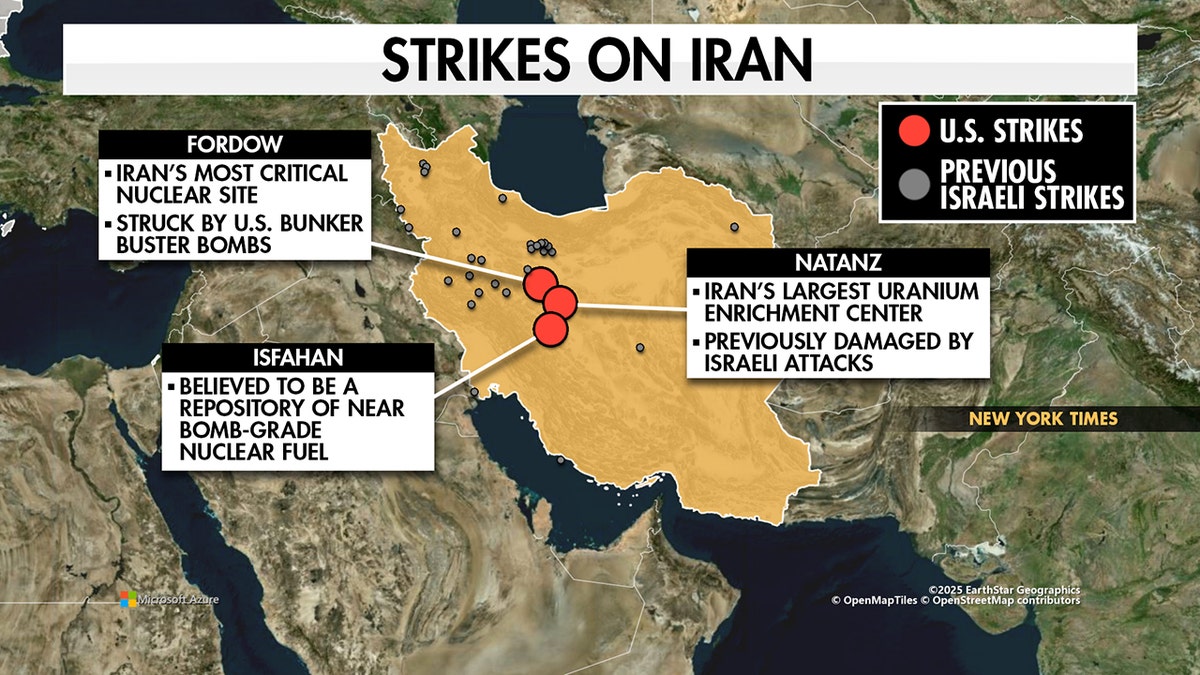
The United States has launched a fresh wave of strikes against Iran, targeting military sites used to attack shipping in the Strait of Hormuz, while Tehran's Islamic Revolutionary Guard Corps (IRGC) retaliates with threats to block all Middle East energy exports. These latest attacks, confirmed by US Central Command (CENTCOM), come as Iran reports seven military personnel killed and over 260 injured in previous overnight US operations. This dangerous back-and-forth marks the fifth consecutive day of US strikes, deepening a crisis that could severely impact global energy supplies. The current hostilities shatter a fragile June 2026 Memorandum of Understanding (MoU) that aimed to de-escalate tensions. CENTCOM asserts its strikes are degrading Iran's ability to threaten vital commercial shipping in the Strait, a critical chokepoint for nearly one-third of the world's seaborne oil and gas. In response, the IRGC has not only threatened to close the Strait of Hormuz until US operations cease but also launched missiles and drones at US military targets in Bahrain, Kuwait, and Jordan, prompting air defense responses and reports of casualties and material damage in allied nations. Looking ahead, the situation remains highly volatile, with US President Donald Trump warning of intensified strikes on Iranian bridges and power plants next week if negotiations don't resume. The US has also recently deployed Unmanned Surface Vessels (USVs) for the first time in combat against an Iranian naval base, showcasing new military capabilities. With global crude oil prices already rising due to the renewed conflict, the world watches anxiously to see if the Strait of Hormuz—and other key energy corridors like the Bab al-Mandeb Strait, which the IRGC threatens to influence through its Houthi allies—will become fully embroiled, sending shockwaves through the global economy.