US Unleashes 'Powerful Strikes' on Iran, Shattering Fragile Ceasefire and Fueling Regional Conflict
Context mode is active. Hover over any highlighted term to see its definition. Click a nested term to go deeper.
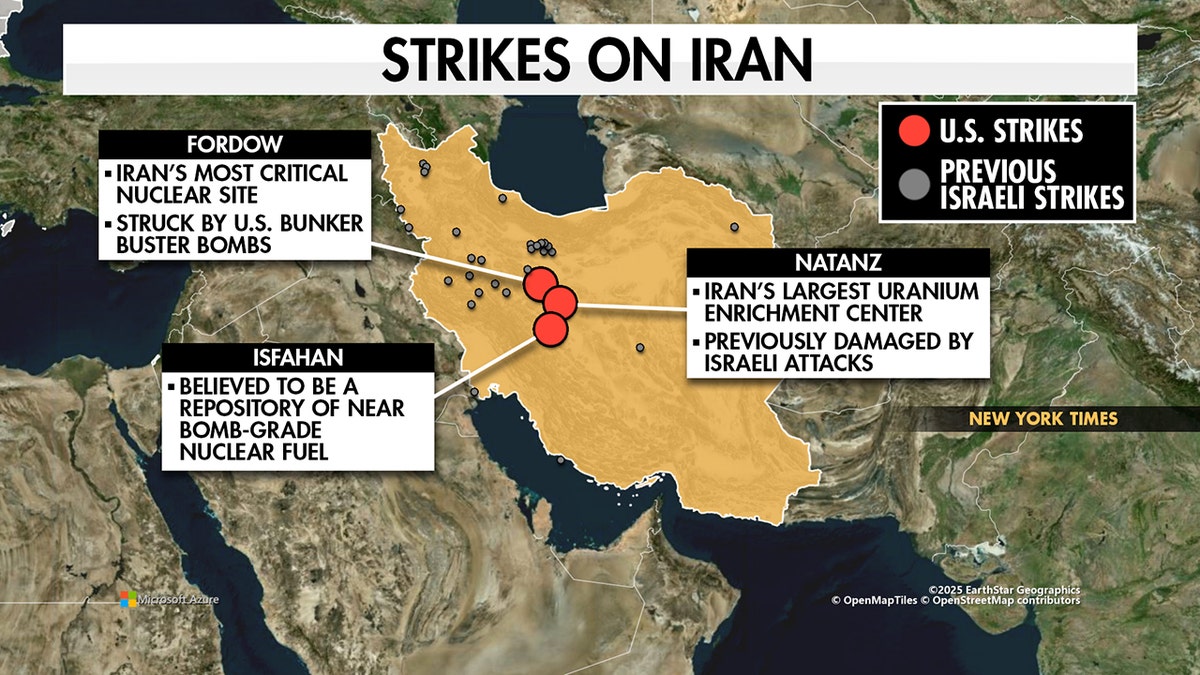
US Central Command (CENTCOM) forces have launched a barrage of 'powerful strikes' against Iran, directly targeting Iranian air defenses, radar sites, anti-ship missile positions, and dozens of small boats operated by the Islamic Revolutionary Guard Corps (IRGC). This significant military action on July 7, 2026, comes in direct retaliation for Iran attacks on three commercial tankers navigating the critical Strait of Hormuz, an act CENTCOM described as an 'unwarranted, dangerous, and clear violation of the ceasefire'. The rapid escalation has effectively shattered the fragile ceasefire agreement between Washington and Tehran, with US President Donald Trump declaring the truce 'over' on July 8, 2026, labeling further negotiations a 'waste of time'. Iran wasted no time in hitting back, launching retaliatory attacks on US military facilities in Bahrain and Kuwait, triggering missile alerts across the Gulf region. The immediate fallout saw at least four major oil and gas tankers, including those operated by QatarEnergy and an Indian crude carrier, reversing course from the Strait of Hormuz due to heightened 'severe' security threats, while global oil prices surged more than 5% as markets reacted to the escalating conflict. With both sides trading blows and President Trump warning of further strikes, the situation remains extremely volatile, risking a wider regional conflagration. The UN International Maritime Organization (IMO) has condemned the 'reckless attacks' and urged de-escalation, but the immediate future suggests continued military posturing and severe disruptions to international shipping and global energy supplies. All eyes are now on potential diplomatic interventions and how long the vital Strait of Hormuz can remain open amidst this intensifying crisis.