US Unveils Autonomous Undersea Robot Hub to Secure Critical Minerals, Challenge China
Context mode is active. Hover over any highlighted term to see its definition. Click a nested term to go deeper.
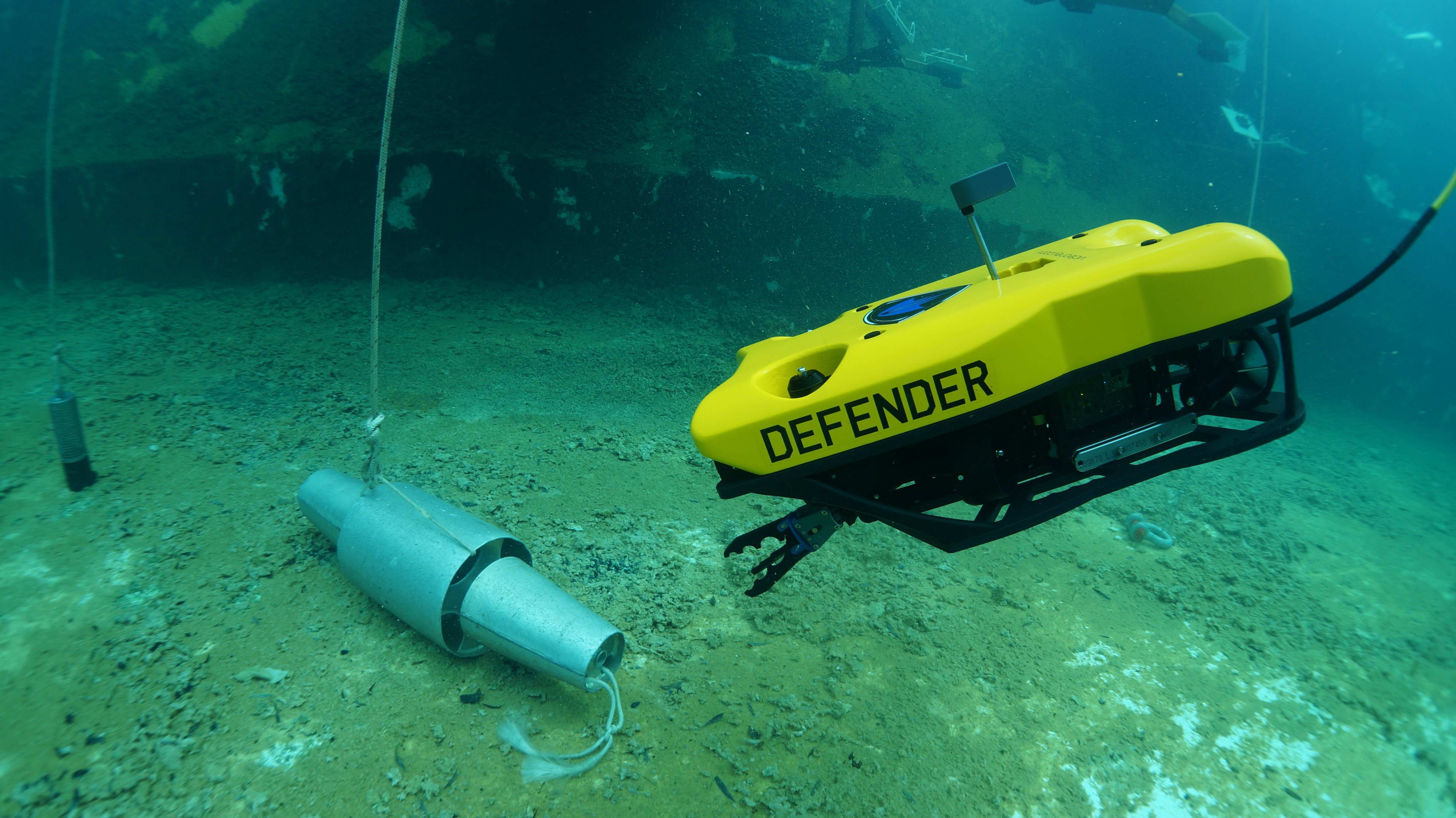
Impossible Metals just threw open the doors to its new Advanced Marine Robotics Hub in Pittsburgh, Pennsylvania, on July 14, 2026, marking a significant step in developing autonomous underwater systems for collecting critical minerals. This move isn't just about cool robots; it's a strategic push to secure vital resources like nickel and cobalt, aiming for a 'China-free supply chain' that powers everything from electric vehicles to defense systems. This development comes amidst a fierce global race for critical minerals, with demand surging thanks to the rise of electrification and AI. While Impossible Metals' 'Eureka platform' uses AI-guided Autonomous Underwater Vehicles (AUVs) designed to selectively pick up Polymetallic Nodules without dredging, reducing environmental impact, the broader Deep-Sea Mining industry remains highly controversial due to concerns about habitat destruction and Sediment Plumes. Complicating matters, the International Seabed Authority (ISA) 'Mining Code,' which would regulate such activities in international waters, is still stuck in negotiations, creating a regulatory vacuum. Meanwhile, the US, not party to the UNCLOS, has seen its National Oceanic and Atmospheric Administration (NOAA) streamline its own deep seabed mining regulations. The new Pittsburgh hub, slated to create high-paying engineering jobs, will advance technologies with 'Dual-use autonomy' for both commercial and naval applications, further solidifying America's position in this strategic frontier. As demand for these minerals is projected to soar, the world will be watching closely to see if innovative approaches like Impossible Metals' can responsibly balance resource security with environmental protection, especially as the ISA reconvenes in July 2026 to continue its contentious discussions.