U.S. weighs chip tariffs to spur domestic growth, trade chief says
Context mode is active. Hover over any highlighted term to see its definition. Click a nested term to go deeper.
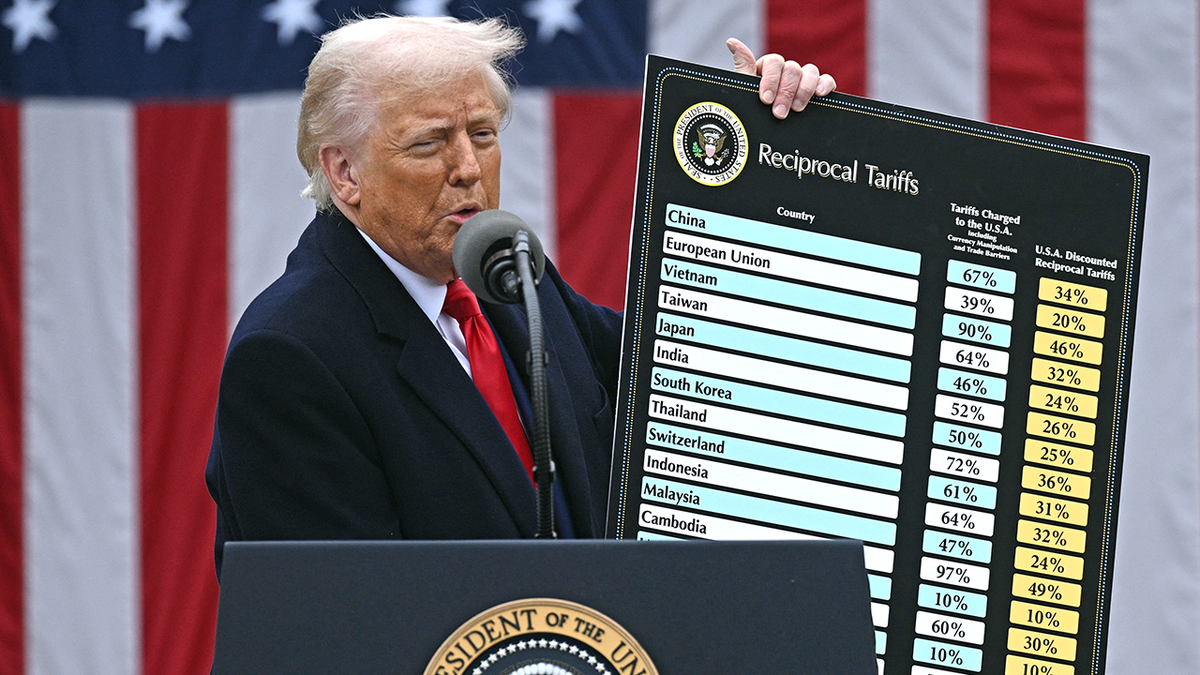
The U.S. government is actively considering the imposition of **chip tariffs**—import duties on semiconductors—as a strategic tool to invigorate **domestic growth** and incentivize the **reshoring** of **semiconductor production**. This ongoing policy discussion, articulated by figures like former **U.S. Trade Representative (USTR)** Jamieson Greer, underscores a concerted effort to fortify the nation's technological industrial base. The proposed tariffs aim to make foreign-produced chips comparatively more expensive, thereby boosting the competitiveness and viability of U.S.-based manufacturing facilities, directly addressing vulnerabilities exposed during recent global supply chain disruptions. This move is a critical facet of a broader **industrial policy** shift, driven by acute concerns over **supply Chain Resilience** and intense **geopolitical competition**, particularly with China. By leveraging tariffs, the U.S. seeks to reduce its reliance on external fabrication, particularly from East Asian powerhouses like Taiwan and South Korea, which currently dominate advanced chip manufacturing. Such measures complement existing initiatives like the **CHIPS and Science Act**, signaling a pivot towards aggressive economic nationalism. However, these tariffs could also introduce complexities, potentially raising consumer costs, inviting retaliatory measures from trade partners, and impacting global semiconductor market dynamics, pushing critical stakeholders to re-evaluate their sourcing and production strategies amidst a fragmenting global tech landscape.