US West's Water Crisis: Deep Cuts Mandated, States Warn of 'Meteor' Impact
Context mode is active. Hover over any highlighted term to see its definition. Click a nested term to go deeper.
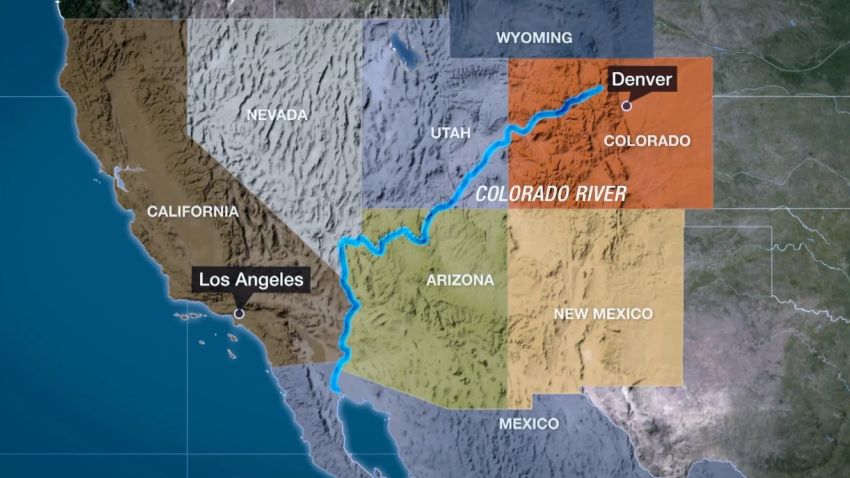
The U.S. Bureau of Reclamation has just dropped a two-year plan demanding unprecedented water cuts for California, Arizona, and Nevada, as the Colorado River system teeters on the brink. These Lower Basin states must collectively slash their water use by 1.25 million acre-feet annually for 2027 and 2028, a response to Lake Mead and Lake Powell hitting historic, terrifyingly low levels this August. The move, finalized in the past week, has ignited fresh outcry from affected states, with one desert city mayor likening the crisis to a meteor strike: 'You can see it coming, but you can't get out of the way.' This federal intervention follows years of failed negotiations among the seven basin states to voluntarily agree on sharing the shrinking Colorado River. While Arizona will bear the largest portion of the cuts (760,000 acre-feet), followed by California (440,000 acre-feet) and Nevada (50,000 acre-feet), the Upper Basin states remain exempt from mandatory reductions, a point of significant contention. Adding to the drama, Nevada has already filed a lawsuit against the federal government, arguing the plan is insufficient and will lead to 'devastating environmental, socioeconomic and health and human safety impacts' for its residents. Looking ahead, the new federal framework extends through 2036, with the possibility of even steeper cuts, potentially up to 3 million acre-feet annually, if conditions worsen after 2028. Phoenix Mayor Kate Gallego has underscored the need for 'fair, basin-wide leadership' and warned of rising water costs for residents, despite the city's extensive conservation efforts. With climate change continuing to deplete the West's vital water sources, the immediate future holds more uncertainty and potential conflict over every drop.