Use of ultra-fast acting insulin With smart insulin pump system Improves Glucose Control in Type 1 Diabetes: Study
Context mode is active. Hover over any highlighted term to see its definition. Click a nested term to go deeper.
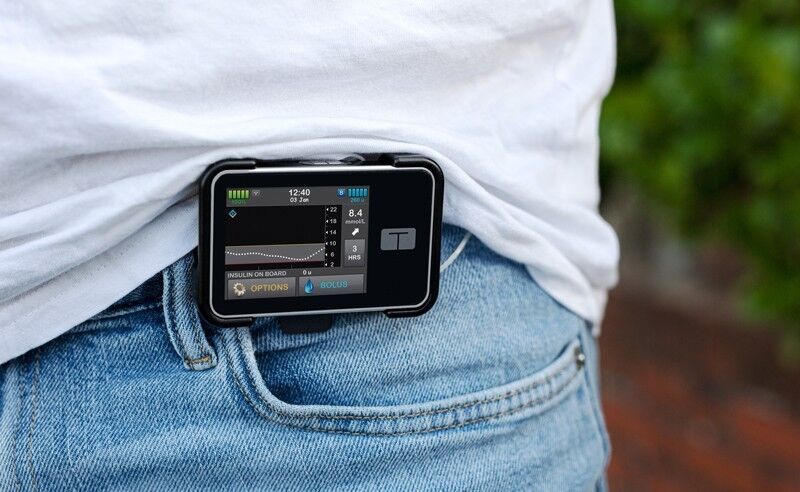
A new landmark study confirms that combining Eli Lilly's ultra-fast acting insulin Lyumjev with the Medtronic MiniMed 780G smart insulin pump system dramatically improves glucose control for both children and adults with Type 1 Diabetes. The findings, presented this week at the American Diabetes Association's annual conference, mark a significant leap towards more autonomous diabetes management, demonstrating superior time-in-range metrics and reduced hypoglycemia without increased burden. This synergy between rapid insulin kinetics and Medtronic advanced SmartGuard Technology—which delivers automatic correction boluses every five minutes—addresses a critical challenge in hybrid closed-loop system: the delay between glucose spikes and insulin action. Traditional rapid-acting insulins often struggled to keep pace with mealtime glucose excursions, leading to suboptimal post-prandial control. The study underscores how Lyumjev accelerated absorption allows the 780G to proactively manage blood sugar fluctuations, closing the gap towards a truly "artificial pancreas" and potentially reducing long-term complications associated with poor glycemic control, from retinopathy to kidney disease. With major players like Insulet and Tandem Diabetes Care also pushing the envelope in automated insulin delivery, this validation of Lyumjev efficacy within a prominent AID system will likely spur wider adoption and further research into optimal insulin-device pairings. Regulatory bodies will be watching closely for real-world evidence, while patients and clinicians can anticipate better clinical outcomes and a reduced daily management burden. The next frontier will undoubtedly focus on integrating even more predictive algorithms and potentially multi-hormone delivery to refine glycemic control even further, pushing closer to a fully autonomous system by the end of the decade.