Uttarakhand Waqf Board Forges New Nikahnama: Banning Polygamy, Halala Under UCC
Context mode is active. Hover over any highlighted term to see its definition. Click a nested term to go deeper.
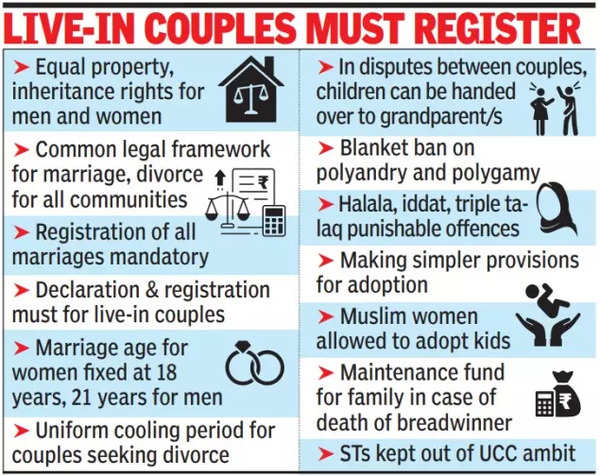
The Uttarakhand Waqf Board is rolling out a revised 'Nikahnama' (Muslim marriage contract) that will strictly align with the state's Uniform Civil Code (UCC), effectively outlawing polygamy, 'Halala', and 'triple talaq' for the Muslim community. This groundbreaking move, announced by Board Chairman Shadab Shams, signals a significant shift in religious personal laws, ensuring all marriages under the board's purview adhere to the UCC gender-neutral provisions. Uttarakhand made history by becoming the first state post-independence to implement a comprehensive UCC in January 2025, which has since seen procedural and penal amendments to ensure smooth operation. The new Nikahnama is a direct consequence, aiming to protect individuals from legal complications and offenses arising from traditional practices, a concern highlighted by the first criminal case filed under the UCC involving Halala. This development also reflects a broader national trend, with states like Madhya Pradesh and Rajasthan advancing their own UCC bills to standardize civil laws across communities. With discussions underway between the Waqf Board and UCC drafters, the final Nikahnama is expected to mandate strict adherence to monogamy and online marriage registration, while explicitly criminalizing banned practices. This will require clerics to solemnize only UCC-compliant marriages and will empower women with equal inheritance rights, marking a crucial step towards standardizing civil rights and potentially influencing the nationwide UCC debate.