Vacation Inflation: Americans Prioritize Local Trips as Costs Skyrocket, Boosting Small Businesses
Context mode is active. Hover over any highlighted term to see its definition. Click a nested term to go deeper.
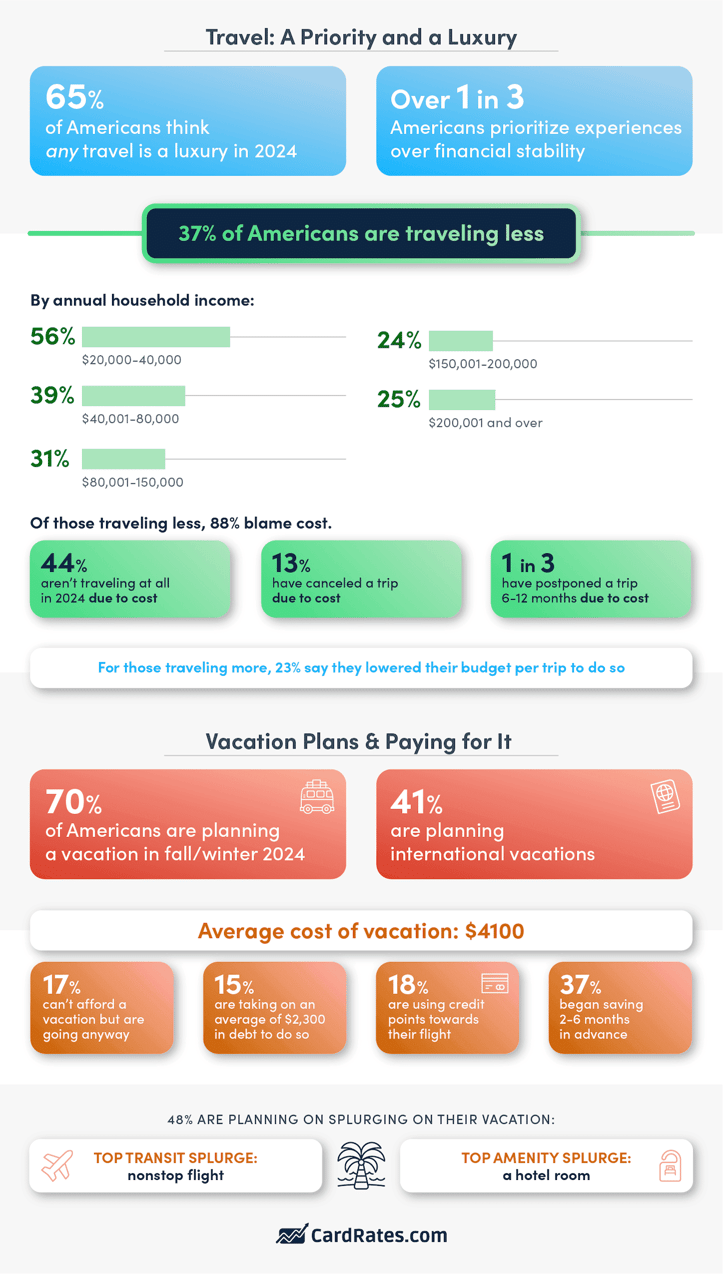
American consumers are feeling the pinch of 'vacation inflation' this summer, with travel costs skyrocketing at more than double the pace of overall consumer prices, leading many to ditch distant getaways for closer-to-home experiences. Small businesses across the U.S. are unexpectedly benefiting from this shift, as budget-conscious travelers opt for road trips and local attractions over expensive flights and international destinations. This pivot in spending habits comes as overall travel prices jumped 9.8% year-over-year in May 2026, significantly outpacing the general Consumer Price Index 4.2% rise. The current economic landscape, marked by persistent inflation in categories like gasoline and airfares (up over 20% year-over-year), is forcing a strategic recalibration among travelers. While wealthier households continue to spend, a stark 'K-shaped economic trend' is emerging, with lower-income Americans cutting back or choosing shorter, more affordable trips. This is happening despite a resilient job market, as the Federal Reserve, under its new Chair Kevin Warsh, held benchmark interest rates steady at 3.5%-3.75% in June, pushing borrowing costs higher and signaling a 'higher-for-longer' monetary policy. Looking ahead, the resilience of domestic travel, fueled partly by events like America's 250th anniversary and the upcoming FIFA World Cup 2026, will be crucial for local economies. Observers will be watching upcoming economic data for signs of easing inflationary pressures or shifts in Federal Reserve policy that could impact borrowing costs. For consumers, adapting strategies like using AI for travel planning or prioritizing 'playcations' – short, active trips – might remain the norm as they navigate an expensive travel market.