Venezuela Secures $19 Per Barrel in 'Historic' US Oil Deal, Boosts Production Goals
Context mode is active. Hover over any highlighted term to see its definition. Click a nested term to go deeper.
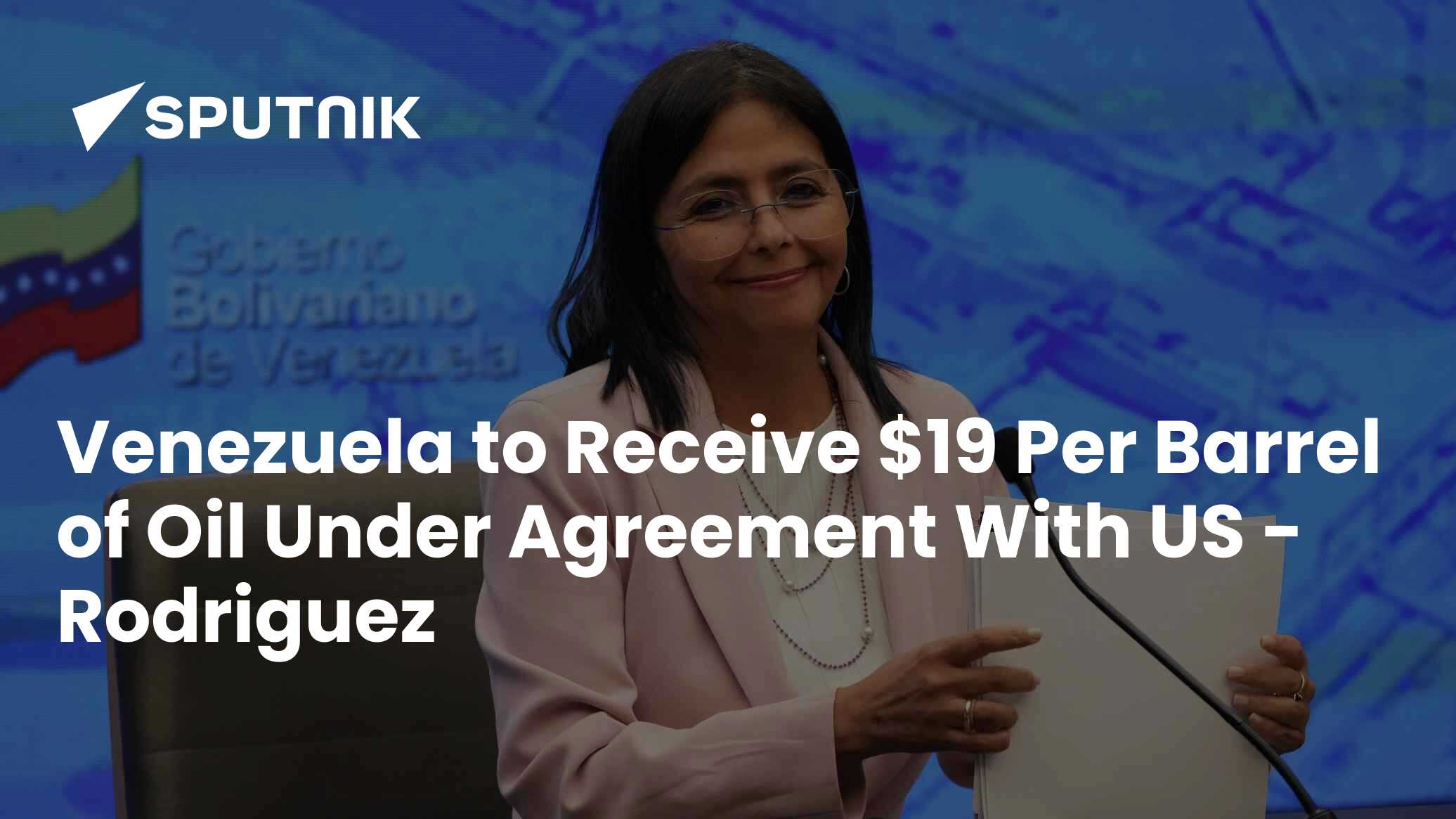
Venezuela's interim president, Delcy Rodriguez, just announced a significant oil development agreement with the United States, set to funnel an estimated $19 per barrel directly into state coffers. This 25-year deal, which could generate approximately $209 billion in tax revenue for Venezuela, marks a pivotal moment for the nation's battered economy and aims to push its daily crude oil production past 1.5 million barrels. It also signifies a major shift in US foreign policy, securing a significant stake in Venezuela's vast oil wealth after a US military operation removed former President Nicolás Maduro earlier this year. The agreement involves developing 17 strategic oil fields, primarily within the resource-rich Orinoco Oil Belt, and sees the US gaining a 55% effective output control through a partnership with a private company, which has been granted 100-year development rights. This move is a calculated play by the Trump administration to lower domestic gas prices and reduce reliance on Middle Eastern oil supplies, especially amid ongoing geopolitical tensions and the war in Iran impacting the Strait of Hormuz. While international energy giants like Chevron, Repsol, Eni, Shell, and BP are expected to participate, some Venezuelan opposition figures have criticized the deal as a 'land grab,' questioning the long-term implications of such extensive foreign control over national resources. Looking ahead, Venezuela's oil production, currently around 1.1-1.25 million barrels per day, is expected to see a considerable boost from this influx of capital and technology, accelerating its economic recovery. The deal also fuels speculation about Venezuela's potential exit from OPEC, allowing it to maximize production without cartel quotas and further realigning global oil power. Observers will be watching closely to see how quickly these ambitious production targets are met and how the promised revenues are managed to benefit the Venezuelan people, especially given past transparency issues with US-controlled oil funds.