Venezuela's Delcy Rodríguez Under Fire as Deadly Quakes Expose State Weakness
Context mode is active. Hover over any highlighted term to see its definition. Click a nested term to go deeper.
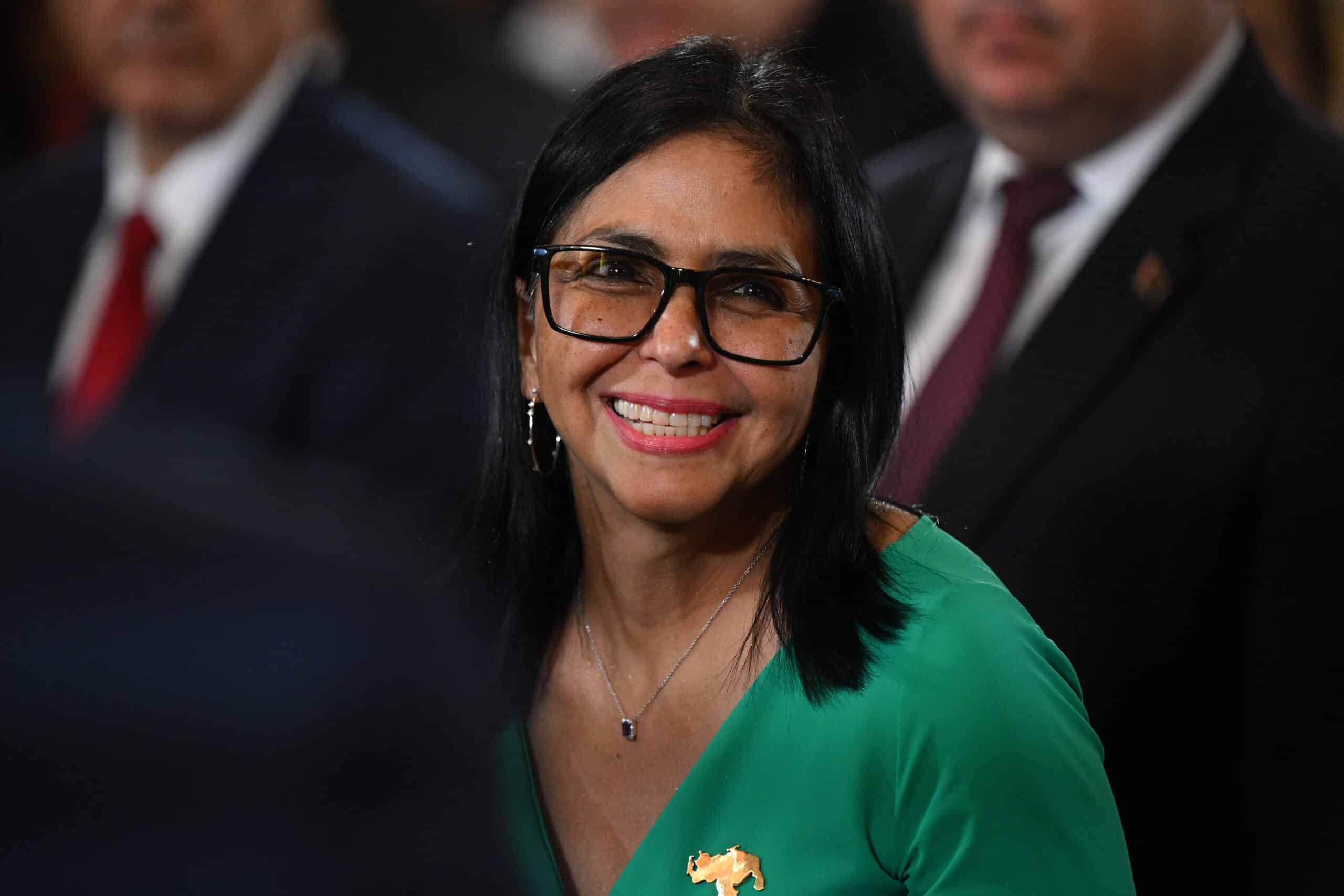
Venezuela's acting President Delcy Rodríguez is facing intense scrutiny and public outrage over her government's response to the devastating twin earthquakes that struck the nation on June 24, 2026, killing over 2,640 people and leaving tens of thousands missing. While Rodríguez has vehemently defended the immediate deployment of rescue efforts, blaming critics on 'propaganda laboratories,' residents in hard-hit areas like La Guaira report a critical lack of official aid and equipment in the crucial initial days. This disaster has exposed deep-seated vulnerabilities and amplified calls for accountability at a precarious political moment for the US-backed leader. The catastrophic 7.2 and 7.5 magnitude quakes, the strongest to hit Venezuela in over a century, arrived as Rodríguez's 180-day interim presidential mandate was set to expire on July 3, 2026. She assumed power in January 2026 after former President Nicolás Maduro was captured by US forces, with the Trump administration actively supporting her government. Meanwhile, exiled opposition leader María Corina Machado, a Nobel Peace Prize laureate, has attempted to return to Venezuela, arguing her presence would stabilize the crisis, but has reportedly been blocked by Rodríguez's government, which also faces criticism for allegedly undercounting casualties and stifling information. International organizations, including the UN and UNICEF, are on the ground, deploying humanitarian aid amidst the ongoing chaos and widespread destruction, including nearly 800 collapsed buildings and an estimated $4.7-$8.7 billion in damages. As search operations for survivors wind down and the focus shifts to recovery, the political fallout for Rodríguez is only just beginning. With her mandate officially ended, the path forward for Venezuela's leadership remains unclear, potentially triggering further political instability. The overwhelming need for housing and healthcare in a country already grappling with a severe humanitarian crisis will test the government's rebuilding capacity and shape its legacy, while the opposition, including Machado, will likely use the perceived mishandling to rally support and push for a democratic transition. Observers will be watching how this crisis impacts the delicate balance of power and Venezuela's long-term recovery efforts.