Walmart CEO sends troubling message on economy, higher prices
Context mode is active. Hover over any highlighted term to see its definition. Click a nested term to go deeper.
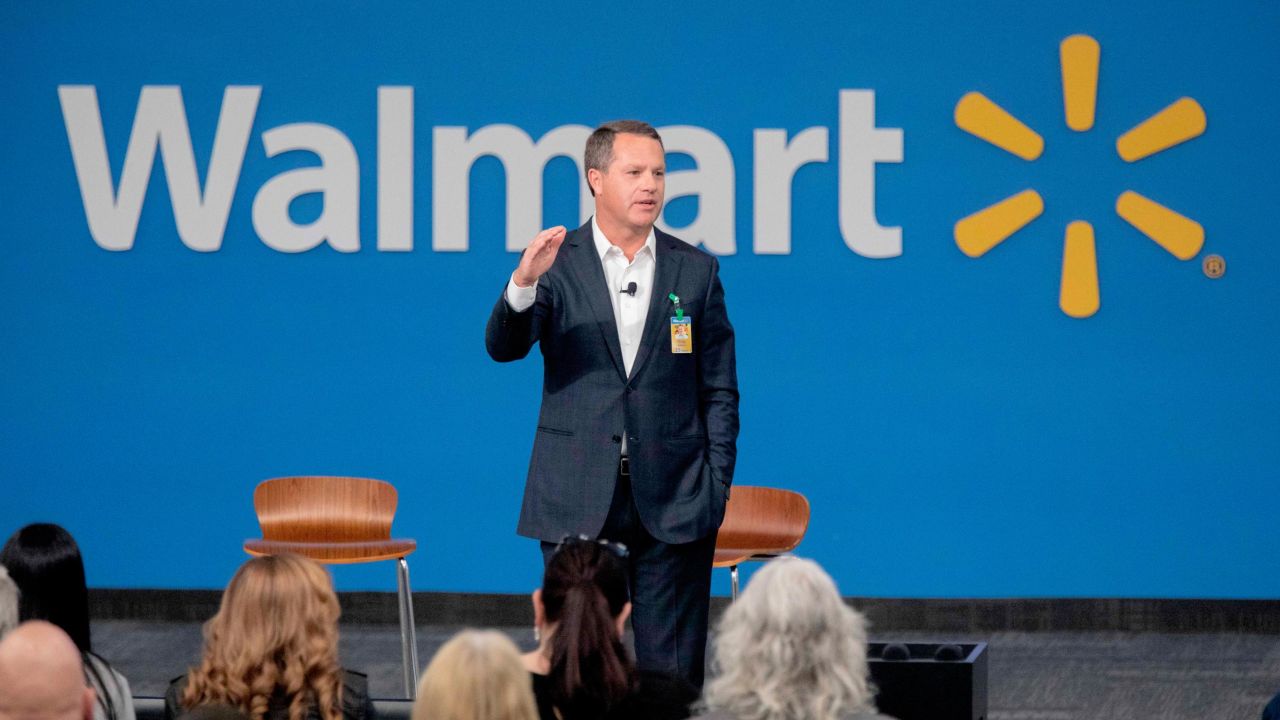
Walmart CEO Doug McMillon delivered a stark warning this week, signaling deep consumer distress as shoppers increasingly prioritize essentials over discretionary goods. The retail giant's internal data, reflecting trends across millions of households, shows an acceleration in the shift towards value-oriented purchases, suggesting persistent inflationary pressures are now biting harder into household budgets than previously estimated. This pivot threatens broader economic growth and puts pressure on the Federal Reserve "soft landing" narrative. This isn't merely a retailer's lament; it's a critical barometer for the U.S. economy, where consumer spending accounts for nearly 70% of GDP. McMillon's insights, shared during a private analyst briefing, follow Q1 2026 earnings reports from other major discount chains like Target, which similarly noted decelerating sales in non-food categories. While the Consumer Price Index (CPI) has shown modest deceleration, the cumulative effect of elevated inflation over the past three years, coupled with the Federal Reserve sustained high interest rates (currently at 5.25-5.50%), is clearly eroding real household purchasing power, especially for lower and middle-income demographics. The immediate fallout will be closely watched in upcoming retail sales reports and Q2 corporate earnings, particularly across sectors reliant on discretionary purchases. Analysts will scrutinize whether this consumer belt-tightening spreads to higher-income brackets. For the Federal Reserve, McMillon's candid assessment could intensify debates about the timing and magnitude of future rate cuts, especially if recessionary signals strengthen. Watch for a potential recalibration of guidance from other consumer-facing companies in the coming weeks.