Warsh Makes Debut on the Global Stage With the Class of 2008
Context mode is active. Hover over any highlighted term to see its definition. Click a nested term to go deeper.
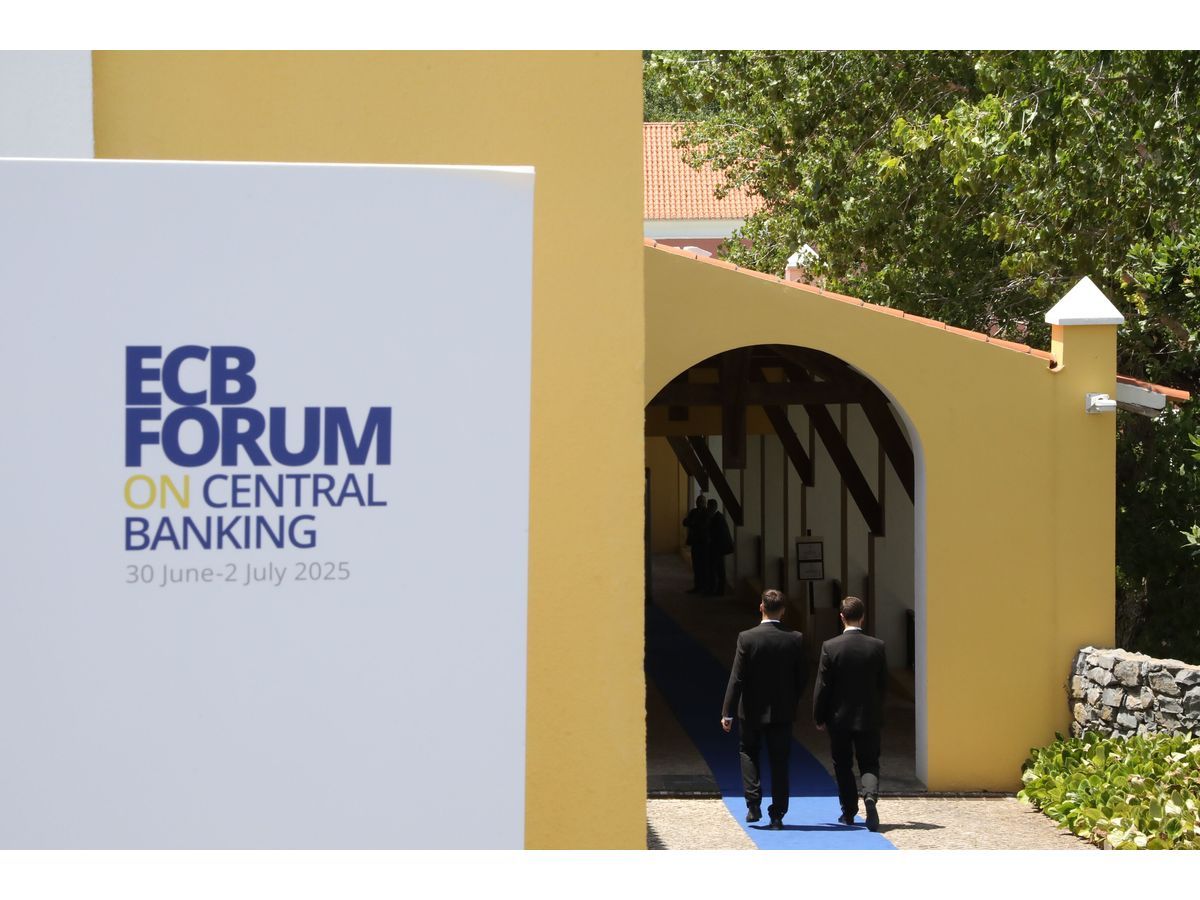
Kevin Warsh, newly installed as the Chairman of the Federal Reserve System just last month, is making his significant debut on the global stage this week, sharing a panel with three other architects of the 2008 financial crisis: ECB President Christine Lagarde, Bank of England Governor Andrew Bailey, and Bank of Canada Governor Tiff Macklem. This high-profile gathering comes as central bankers worldwide grapple with an unsettling echo of past turmoil, fueled by persistent inflation, escalating geopolitical tensions, and fresh vulnerabilities in the financial system. These veteran policymakers, who navigated the Great Recession's unprecedented challenges, are now confronting a complex mix of new and old dangers. Global inflation, running above the Fed 2 percent target for over five years, is exacerbated by ongoing conflict in the Middle East, which drives up energy and commodity prices and strains supply chains. Concerns are mounting over elevated sovereign debt, the explosive growth of opaque private credit markets, and the potential for non-bank financial intermediation to spark systemic risks. Even the rapid advancement of Artificial Intelligence (AI) presents a double-edged sword, promising productivity gains but also introducing new financial stability risks that are keeping central bankers awake at night. As the new Fed Chair, Warsh has already signaled a significant shift in the central bank's approach, advocating for less 'forward guidance' to prevent market over-reliance and emphasizing a renewed focus on price stability. His initial FOMC meeting saw him refrain from contributing to the 'dot plot,' indicating a move towards more data-driven, rather than expectation-managed, policy. This week's discussions among the 'Class of 2008' will likely focus on how to recalibrate monetary policy frameworks to address these multifaceted threats, leaving markets to keenly watch for any coordinated signals or divergences in their strategies to avert renewed global financial instability.