Weather Today: Severe Heatwave Grinds Delhi, UP And Punjab; Yellow Alert Issued For Uttarakhand | Check Updates
Context mode is active. Hover over any highlighted term to see its definition. Click a nested term to go deeper.
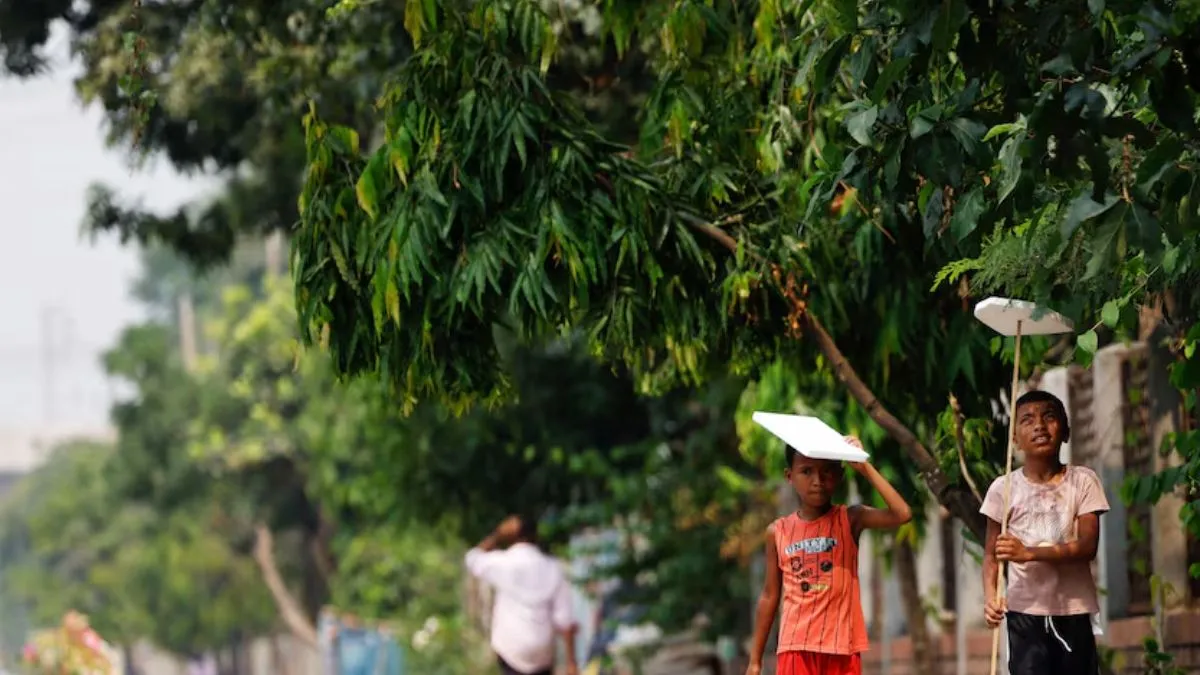
North India is currently grappling with an exceptionally severe heatwave, pushing thermal thresholds to critical levels across major states including Delhi, Uttar Pradesh (UP), and Punjab. As reported, cities are experiencing unprecedented ambient temperatures, with Prayagraj topping the list at an intense 46.6 degrees Celsius, closely followed by Varanasi at 45.6 degrees Celsius. Hamirpur and Sultanpur also recorded searing highs of 45.2 degrees Celsius, while Orai hit 45 degrees Celsius, and Agra registered 44.8 degrees Celsius. The India Meteorological Department (IMD) has issued a "Yellow Alert" for Uttarakhand, signifying a continued watch for hazardous conditions, and has warned of the persistence of this extreme weather anomaly for at least the next two days across the affected regions. This prolonged thermal stress is directly attributable to the formation of a persistent heat dome over the subcontinent, trapping hot air and inhibiting convective cooling. This isn't merely a localized weather event; it's an escalating symptom of broader anthropogenic climate change, exacerbating vulnerabilities across India's socioeconomic strata. The sustained high temperatures pose severe public health risks, from heatstroke to exacerbated cardiovascular and respiratory conditions, placing immense strain on healthcare infrastructure. Economically, the heatwave significantly impacts agricultural productivity, with potential for crop damage and reduced labor output due to thermal stress, leading to inflationary pressures on food commodities. Furthermore, the exponential surge in energy demand for cooling systems is pushing regional power grids to their operational limits, risking blackouts. These recurring extreme weather events necessitate an accelerated national strategy for climate resilience, infrastructural upgrades, and adaptive agricultural practices, underscoring the urgency of both mitigation and adaptation in a warming world.