West Asia Turmoil Jolts Indian Markets as Oil Prices Surge and Rupee Slides
Context mode is active. Hover over any highlighted term to see its definition. Click a nested term to go deeper.
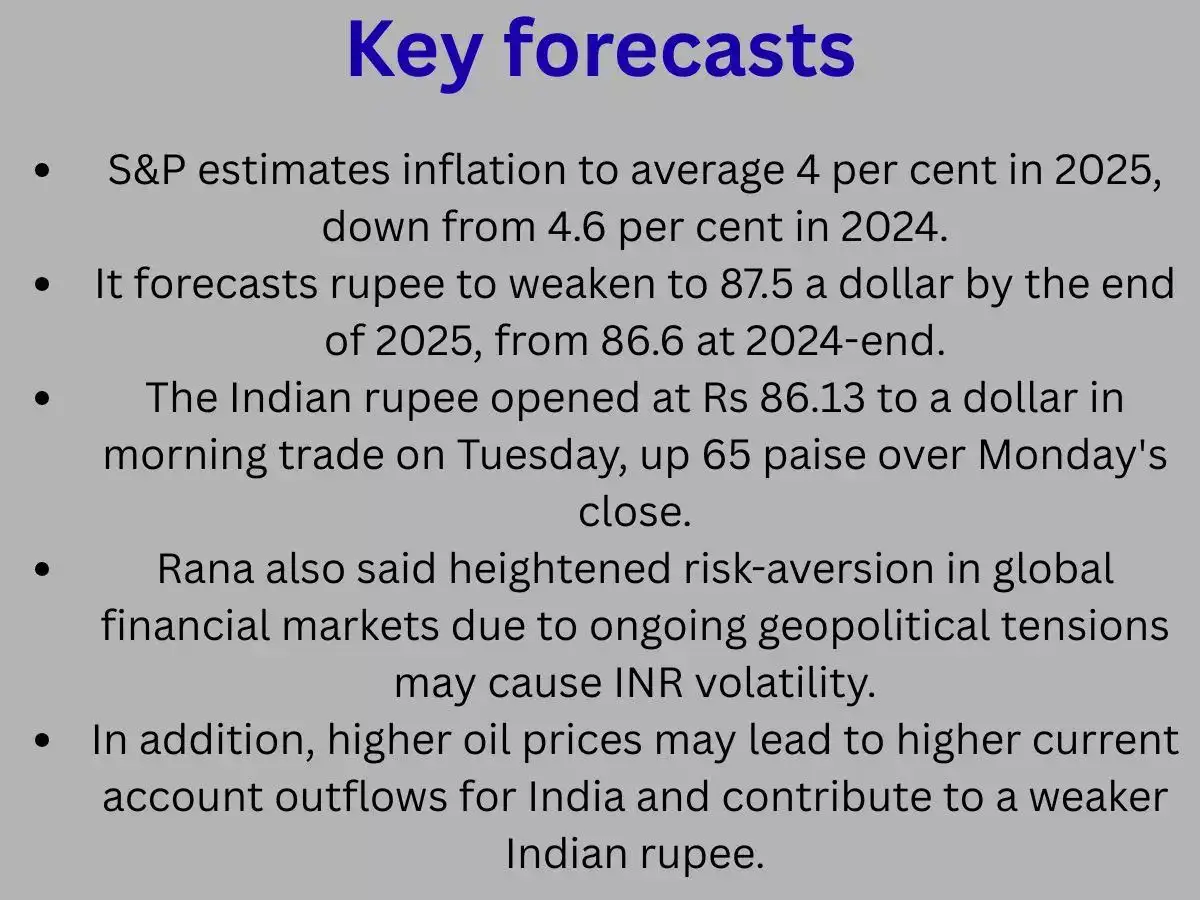
Indian equity benchmarks, Nifty and Sensex, wrapped up a volatile week with mild losses, as escalating tensions in West Asia sent global crude oil prices soaring and cast a shadow over energy-importing economies like India. The Nifty 50 shed 0.26 percent and the BSE Sensex also dipped by 0.26 percent over the past five trading days, despite a significant rally on the final trading day. This downturn comes after US President Donald Trump declared the 'deal with Iran is over,' followed by a fresh wave of US strikes on Iran and retaliatory attacks, notably impacting crucial shipping lanes. At the heart of the market's unease is the renewed conflict between the United States and Iran, which has driven Brent crude prices up by approximately 5% to over $75.50 per barrel and WTI crude to $72 per barrel in just the last 24 hours. The closure of the vital Strait of Hormuz, a chokepoint for 20-30% of global oil and gas shipments, by Iran after a warning shot further fuels fears of supply disruptions and higher energy costs. For India, which imports nearly 91% of its crude and over half of that from West Asia, this translates directly into a higher import bill, pressure on the Indian Rupee (now hovering around 95.60-96.00 against the US dollar), and rising inflation concerns. The immediate outlook suggests continued volatility, with analysts warning that prolonged West Asia conflicts could push oil prices beyond $80-$100 per barrel by early 2027. This would exacerbate India's macroeconomic challenges, potentially widening the current account deficit and slowing GDP growth, as projected by Crisil Intelligence. Investors will be keenly watching for any de-escalation efforts, particularly given Pakistan and Saudi Arabia's calls for restraint, as well as the ongoing Q1 FY27 earnings season for Indian corporates.