West Bengal: Women To Travel For Free In State-Run Buses From June 1; How To Apply For Smart Card And Required Documents
Context mode is active. Hover over any highlighted term to see its definition. Click a nested term to go deeper.
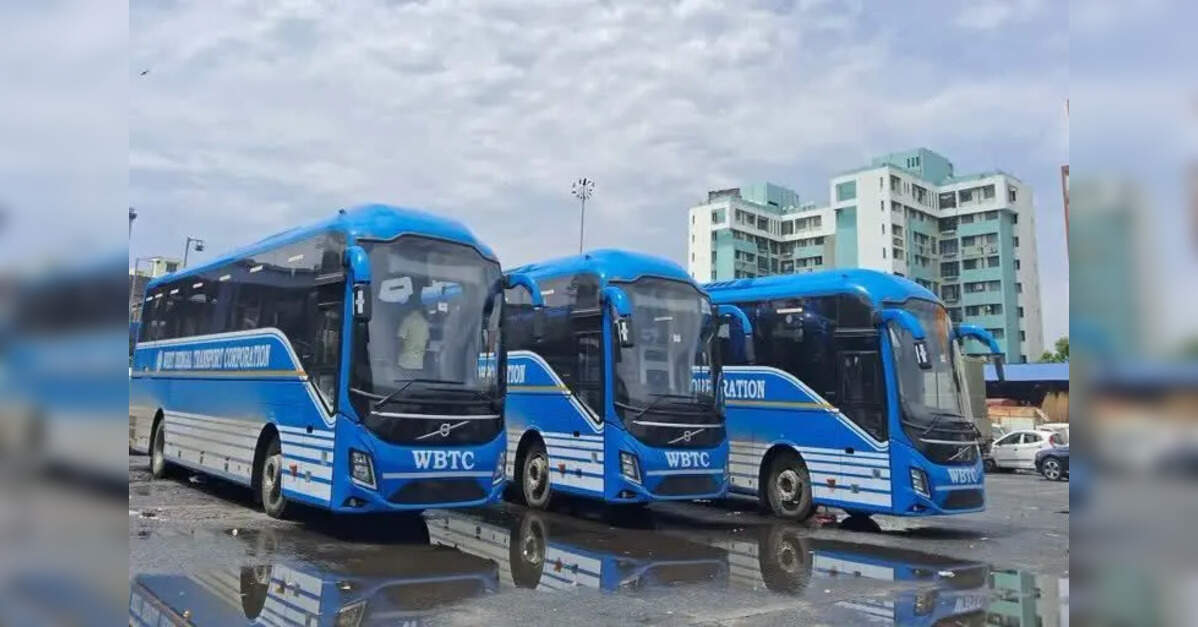
Today, June 1, 2026, West Bengal rolls out free bus travel for all women across its extensive network of state-run buses, a significant policy push poised to reshape urban and rural mobility for millions. The initiative allows women to commute without fare on services operated by the West Bengal Transport Corporation and its affiliates, initially using a digital Smart Card application with a valid photo ID until physical cards are distributed. This ambitious move, long anticipated, immediately positions West Bengal at the forefront of states prioritizing gender-inclusive public infrastructure. This policy marks the latest in Chief Minister Mamata Banerjee series of direct welfare initiatives, echoing schemes like Lakshmir Bhandar and Kanyashree, which have cemented the Trinamool Congress robust support among female voters. While framed as a measure for women empowerment and enhanced public transport access, it also presents a considerable fiscal burden on the state's already subsidized transport undertakings, like WBTC, which historically grapple with revenue deficits. Critics question the sustainability and the potential for a surge in ridership without proportional infrastructure upgrades, even as proponents highlight the multiplier effect on women's economic participation and social independence. The immediate focus shifts to the seamless implementation of the digital Smart Card system and managing the anticipated increase in demand. Observers will closely monitor the financial implications for the state exchequer and the operational efficiency of state-run bus services, especially how new routes or increased frequencies might be funded. Success here could inspire similar universal basic service provisions in other Indian states, while any logistical snags or financial strains could dampen its long-term impact and political dividends for the TMC ahead of future elections.