WH Touts Hormuz Reopening, but Some Key Details May Yet Be in Flux
Context mode is active. Hover over any highlighted term to see its definition. Click a nested term to go deeper.
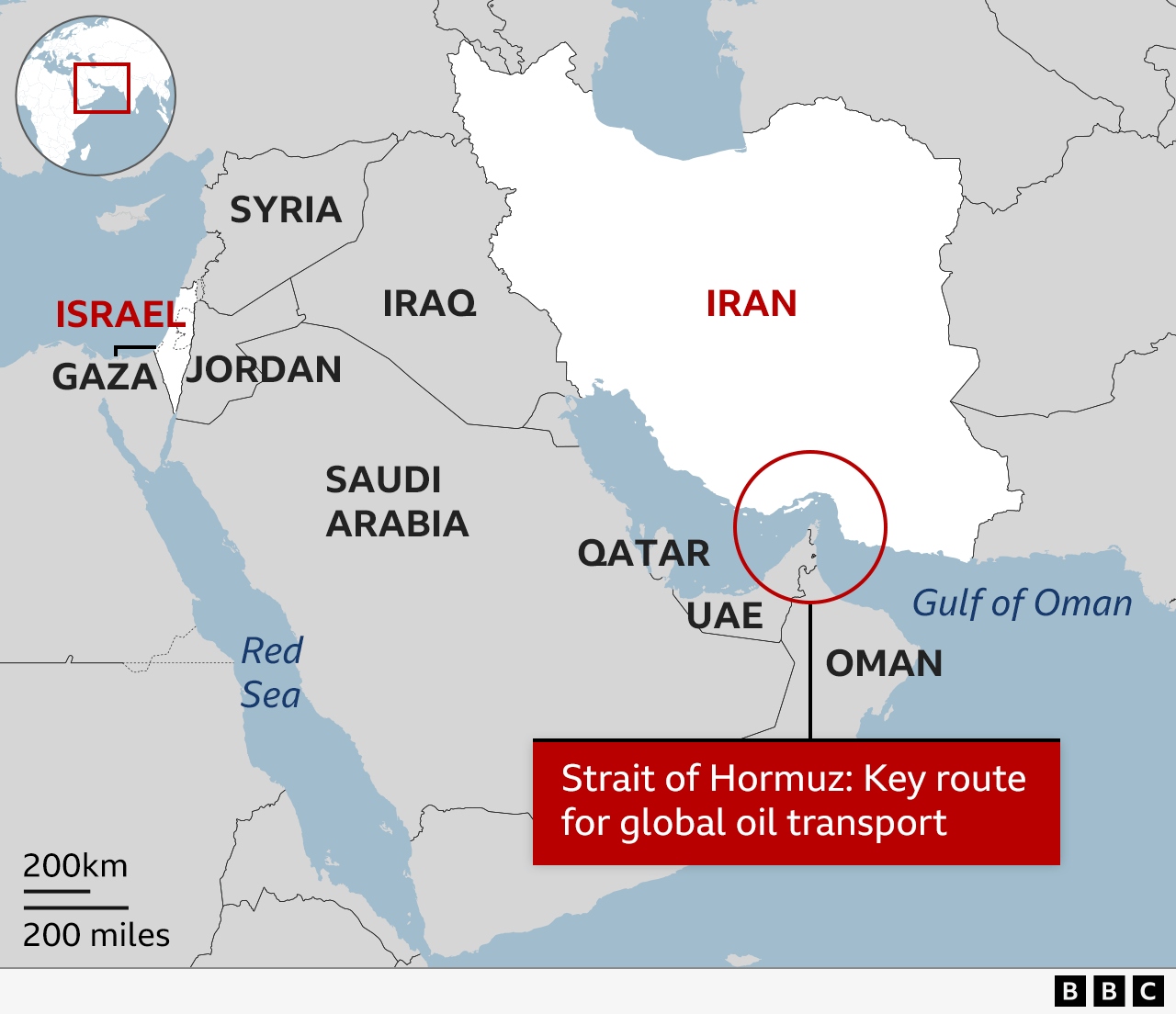
The Trump administration is touting a breakthrough U.S.-Iran agreement to reopen the strategically vital Strait of Hormuz to commercial shipping, a move President Donald Trump declared as 'permanently toll-free' and poised to bring immediate relief to global energy markets. While the initial pact—a memorandum of understanding—was digitally signed on Sunday, June 14, a formal ceremony is slated for Friday in Geneva, marking a potential end to a four-month conflict that had largely halted transits through the critical chokepoint. Oil prices reacted swiftly, tumbling by approximately 5% on the news, yet deep ambiguities over 'no-cost transit' versus Iran insistence on charging 'fees for services' threaten to destabilize the fragile accord even before it takes full effect. The deal emerges from a tense backdrop of a U.S.-Israeli war with Iran, ignited on February 28, 2026, which saw the Strait of Hormuz become a de facto minefield and a flashpoint for international shipping disruption, severely impacting global crude oil and LNG supplies. Adding layers of complexity, the agreement is reportedly contingent on an end to hostilities in Lebanon, where U.S. ally Israel continues its fight against Iranian-backed Hezbollah, a detail that Israel has vocally contested. Further complicating matters, Vice President JD Vance confirmed that core issues like the fate of Iran nuclear program and the extent of sanctions relief have been deliberately punted to a subsequent 60-day negotiation period, highlighting the provisional nature of this initial peace framework. As the June 19 Geneva signing approaches, the immediate focus shifts to de-mining operations in the Strait of Hormuz and establishing clear, unambiguous security protocols for commercial vessels. Shipping executives and global energy buyers remain justifiably cautious, recalling previous false dawns and the persistent risk posed by residual mines, signalling that a return to pre-conflict traffic levels could take months, if not extend into 2027. The ultimate test of this agreement will lie not just in its formal signing, but in whether the United States and Iran can reconcile their fundamentally different interpretations of maritime law and financial obligations in the Strait, paving the way for genuine and sustainable 'toll-free' global commerce.