What happens when environmental change outpaces life’s ability to adapt?
Context mode is active. Hover over any highlighted term to see its definition. Click a nested term to go deeper.
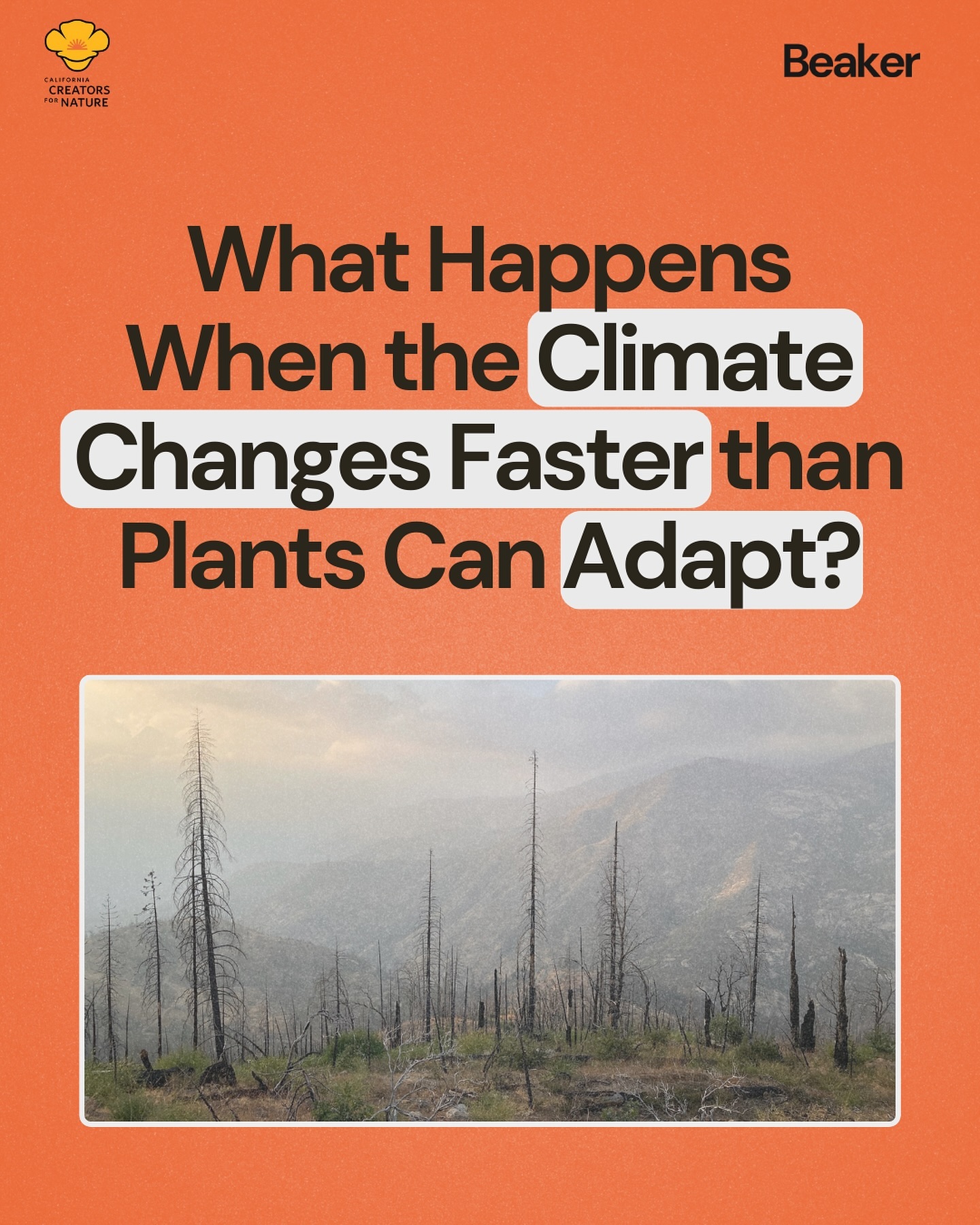
A groundbreaking new model developed by scientists at MIT and the University of Leicester has just dropped a stark warning: mass extinctions hit Earth when environmental change simply outpace life's ability to adapt. Published today in Physical Review Letters, this research isn't just theory; it successfully predicted the severity of most major extinction events in Earth's history, painting a grim picture for our current era where environmental shifts are accelerating at alarming rates. This 'rate-mismatch hypothesis' is particularly unsettling as we navigate the Anthropocene, an epoch defined by human impact, where current extinction rates are already 10 to 100 times higher than previous mass extinctions. Experts warn that our ongoing climate crisis and biodiversity loss aren't just ecological problems, they're now critical geopolitical risks, a sentiment echoed in a January 2026 UK government assessment. The frightening reality is that current carbon dioxide levels are approaching the thresholds linked to past major extinction events, pushing our planet towards irreversible 'ecosystem tipping points' that could see entire biomes collapse. The immediate takeaway is clear: understanding the limits of biological adaptation and the speed of environmental change is crucial for future conservation strategies. New research from the University of St Andrews, leveraging the comprehensive BioTIME database and published on June 23, 2026, reinforces this by linking local species declines to higher global extinction risk, underscoring the need for robust early-warning indicators. This convergence of findings emphasizes an urgent need for swift, transformative action to mitigate environmental change and bolster ecosystem resilience, lest we incur an even greater 'extinction debt' for generations to come.