White House Accuses India of Aiding China's 'Shadow Network' to Evade Billions in US Tariffs
Context mode is active. Hover over any highlighted term to see its definition. Click a nested term to go deeper.
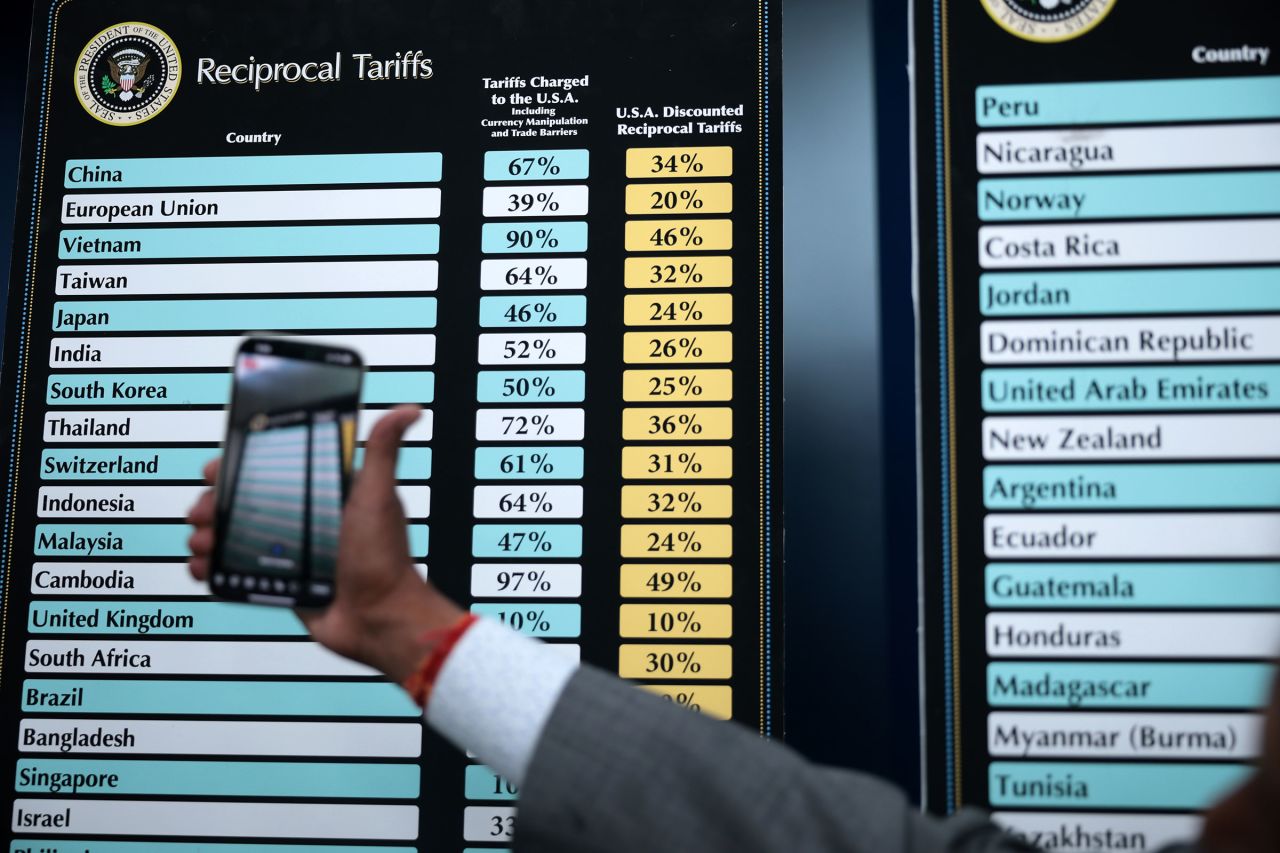
The White House has dropped a bombshell report, 'The Great Transhipment Scam', directly naming India as a major player in a 'shadow transhipment network' that allegedly helps China bypass billions in US tariffs. This accusation claims that Chinese goods, originally slapped with high duties, are being rerouted through countries like India to enter the American market with much lower costs, essentially undermining US trade laws and costing the government substantial revenue. This complex network emerged largely in response to the Trump administration's Section 301 tariffs, first imposed in 2018 to address what the US deemed unfair Chinese trade practices. The report, championed by key Trump adviser Peter Navarro, estimates the value of illegally transshipped goods could be as high as $67 billion in 2025 alone, resulting in an estimated $28 billion in lost US tariff revenue. India has been placed in the highest-risk 'Tier 1' category, with specific Indian regions like the Pune-Gujarat-Chennai belt highlighted as key hubs facilitating this evasion through relabelling, repackaging, or minor assembly. Looking ahead, Washington is gearing up to intensify its crackdown, signaling new measures including the deployment of advanced Artificial Intelligence (AI) tools like 'Detective Border' to identify suspicious shipments and enforce compliance. This development adds a fresh layer of complexity to already strained US-India trade relations, especially given recent US Senate actions on Russian oil imports and existing tariffs over forced labor concerns. Businesses engaged in global trade, particularly those sourcing from or through countries like India, should brace for heightened scrutiny and more stringent enforcement of trade rules.