WHO, Partners Strengthen Ebola Preparedness with Isolation Unit at Bunia Central Prison
Context mode is active. Hover over any highlighted term to see its definition. Click a nested term to go deeper.
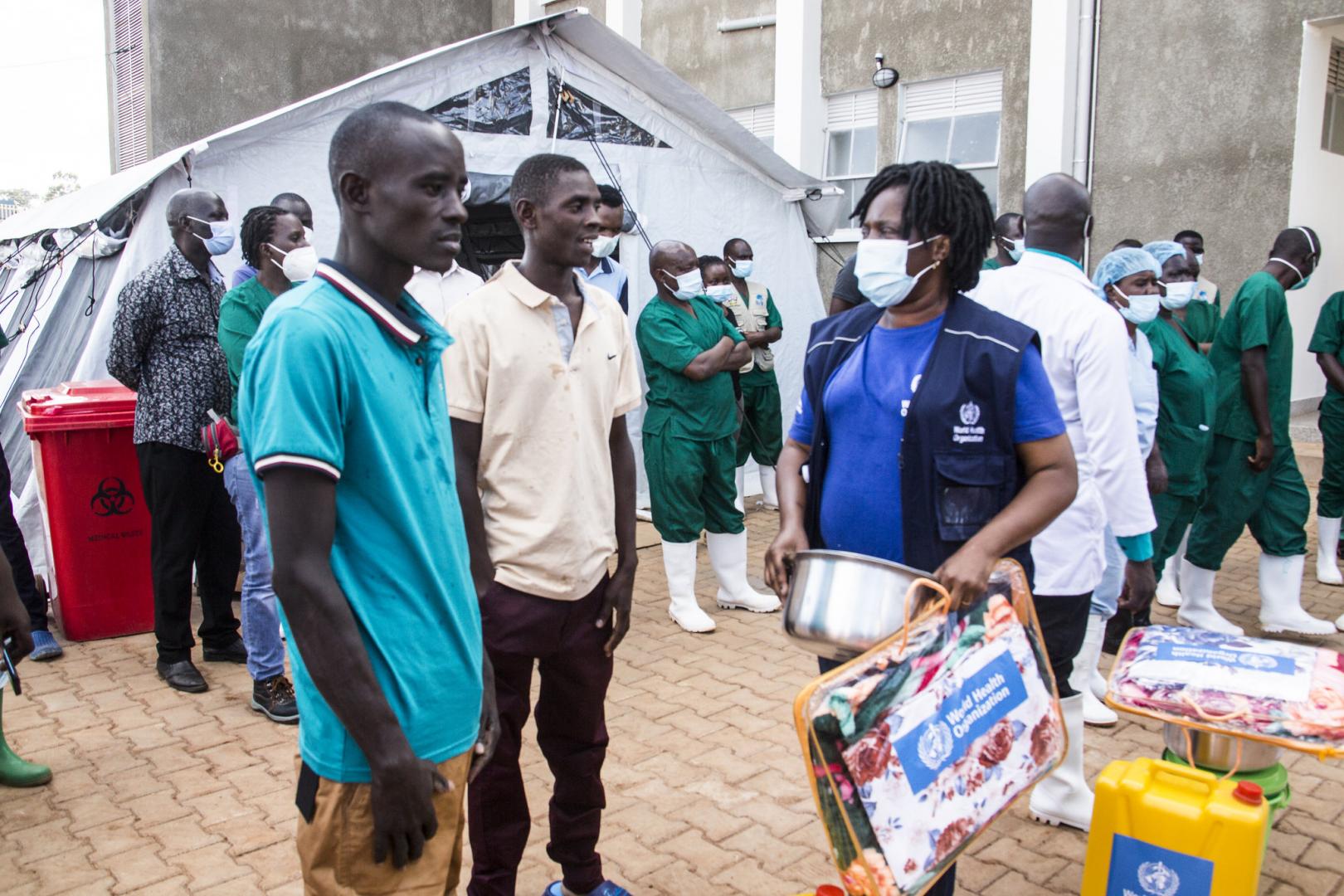
The World Health Organization (WHO) and MONUSCO have rapidly established a critical Ebola isolation unit at Bunia Central Prison in the Democratic Republic of the Congo, a direct response to the escalating Bundibugyo virus disease outbreak. This strategic move aims to protect over 2,000 inmates and the wider community in a notoriously high-risk, overcrowded environment, providing a proactive safeguard against an accelerating disease spread where traditional physical distancing is impossible. Currently, the Bundibugyo strain of Ebola is causing its worst outbreak yet, with over 1,000 confirmed cases and 254 deaths reported in the DRC as of June 22, 2026, predominantly in Ituri, North Kivu, and South Kivu provinces. The situation is further complicated by persistent insecurity and community mistrust in eastern DRC, where armed groups often attack health workers and impede contact tracing efforts. The new four-bed isolation unit is a vital part of broader infection prevention and control strategies, preventing a potential health catastrophe from spiralling out of a vulnerable population and further straining fragile public health infrastructure. With the facility now operational and integrated into the prison's existing healthcare, the immediate focus shifts to rigorous disease surveillance and swift management of any suspected cases. This initiative, which notably involved inmates in its construction, exemplifies a community-involved response in challenging environments. However, the lack of licensed vaccines or specific treatments for the Bundibugyo strain means clinical trials of promising medicines are only just beginning, making robust preparedness and rapid detection absolutely critical to containing future infections and addressing the significant humanitarian crisis ongoing in the region.