WHO-Recommended TB Treatment Regimen Confirmed Effective in South Korean Patients
Context mode is active. Hover over any highlighted term to see its definition. Click a nested term to go deeper.
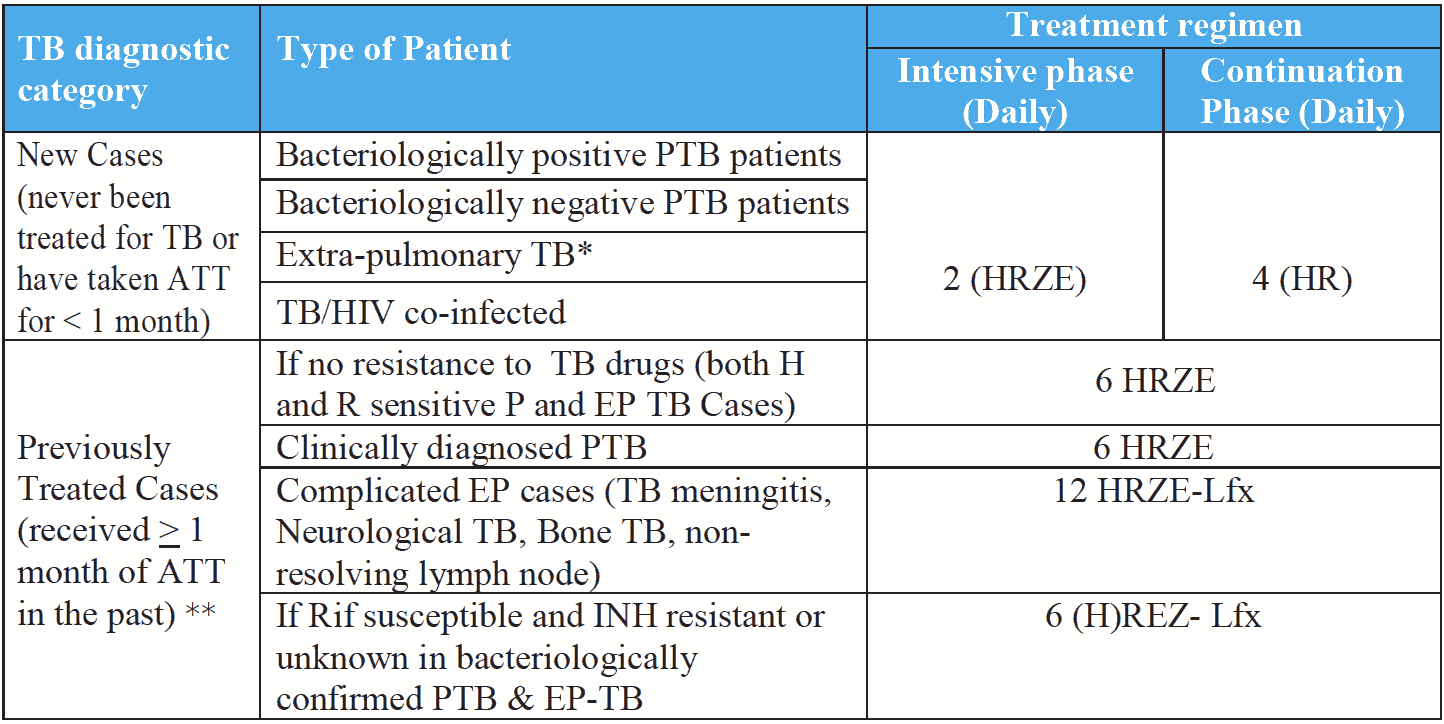
A six-month tuberculosis treatment regimen, long recommended by the World Health Organization (WHO) for patients with isoniazid-resistant pulmonary tuberculosis, has now shown comparable effectiveness and safety to existing alternatives in real-world clinical settings in South Korea. This significant finding, announced on October 28th by a research team from Seoul St. Mary's Hospital, offers crucial prospective evidence that was previously limited, paving the way for wider confidence in this shorter treatment course. Tuberculosis remains a major global health challenge, with South Korea, for instance, reporting 17,070 cases in 2024 and ranking high among OECD countries for incidence despite overall declines. The development of drug resistance, particularly to cornerstone drugs like isoniazid, complicates treatment and necessitates effective alternatives. The WHO recommended regimen combines drugs like rifampicin, ethambutol, pyrazinamide, and a quinolone antibiotic, offering a critical option for patients where standard first-line therapies might not be enough. This validation strengthens the global effort to combat TB, especially as the WHO continues to push for innovative and shorter treatment options, including recently publishing target profiles for long-acting injectable treatments. The results from South Korea will likely inform national tuberculosis control programs and support the United Nations' goal of ensuring 90% of TB patients receive quality diagnosis and treatment by 2027. The next steps involve further large-scale validation studies to ensure broader applicability and continued efforts to overcome the persistent challenges of drug resistance and equitable access to care worldwide.