Why Google wants to release 32 million mosquitoes in California and Florida
Context mode is active. Hover over any highlighted term to see its definition. Click a nested term to go deeper.
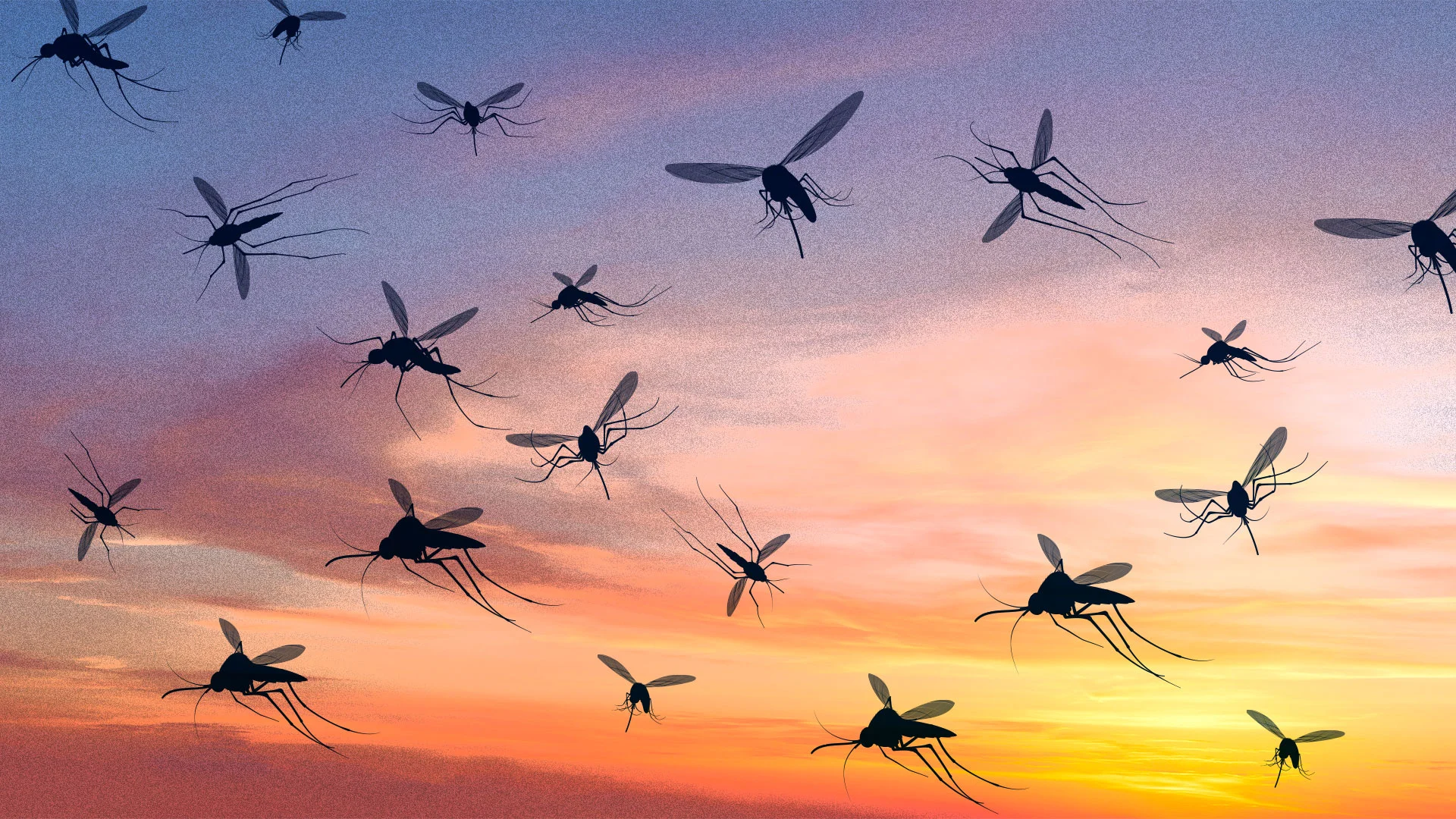
Tech behemoth Google, through its parent company Alphabet, is poised to dramatically escalate its foray into public health, seeking immediate federal approval to release 32 million Wolbachia-infected mosquitoes across California and Florida. This ambitious expansion of its Debug Project, currently under review by the U.S. Environmental Protection Agency, aims to decimate populations of disease-carrying mosquitoes, with a public comment period closing on June 5, 2026. The initiative signals a pivotal shift in Google battle against mosquito-borne illnesses. While earlier Debug efforts in Fresno primarily targeted Aedes aegypti, known for transmitting Zika and dengue, this latest proposal strategically pivots to Culex quinquefasciatus, the primary vector for West Nile virus and St. Louis encephalitis, which are endemic threats in the U.S. The project leverages an advanced Sterile Insect Technique, releasing sterile male mosquitoes that, upon mating, prevent the hatching of new offspring, effectively collapsing wild populations over generations. The EPA impending decision on Google Experimental Use Permit will determine the scale and pace of this biotechnology deployment. Should approval be granted, it would mark a significant regulatory endorsement of large-scale genetic insect control, potentially paving the way for broader applications of this technology in vector management globally. Industry watchers are keen to see if this marks a new frontier for Big Tech beyond digital ecosystems.