Wildfire Smoke Engulfs North American Cities, Raising Health Alarms
Context mode is active. Hover over any highlighted term to see its definition. Click a nested term to go deeper.
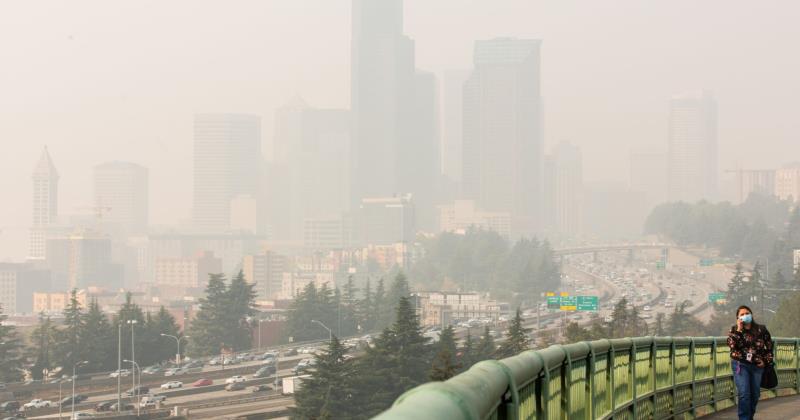
North American skies are once again a hazy, orange mess as raging Canadian wildfires continue to spew massive plumes of smoke across the border, choking major U.S. cities from the Midwest to the East Coast. Millions are waking up to hazardous air quality, prompting urgent health warnings and disrupting daily life as unprecedented fire activity grips several Canadian provinces, particularly Ontario and Quebec. This isn't a new story, but its scale in mid-2026 highlights a worsening trend: Canada's wildfire season has intensified dramatically, fueled by prolonged dry, hot conditions and, as many experts point out, the undeniable effects of climate change. Cities like Chicago, Minneapolis, and New York City are currently experiencing air quality levels ranging from 'Unhealthy' to 'Hazardous,' with fine particulate matter posing serious risks, especially for vulnerable populations, leading to increased respiratory-related hospitalizations. This ongoing atmospheric assault strains public health systems and forces critical conversations about cross-border environmental cooperation. With satellite imagery from NOAA showing vast swathes of North America shrouded in smoke, immediate relief hinges on a shift in weather patterns and significant progress in fire containment efforts, which are currently stretching Canadian resources thin, even with international assistance. Authorities in affected regions are doubling down on public health advisories, urging residents to remain indoors, limit outdoor activities, and wear masks. As the fire season progresses, the world will be watching to see if this summer becomes another grim benchmark for climate-driven environmental disasters.