Women's Quota Bill: Immediate Implementation or 2034 Delay? India's Political Battle Rages
Context mode is active. Hover over any highlighted term to see its definition. Click a nested term to go deeper.
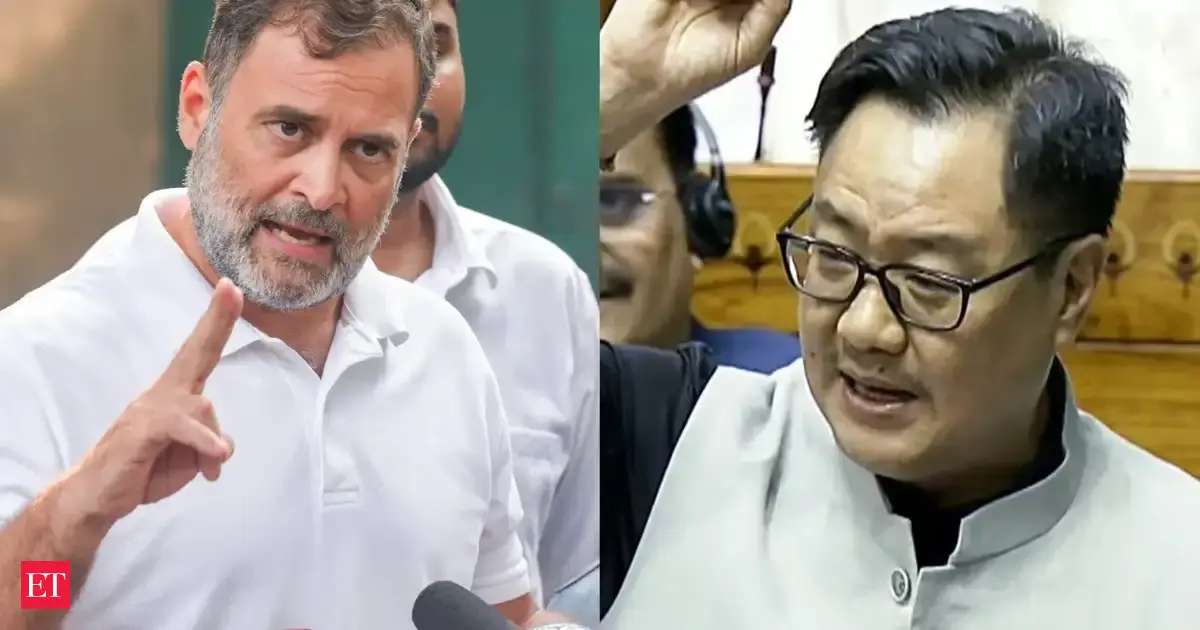
A heated political fight has erupted between Union Minister Kiren Rijiju and Opposition leader Rahul Gandhi over the Women's Reservation Bill, with Gandhi demanding immediate action and Rijiju insisting on linking its implementation to a post-2026 census delimitation. The public spat, which played out on X over the weekend, highlights a deep divide on when and how this landmark law, passed in 2023, should finally empower women in India's legislatures. At the heart of the deadlock is the Nari Shakti Vandan Adhiniyam, 2023, which reserves 33% of seats for women in the Lok Sabha and State Assemblies, but constitutionally ties its actual rollout to a new census and subsequent redrawing of electoral boundaries. The government's attempt in April 2026 to fast-track this by introducing the Constitution (131st Amendment) Bill, 2026, which would have allowed delimitation based on the 2011 census and increased Lok Sabha seats, surprisingly failed in the Lok Sabha. This defeat has left the original condition in place, meaning the reservation might not be effective before the 2034 General Elections, a decade away. With Rahul Gandhi pushing for the 2023 law to be implemented 'without any conditions' and Rijiju defending the constitutional requirement for delimitation, the debate is unlikely to cool down soon. Senior Congress leader P. Chidambaram has also joined in, calling the linkage a 'hidden agenda'. As the 2026 census process is underway and could take years to finalize, the political class faces immense pressure to find a quicker path to women's political representation or explain why a unanimously passed bill remains on hold.