World-First 'Super-Elastic' Springs Transform Baby's Skull, Pioneering New Medical Horizon
Context mode is active. Hover over any highlighted term to see its definition. Click a nested term to go deeper.
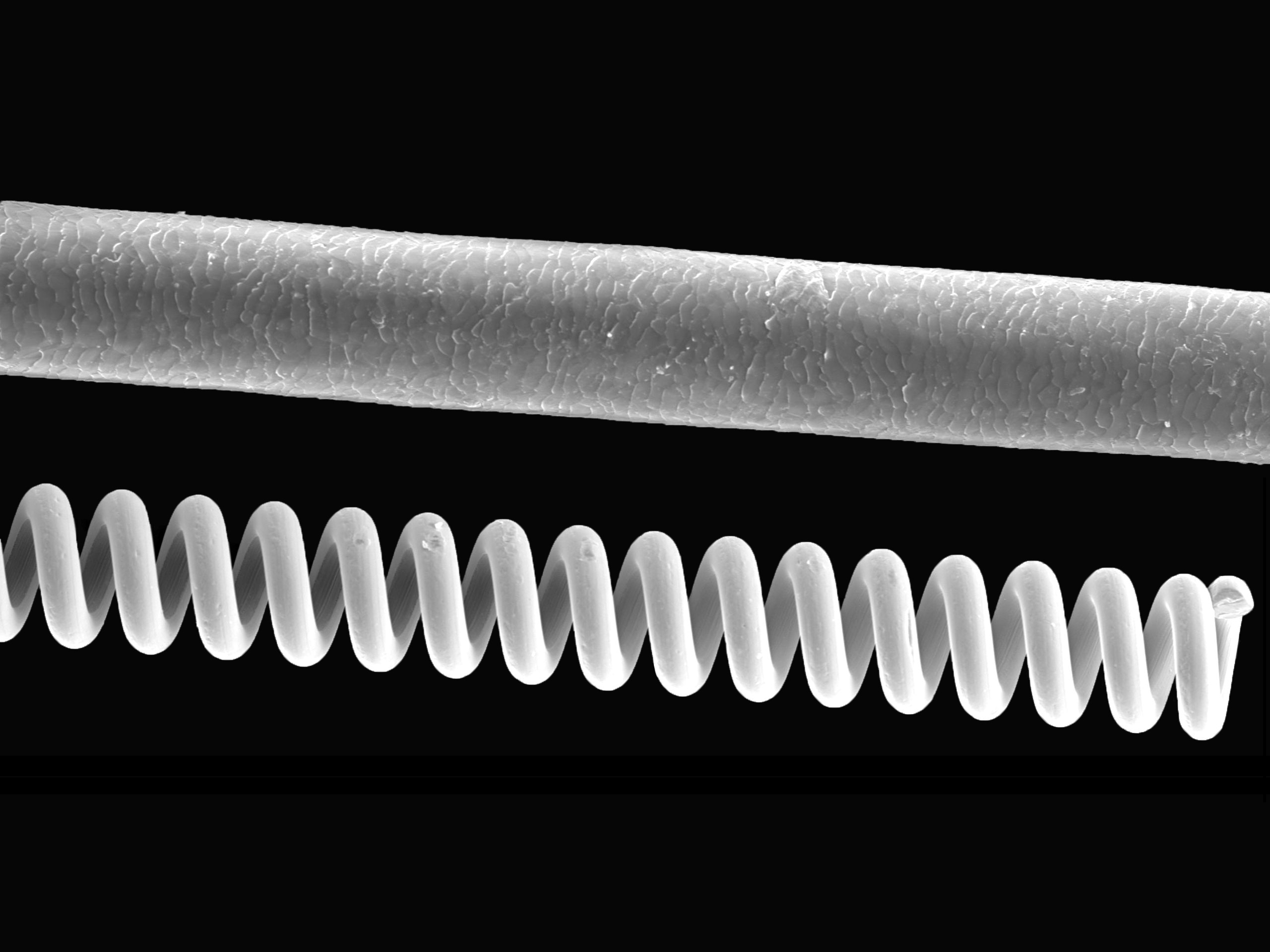
In a groundbreaking medical first, one-year-old Rory Potter from Derbyshire, UK, has received pioneering treatment for severe sagittal craniosynostosis, a rare condition where skull bones prematurely fuse. Doctors at Great Ormond Street Hospital (GOSH), in collaboration with University College London (UCL), used custom-made 'super elastic' nitinol springs to gently reshape his skull, offering a less invasive and remarkably effective alternative to traditional surgeries. Rory, now a thriving toddler, is doing exceptionally well, marking a significant leap in pediatric craniofacial care. This innovative procedure represents a major evolution from earlier treatments, which often involved more invasive skull reshaping surgery or less adaptable stainless steel springs. Sagittal craniosynostosis, affecting roughly one in 1,800 to 2,000 babies, can lead to serious developmental issues if left untreated, making this new, gentler approach a game-changer. The new nitinol springs, developed by a team led by Professor Owase Jeelani and Professor Silvia Schievano, adapt more naturally to a child's growth, potentially reducing the need for further operations and minimizing complications like blood transfusions. The success of Rory's surgery, where the springs were inserted and then removed nine weeks later after achieving the desired outcome, paves the way for wider application of this 'super elastic' technology. Medical professionals globally will be closely watching for future trials and broader implementation, as this breakthrough holds immense promise for children born with similar craniofacial anomalies. It underscores a growing trend towards personalized, minimally invasive solutions in complex pediatric surgeries, hinting at a future where such conditions can be corrected with less trauma and better long-term outcomes.