World News | US Intel Report Says Iran Now Has Powers to Shut Strait of Hormuz at Will
Context mode is active. Hover over any highlighted term to see its definition. Click a nested term to go deeper.
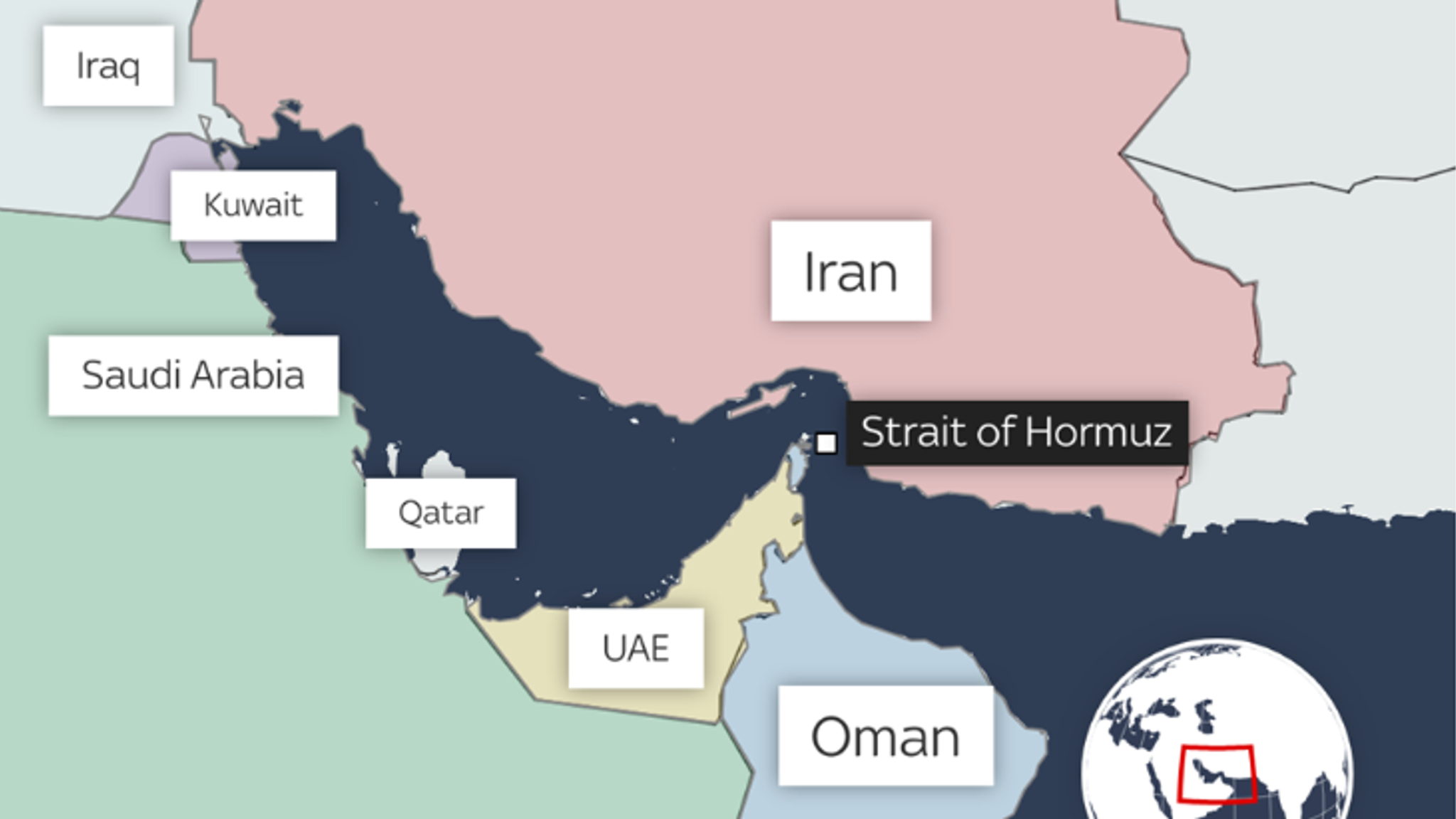
A recent US intelligence assessment delivers a sobering reality: Iran now possesses the definitive capability to shut down the Strait of Hormuz at will, a strategic pivot even as Washington and Tehran prepare to formally ink a framework agreement aimed at reopening the vital waterway this Friday, June 19, 2026. This newfound leverage, demonstrated during the recent 2026 Iran War, positions Iran with a weapon reportedly 'more powerful than any nuke,' fundamentally altering the geopolitical calculus in the Middle East. The intelligence findings underscore the lessons learned by Tehran during the four-month conflict, which began in February 2026 with US-Israeli strikes, leading Iran to block the Strait and trigger an unprecedented global energy crisis that saw Brent crude prices surge to $126 per barrel. Despite the impending agreement to extend a ceasefire and lift the US naval blockade, intelligence analysts warn that Iran enhanced maritime capabilities—including advanced drones, naval mines, and fast attack boats—allow it to disrupt shipping at will, irrespective of diplomatic accords. The deal, electronically signed by US President Donald Trump and Iran Parliament Speaker Mohammad Bagher Qalibaf, aims to normalize maritime traffic and initiate talks on Iran nuclear ambitions, but the underlying power dynamic has visibly shifted. As the framework agreement nears its formal signing, the international community faces a precarious peace. While the reopening of the Strait of Hormuz is expected to ease global oil markets, analysts caution that a full return to pre-war oil export levels could take months, with prices likely to remain elevated due to depleted stockpiles and ongoing security premiums. Compounding the risk, US intelligence also highlights Iran potential to leverage the Houthi movement to threaten the Bab-el-Mandeb Strait, creating a dual chokepoint threat to global trade. This evolving landscape forces Gulf states to invest in alternative energy routes and stronger self-defense capabilities, navigating a region where US protection is now perceived as less reliable, and Iran strategic influence is undeniably on the rise.