Xi's Diplomatic Blitz: SCO Summit, Key Visits to Kyrgyzstan, Egypt Set to Redraw Alliances
Context mode is active. Hover over any highlighted term to see its definition. Click a nested term to go deeper.
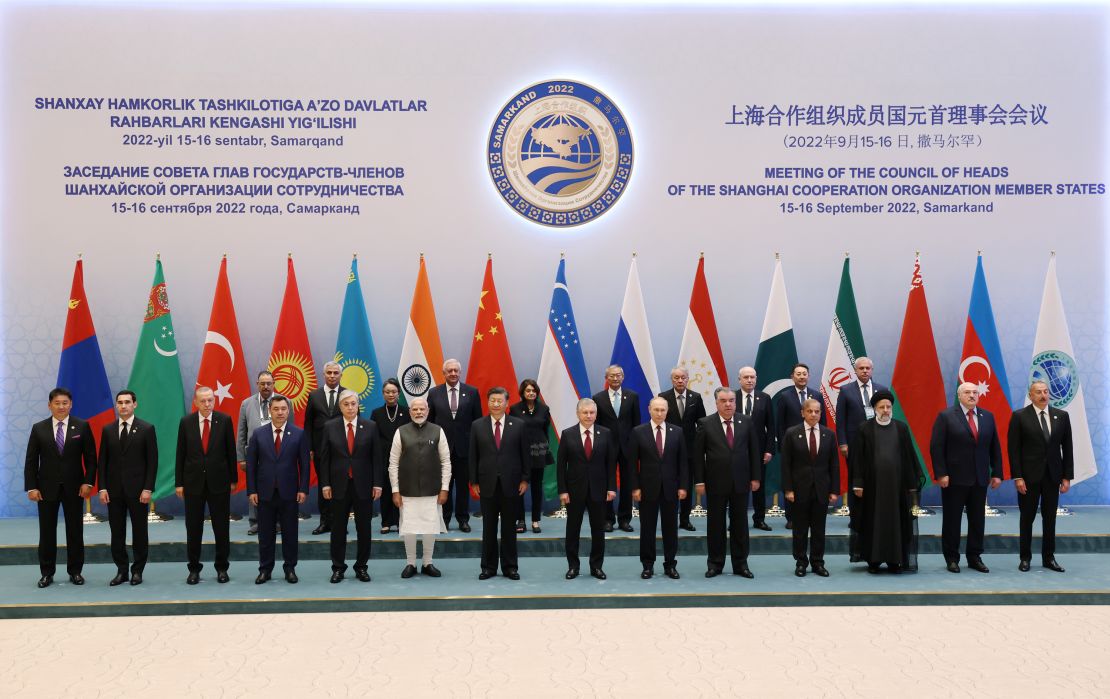
Chinese President Xi Jinping is embarking on a high-stakes diplomatic trip from August 30 to September 3, attending the Shanghai Cooperation Organization (SCO) summit in Kyrgyzstan and making state visits to both Kyrgyzstan and Egypt. This five-day blitz highlights China's growing influence across Central Asia and Africa, aiming to deepen economic ties, strengthen security cooperation, and push for a 'Global South' agenda amid evolving international dynamics. The timing is crucial, with the SCO celebrating its 25th anniversary in Bishkek, where leaders will discuss everything from counter-terrorism to a potential SCO Development Bank and new transport corridors, including the much-anticipated China-Kyrgyzstan-Uzbekistan railway. Meanwhile, Xi's visit to Egypt, his first in a decade, marks 70 years of diplomatic relations and comes as Beijing and Cairo are deepening military and tech cooperation, seen recently in the 'Eagles of Civilization 2026' air drills. China's tech giant Huawei is also pushing to supply advanced AI chips for Egypt government data centers, a move that has caught Washington's eye, further highlighting the ongoing tech competition in strategic regions. These visits are set against a backdrop of a Middle East conflict that has disrupted global oil flows, making China's diplomatic outreach to key energy and trade partners even more critical. Observers will be watching for concrete agreements on infrastructure projects, trade expansion, and security pacts. For Kyrgyzstan, strengthening cooperation on the China-Kyrgyzstan-Uzbekistan railway is a top priority, hoping to boost its role in regional trade. In Egypt, discussions will likely focus on Chinese investments in electric vehicles, renewable energy, and industrial production within the Suez Canal Economic Zone, aiming to balance the current trade imbalance. These engagements will likely shape regional power dynamics, China's 'Belt and Road' ambitions, and the push for a more multipolar world order.