Yemen Plunges Deeper into Conflict as UN Envoy Scrambles to Halt Escalation
Context mode is active. Hover over any highlighted term to see its definition. Click a nested term to go deeper.
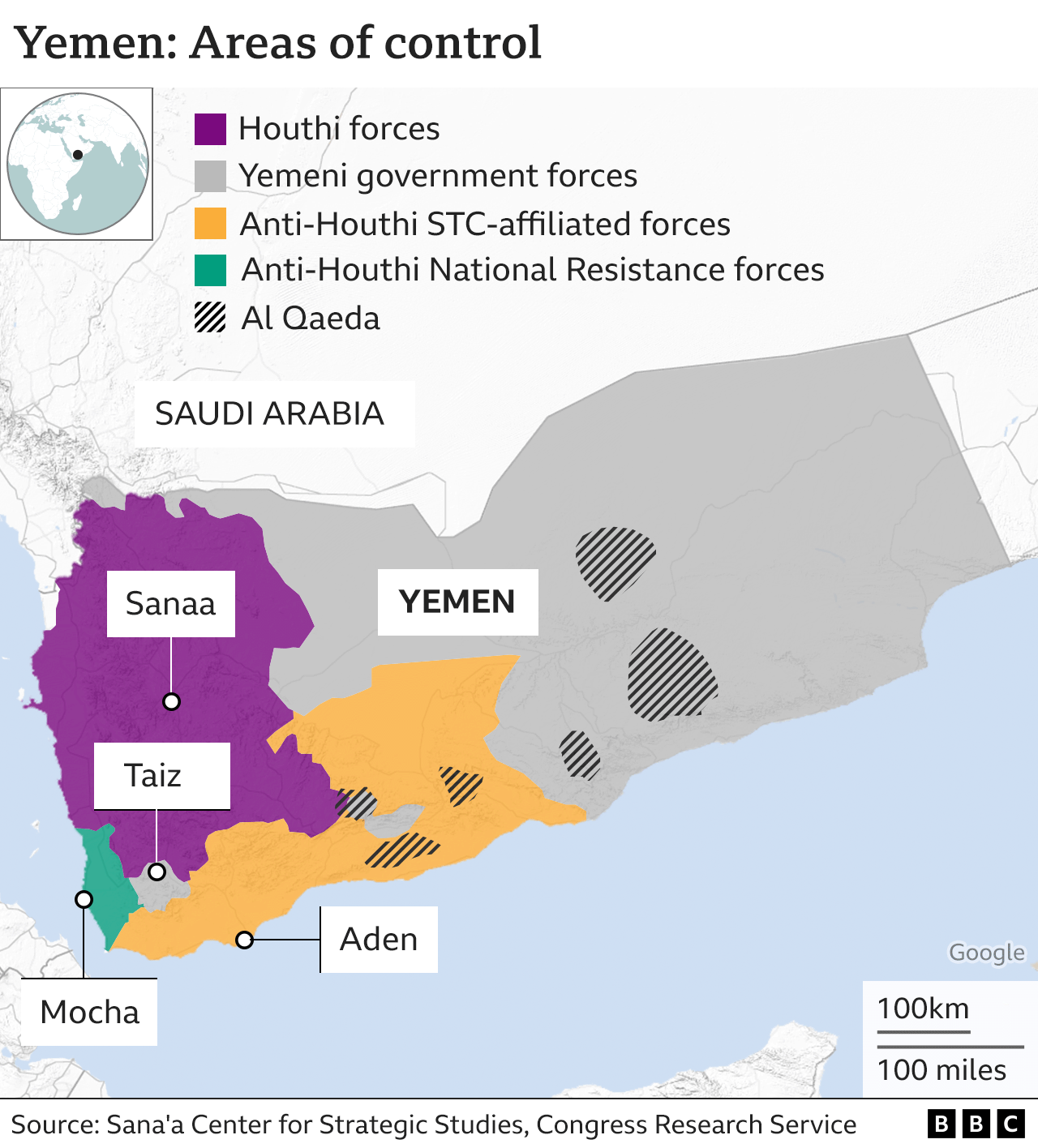
Yemen's long-simmering conflict has exploded into a dramatic new phase this September, pulling the UN's Special Envoy, Hans Grundberg, into urgent talks with Houthi negotiators in Oman and the internationally recognized government in Saudi Arabia to avert an even wider catastrophe. The intense fighting, particularly along the Red Sea coast, has seen Iran-backed Houthi forces seize strategic territory and islands, marking the deadliest escalation since a 2022 ceasefire collapsed. This rapid deterioration directly threatens the vital Bab el-Mandeb Strait, a critical choke point for global trade. The renewed violence is deeply intertwined with the broader '2026 Iran war' and the Houthis' aggressive push to control Yemen's energy resources, which they accuse Saudi Arabia of 'depriving' them of. Their recent advances have not only led to fierce battles with the Saudi-supported Presidential Leadership Council (PLC) but also seen an unprecedented surge in Houthi drone and missile attacks targeting Saudi Arabian cities, oil facilities, and even its capital, Riyadh. This precarious situation has forced Saudi Arabia to seek enhanced defensive support from international allies. As UN Envoy Grundberg navigates these treacherous diplomatic waters, the humanitarian fallout is staggering, with over 145,000 people newly displaced since June and casualty figures spiraling upwards. The international community is watching closely, particularly with concerns over the Bab el-Mandeb Strait impact on global shipping and oil prices, especially given ongoing disruptions at the Strait of Hormuz. The coming weeks will test whether diplomacy can rein in the escalating conflict or if Yemen is doomed to a prolonged and even more devastating war.