Zelensky should learn from Netanyahu's mistakes
Context mode is active. Hover over any highlighted term to see its definition. Click a nested term to go deeper.
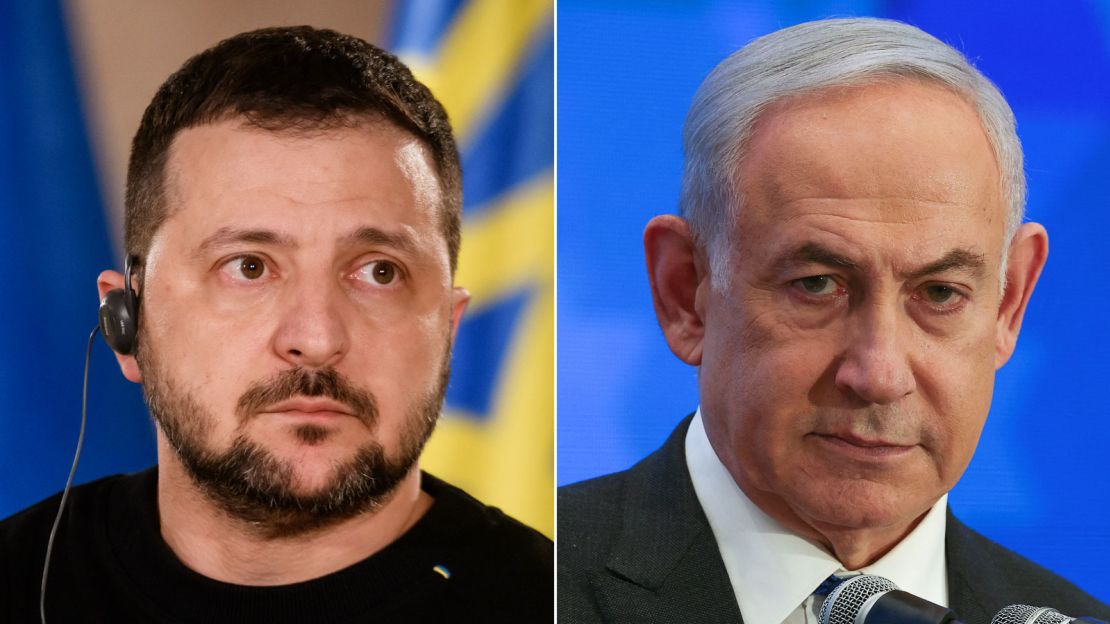
Ukrainian President Volodymyr Zelensky is currently at a critical crossroads, grappling with the challenge of translating battlefield successes into a lasting peace, a dilemma eerily similar to the historical missteps made by Israeli Prime Minister Benjamin Netanyahu. Just yesterday, Kyiv launched one of its heaviest drone assaults on Russia and occupied Crimea as part of a '40-day influence operation' aimed at forcing Moscow to end the war, highlighting Ukraine's active strategy to dictate terms, even as genuine peace talks remain elusive. Netanyahu's long tenure has been marked by a consistent failure to secure enduring peace, often criticized for prioritizing short-term security gains or political expediency over a comprehensive resolution to the Israel-Hamas conflict and the broader Israeli-Palestinian issue. His actions, such as actively undermining the Two-state solution and expanding settlements despite international pressure, left a legacy of protracted conflict and distrust, as seen in the breakdown of past initiatives like the Oslo Accords. Zelensky, who has put forward ambitious plans like his 10-point Ukraine Peace Formula and a subsequent 'Victory Plan', now faces the daunting task of navigating complex diplomatic terrain where Russia's maximalist demands for territorial concessions clash with Ukraine's insistence on sovereignty and territorial integrity. As the ongoing '40-day influence operation' unfolds, the world watches whether Zelensky can avoid Netanyahu's historical pitfall of 'winning the war' only to 'lose the peace.' While Ukraine has expressed readiness for talks, Russia, through Foreign Minister Sergey Lavrov, continues to reject a frontline freeze as a basis for negotiations, insisting on Ukraine's withdrawal from the Donbas region. The challenge for Kyiv lies in leveraging its current military pressure to force meaningful concessions, rather than letting diplomatic intransigence perpetuate a cycle of conflict, potentially risking future stability even if immediate military objectives are met.