Zelensky's Dual Mission: Anti-Ballistic Plea to Trump Amid Graham's Washington Farewell
Context mode is active. Hover over any highlighted term to see its definition. Click a nested term to go deeper.
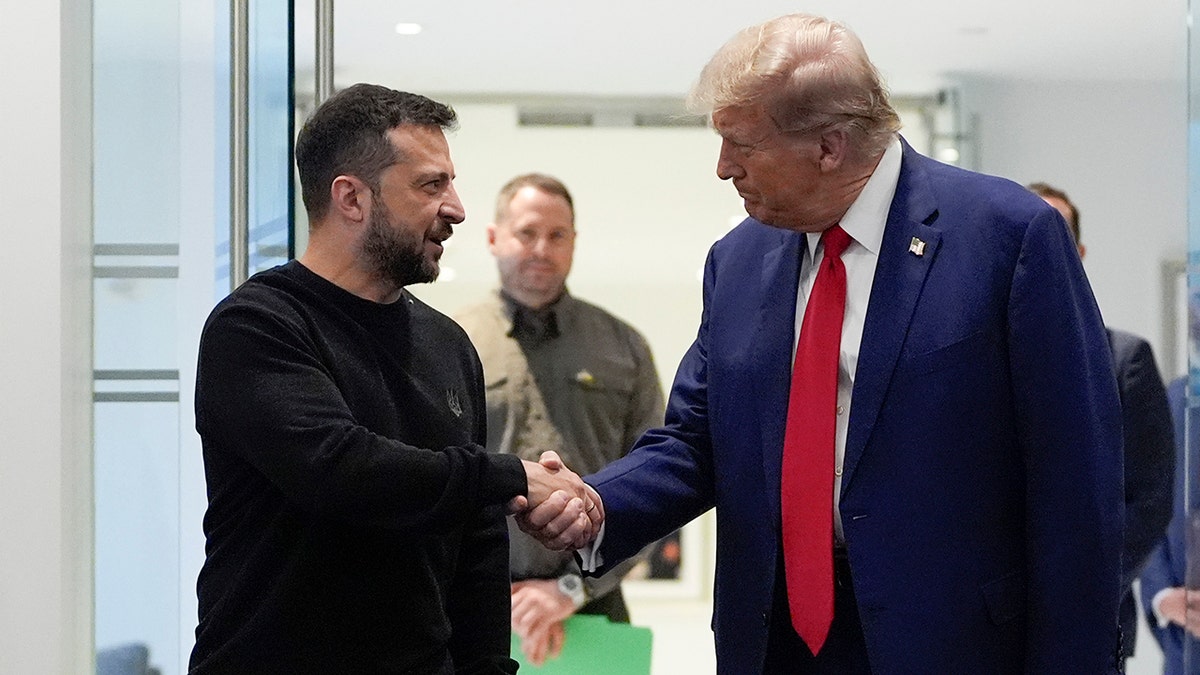
Ukrainian President Volodymyr Zelensky landed in Washington, D.C. for a high-stakes visit, aiming to bolster his nation's air defenses in a critical meeting with President Donald Trump. His urgent plea for anti-ballistic defense systems comes as Russia escalates its missile attacks on Ukraine. The visit also carries a somber note, with Zelensky attending the funeral of Senator Lindsey Graham, a staunch advocate for Ukraine, whose passing has sent ripples through Washington's foreign policy circles. Zelensky's declared 'number-one priority' is securing advanced anti-ballistic capabilities and deepening strategic cooperation with America, especially as Russian missile and drone strikes intensify. While President Trump recently signaled a more supportive stance, even proposing licenses for Ukraine to produce Patriot interceptor missiles, congressional concerns loom over the Trump administration's plan to disburse a critical $400 million aid package over several years, stretching until early 2029. Ukraine, meanwhile, is also pushing its own European-backed Freyja anti-ballistic system, aiming for a prototype by mid-2027 to offer a cost-effective alternative to existing Western systems. The vacuum left by Senator Graham, a key proponent of robust sanctions against Russia, adds another layer of uncertainty to future US legislative support for Kyiv. With all 100 US senators invited to meet Zelensky, discussions beyond the Trump-Zelensky meeting are expected to delve into the proposed 'bone-crushing sanctions' against Russia that Graham championed and the broader diplomatic efforts to end the ongoing conflict. The pace of US military aid and the progress of Ukraine's indigenous and European defense projects, like Freyja, will remain under intense scrutiny. As Ukraine battles to defend its skies, the outcomes of these Washington talks will significantly shape its defensive capabilities and geopolitical trajectory in the coming months.