Zimbabwe's Farmers Cultivate Hope: Indigenous Seeds Fight Climate Chaos
Context mode is active. Hover over any highlighted term to see its definition. Click a nested term to go deeper.
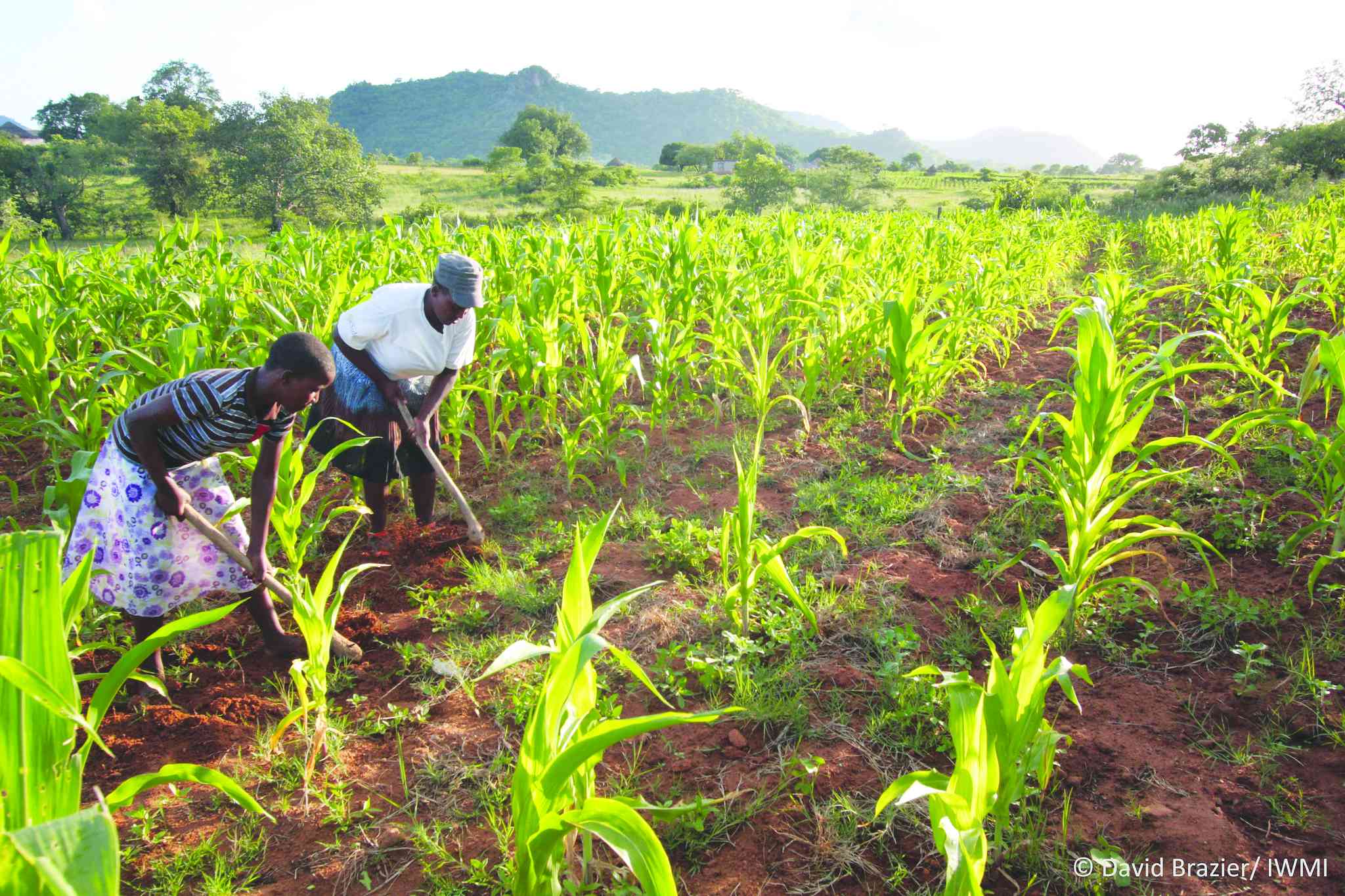
Farmers in Zimbabwe's Chipinge district are leading a quiet revolution, bringing back drought-resistant indigenous crops through community seed banks. This FAO-backed initiative is not just about seeds; it's a critical lifeline for nearly 1,000 farmers like Angeline Garwe, who saw her harvests devastated by erratic rains and intense droughts in 2024, an El Niño year that forced Zimbabwe to declare a national disaster. By preserving and multiplying traditional varieties such as sorghum, millet, and cowpeas, these communities are securing their food future against worsening climate shocks. The urgency for this shift is stark. For decades, Zimbabwean agriculture, heavily reliant on rain-fed maize, has been vulnerable to unpredictable weather, declining soil fertility, and the loss of local crop diversity as hybrid varieties dominated. The 2024 El Niño-induced drought highlighted maize's fragility, pushing millions into food insecurity. In response, the Zimbabwean government, through programs like Pfumvudza, is now actively promoting the cultivation of these traditional grains, recognizing their superior resilience and nutritional value. Development partners, including FAO and the Global Environment Facility, established the Dumisai community seed bank in Chipinge in 2024, explicitly rooting it in indigenous knowledge systems to ensure local adaptation and sustainability. The success in Chipinge, where farmers reported sufficient harvests even with erratic rains, is sparking broader interest. Regional learning events in Mudzi and Zaka districts in March 2025 saw farmers and experts from across Southern Africa gather to study Zimbabwe's community seed bank model, aiming to replicate these successes. As Zimbabwe's Country Programming Framework for 2022-2026 prioritizes climate resilience and sustainable agri-food systems, the continued expansion of these community-led initiatives will be crucial in building a robust safety net against future climate challenges and achieving long-term food security.