Zipalertinib Plus Chemotherapy Shows Six-Month Survival Benefit in Rare Lung Cancer
Context mode is active. Hover over any highlighted term to see its definition. Click a nested term to go deeper.
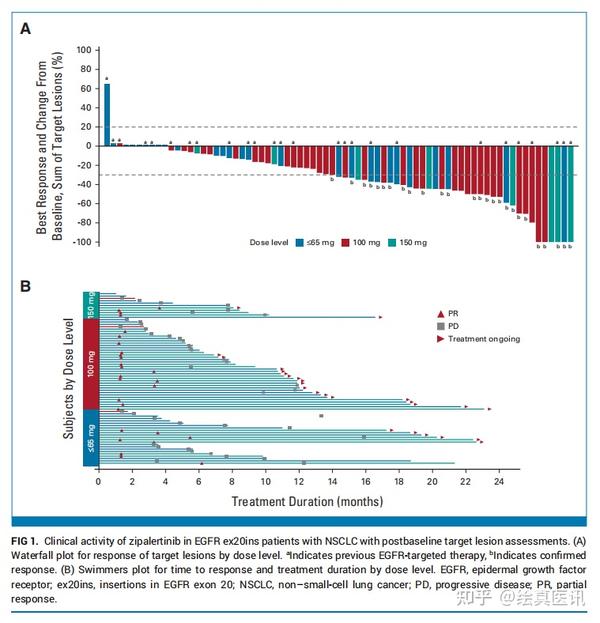
A new combination therapy involving the drug Zipalertinib and chemotherapy has shown a significant six-month improvement in progression-free survival for patients fighting a rare and aggressive type of lung cancer. Results from the REZILIENT3 Phase 3 Trial, presented at the World Conference on Lung Cancer (WCLC) 2026, mark a major step forward for those with first-line EGFR Exon 20 Insertion Mutation Non-Small Cell Lung Cancer (NSCLC). This means patients lived longer without their cancer getting worse. This specific form of lung cancer, caused by unique changes in the Epidermal Growth Factor Receptor (EGFR) gene, has historically been very difficult to treat, often not responding well to standard targeted therapies. The current first-line standard treatment, Amivantamab plus chemotherapy, only recently gained full regulatory approval. Zipalertinib, an oral targeted therapy developed by Taiho Oncology, Taiho Pharmaceutical, and Cullinan Therapeutics, specifically attacks these challenging mutations. The trial also showed a higher objective response rate and a favorable trend in overall survival, though more follow-up is still happening. With these promising Phase 3 results, the drug's developers are expected to push quickly for global regulatory approvals, potentially making this a new, vital option for patients. Zipalertinib is already under review by the FDA as a single drug for patients whose cancer has progressed after other treatments, with a decision expected by early 2027. This latest data could expand its use, offering new hope and reshaping how this tough-to-beat lung cancer is managed from the very beginning.